Why Do Chihuahuas Burrow Under Blankets?
Why do Chihuahuas burrow under blankets? Warmth, the den instinct and comfort explained, plus signs it may point to illness and how to make burrowing safe.

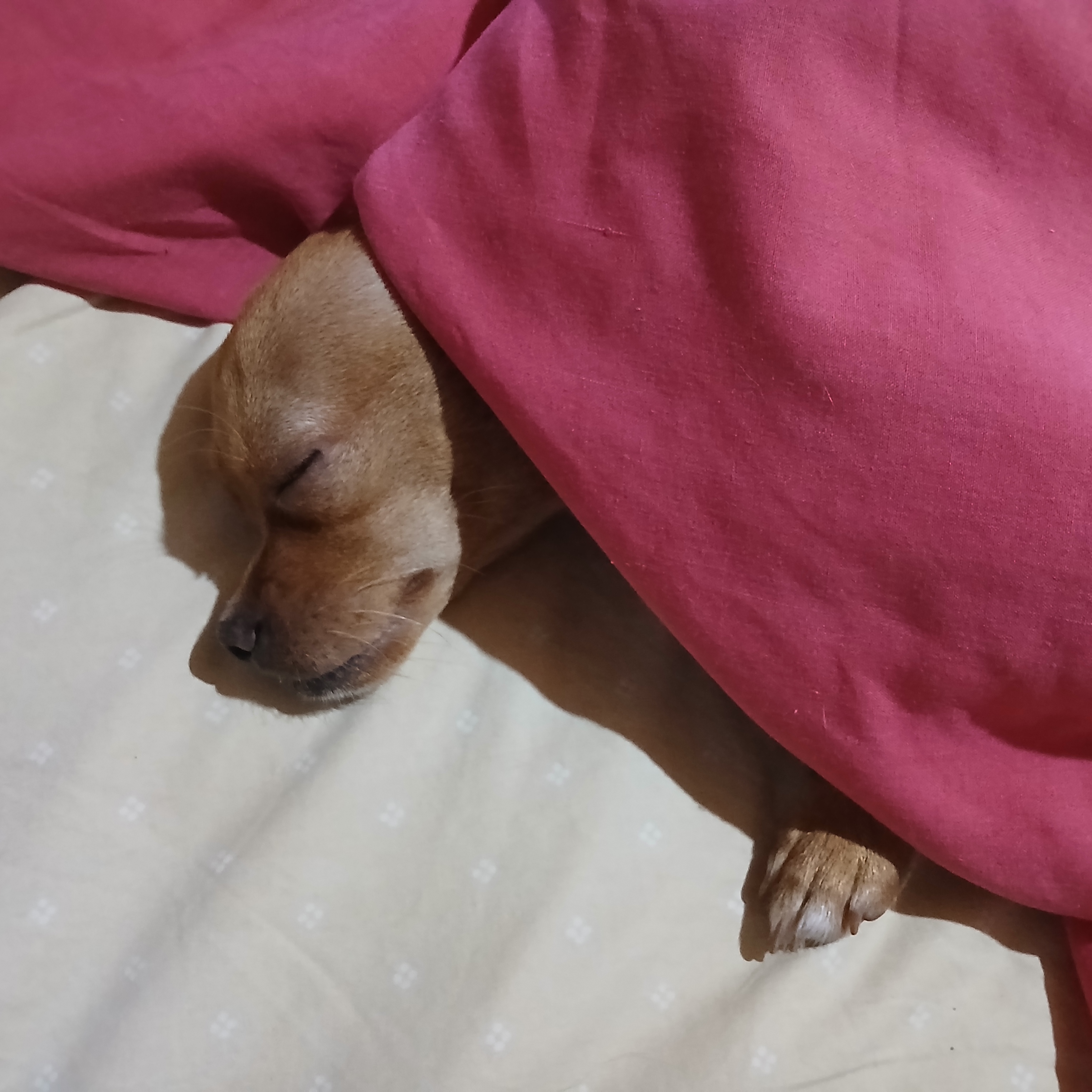
Pull back the comforter in any Chihuahua household and there’s a good chance you’ll find a small, warm lump at the bottom of the bed. Why do Chihuahuas burrow like this? The habit has two main roots, staying warm and feeling safe, and a third that’s worth knowing about: sometimes a dog hides because it doesn’t feel well.
Most of the time, burrowing is simply a Chihuahua being a Chihuahua. Here’s what’s behind it, when it deserves a closer look, and how to give your dog a safe place to tunnel.
The three reasons behind burrowing
| Reason | What it looks like | Is it a concern? |
|---|---|---|
| Staying warm | Burrows more in winter, at night, after a bath, or in cool rooms | No, but watch the room temperature |
| Den instinct and security | Prefers covered beds, corners, under pillows; settles faster when enclosed | No |
| Stress or illness | Hides more than usual, alongside lethargy, shaking, poor appetite or hiding in a warm room | Yes, look for the cause |
Why do Chihuahuas get under the covers to keep warm?
Body size is the main reason. A Chihuahua weighs about 3 to 6 pounds and has very little body fat, so it loses heat faster than a larger dog. Many also have a thin, short coat with little undercoat. A blanket traps the dog’s own heat in a small pocket of air, the same way a sleeping bag works.
You’ll notice the pattern if you look for it. Burrowing tends to peak on cold nights, after baths, when the heating is off, and in the early morning when a house is at its coolest. Shivering and a curled-up, tucked posture often go along with it. Our guide to whether Chihuahuas get cold has a temperature table and the signs of a dog who is genuinely chilled.
The den instinct: a burrow feels safe
The second reason is security. Many dogs choose enclosed spaces to rest, like corners, crates, the space under a desk or a table. A covered spot protects their back, blocks out light and movement, and makes them feel less exposed during the many hours Chihuahuas sleep each day.
For a dog that spends its life as the smallest creature in the room, that sense of cover seems to matter even more. Burrowing next to you adds another layer, the comfort of being close to their person. Plenty of Chihuahuas also dig and circle before they lie down, pawing the blanket into shape. That nest-building is normal and usually ends with a satisfied sigh.
When burrowing is about stress
A Chihuahua that hides under a blanket during a thunderstorm, fireworks or a noisy gathering is using the covers the way a child uses a pillow fort. Giving the dog that retreat is kind, and it’s better than forcing it out to “face” the noise.
It becomes worth working on when the hiding is constant, the dog won’t come out for things it usually enjoys, or it panics when you leave. That pattern can point to fear or separation anxiety, and our guide to Chihuahua separation anxiety explains how to tell the difference and what to do.
When can burrowing be a sign of illness?
This is the part to keep in mind. Dogs often seek out quiet, dark, enclosed spots when they feel unwell or are in pain. A Chihuahua that suddenly spends the whole day under a blanket, especially in a warm room, may be telling you something.
Call your vet if burrowing comes with any of these:
- Lethargy: the dog doesn’t get up for food, walks or your arrival home.
- Feeling cold to the touch, or shivering that doesn’t stop once the dog is warm.
- Loss of appetite, vomiting or diarrhea.
- Hiding and trembling when picked up, or yelping when touched, which can signal pain.
- Weakness, wobbliness or confusion. In puppies, these can be signs of low blood sugar, which is an emergency; see our guide to Chihuahua hypoglycemia.
Shaking on its own has many harmless causes too, from cold to excitement, and we sort them out in why do Chihuahuas shake. The key question is always whether the behavior is new and whether anything else has changed. This article is general information and does not replace a visit to your veterinarian.
How do you make burrowing safe?
You don’t need to stop a Chihuahua from burrowing. You just need to make sure the burrow is a safe one.
- Look before you sit or lie down. A Chihuahua under a comforter is almost invisible, and a person sitting on it can cause serious injuries. Pat the bed or sofa first, every time.
- Prefer a light blanket over a heavy duvet. A small fleece throw the dog can push off easily is a better tunnel than a thick comforter tucked in tight around the mattress.
- Take extra care with puppies, seniors and dogs with breathing problems. Give them a covered bed of their own rather than the bottom of yours.
- Skip human heating pads under blankets. A dog under a cover can overheat and may not move away in time. If you want extra warmth, use a self-warming pet mat or a pet-specific heated pad with a thermostat.
- Mind the jump. If your dog sleeps in your bed, a fall from the edge in the dark is a real risk for small joints. Steps or a ramp help.
- Keep the room comfortable. If your Chihuahua is burrowing all day, the house may simply be too cold for it.
A burrow of their own: bedding that works
The easiest way to keep the habit safe is to give your Chihuahua a place designed for it. Two options work for most dogs:
| Option | Why it works | Watch out for |
|---|---|---|
| Cave or hooded bed | Built-in cover traps warmth; the dog can tuck in without help | Choose a small size; a bed made for a 30-pound dog loses the cozy effect |
| Donut bed plus a small fleece blanket | Raised sides to curl against, a blanket to tunnel under | Wash the blanket often, as it collects hair and skin oils |
Place the bed in a warm, draft-free corner, away from doors and cold windows. Our guide to the best dog bed for Chihuahuas compares cave beds, hooded cuddlers and orthopedic options for seniors, with sizes in inches.
Our take
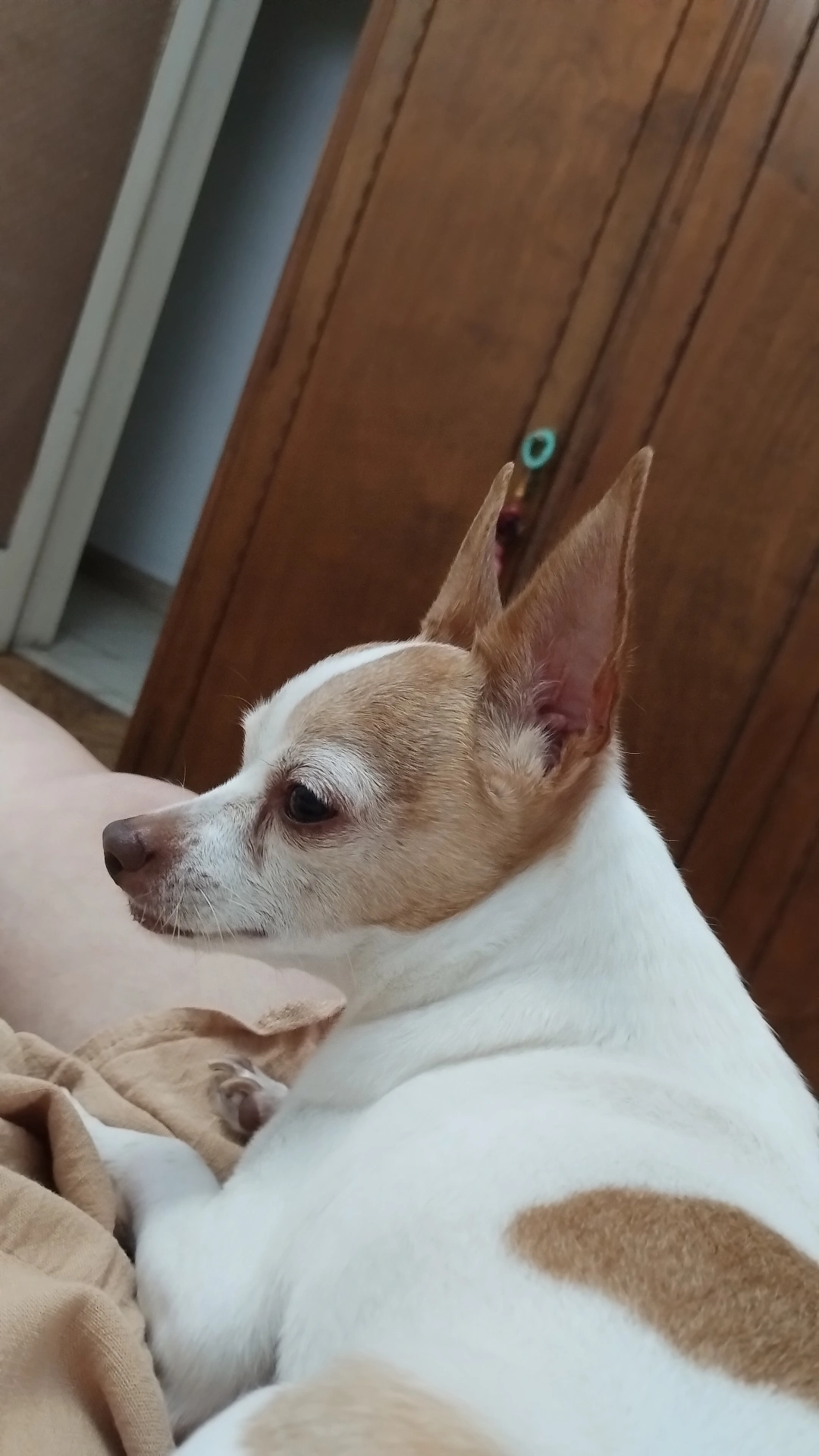
We think of burrowing as one of the breed’s most honest habits. A Chihuahua tells you, very plainly, that it wants to be warm, close and covered. Romeo, at four, is calm and sleeps a lot, and for a sleeper like him, warmth is half the point. Lorenzo, at two, is so alert that any good hideout has to let him pop his head out the moment something happens.
Whatever your dog’s style, give it a safe burrow, keep the house warm enough, and stay curious when the habit suddenly changes. That’s usually all it takes.