Chihuahua Fireworks Anxiety: How to Help on New Year's and July 4th
Chihuahua fireworks anxiety: why the noise scares dogs, signs of fear, a safe room setup, white noise, desensitization ahead of time and when to call your vet.
The first bang usually comes before midnight, from a neighbor who couldn’t wait. By the time the real show starts, many small dogs are shaking under the bed. Chihuahua fireworks anxiety is one of the most common fears owners deal with on New Year’s Eve and the Fourth of July, and the good news is that a lot of it can be softened with a plan made ahead of time.
This article is for general information and does not replace a consultation with your veterinarian. If your dog panics, hurts himself or can’t settle for hours, talk to your vet.
Below: why fireworks frighten dogs so much, how to recognize fear in a Chihuahua, how to set up a safe room, what to do weeks before the date, when medication is worth discussing with your vet, and the mistakes to avoid.
What makes fireworks so frightening for a dog?
To us, fireworks are a celebration we’ve been told about. To a dog, they’re explosions with no warning, no visible source and no end in sight. The American Kennel Club points out that it isn’t only the noise: the flashes of light and the smell of smoke are part of it too. The AKC also notes that dogs who struggle with thunderstorms are likely to fear fireworks as well.
For some dogs it goes beyond ordinary fear. The MSD Veterinary Manual describes noise phobia as a sudden and profound response to noise that leads to intense anxiety, panic or attempts to escape confinement. Thunderstorms are the most common trigger, but fireworks and other loud noises are common too.
Chihuahuas aren’t the only dogs affected, but a few things make this breed worth extra attention:
- They’re alert by nature. Many Chihuahuas react strongly to sounds even on a normal day.
- They’re small enough to squeeze through gaps in fences, gates and half-open doors when they panic.
- They already tremble from cold, excitement or nerves, so owners sometimes miss that this particular shaking is fear.
How can you tell your Chihuahua is afraid?
Fear doesn’t always look like hiding. Common signs of fear during fireworks include:
| Sign | What it can look like in a Chihuahua |
|---|---|
| Trembling or shaking | Constant shivering even in a warm room |
| Hiding | Under the bed, behind the couch, deep under blankets |
| Panting and pacing | Can’t settle, walks in circles |
| Clinginess | Glued to your lap, follows you room to room |
| Barking or howling | Reacting to every bang |
| Escape attempts | Scratching at doors, trying to bolt outside |
| Refusing food | Ignores even favorite treats |
| Accidents | Peeing or pooping indoors from fear |
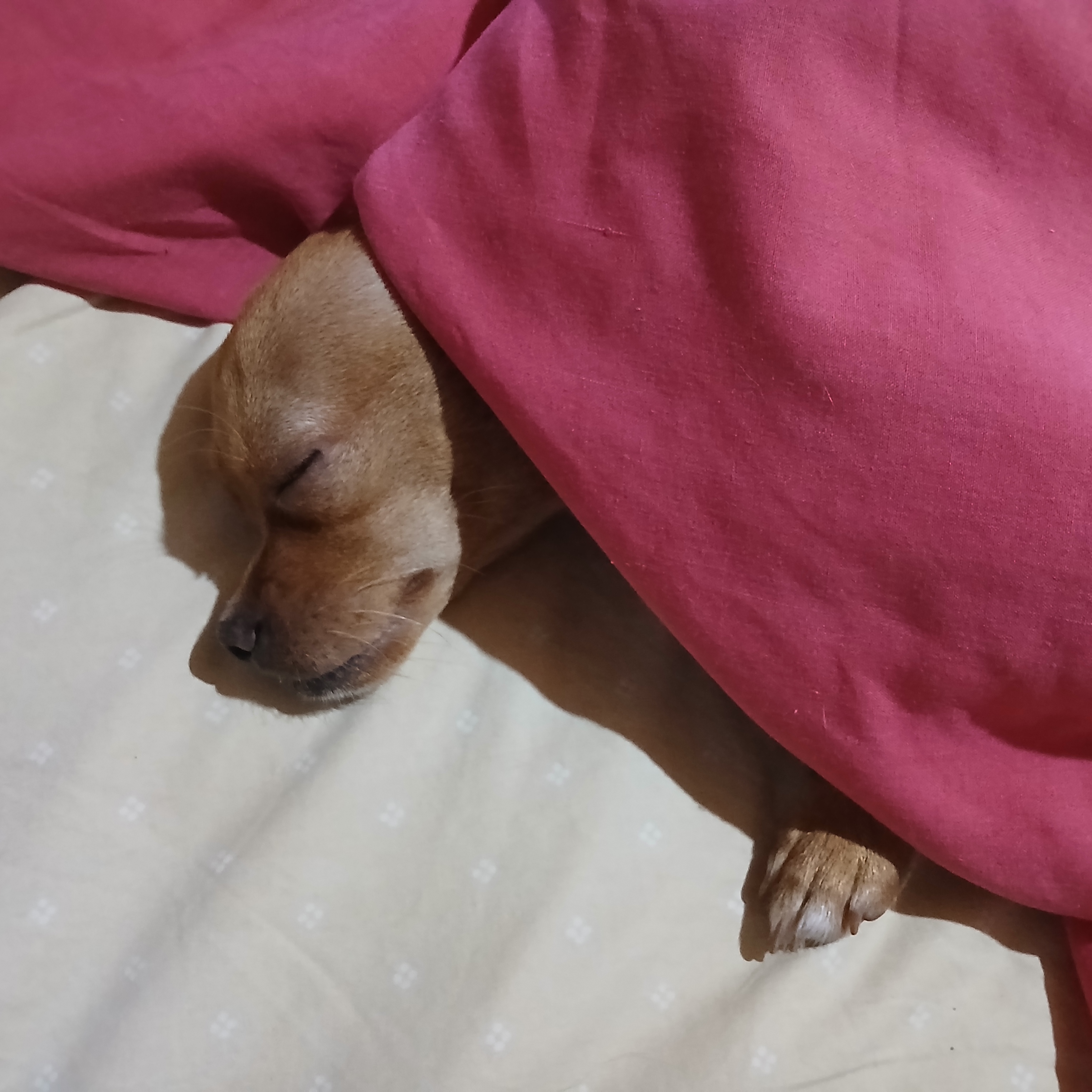
Hiding under blankets isn’t a bad sign in itself. Chihuahuas are natural den-seekers, as we explain in why Chihuahuas burrow, and a cozy hiding spot is often their best coping tool. The worrying signs are the frantic ones: escape attempts, destroying doors, injuring themselves, or a dog who’s still panicked hours after the noise stops.
Setting up a safe room before the first bang
The AKC compares dogs to den animals looking for a cave to get away from it all. Give your Chihuahua that cave on purpose, a few days before the holiday so it already feels familiar.
- Pick an interior room with as few windows as possible: a bathroom, a closet, a laundry room or a bedroom in the middle of the house. The ASPCA’s holiday safety tips also recommend a quiet retreat such as an interior room for New Year’s noise.
- Close the blinds and curtains to block the flashes.
- Add his bed or crate, covered with a blanket on three sides if he likes a den. If he’s crate trained, the crate can be his safest spot, with the door left open.
- Pile in blankets he can burrow into, plus a worn T-shirt that smells like you.
- Leave water, a favorite toy and a long-lasting chew or a stuffed food toy to give him something calming to do.
- Turn on white noise: a fan, a sound machine, the TV or calm music, loud enough to blur the bangs without being unpleasant.
- Stay nearby if you can. Many dogs cope much better with their person in the room.
On the day itself:
- Walk him early, before dusk, so he’s had his exercise and potty break before the noise starts.
- Feed dinner a bit earlier than usual; many anxious dogs won’t eat once the fireworks begin.
- Keep him indoors from late afternoon until the neighborhood goes quiet.
- Close windows and doors, and keep him on a leash for any late potty trip.
Desensitization: the work you do weeks ahead
The most effective long-term approach is the least glamorous: teaching your dog, slowly, that firework sounds predict good things. The MSD Veterinary Manual notes that many fears and phobias can be treated with behavior modification focused on desensitization and counterconditioning.
Here’s the basic idea, following the AKC’s guidance:
- Find recordings of fireworks online.
- Play them very quietly, low enough that your dog notices the sound but shows no signs of stress.
- Pair the sound with something wonderful: a tiny, high-value treat, a game, a meal.
- Raise the volume very gradually over many sessions, only when he stays relaxed at the current level.
- Vary the source and the recordings, playing them from different speakers and rooms.
- Stop and drop the volume if he trembles, freezes or stops taking treats. Going too fast can make the fear worse.
Sessions of a few minutes, several times a week, are better than long marathons. This won’t cure a phobia overnight, which is why the AKC says it’s never too soon to start planning for next year. If New Year’s caught you unprepared, start in January for July 4th.
When should you talk to your vet about medication?
Some Chihuahuas are too frightened for a safe room and white noise to be enough. Talk to your veterinarian if your dog:
- Panics despite your preparation
- Tries to escape or injures himself
- Stays anxious for hours afterward
- Also reacts strongly to thunderstorms or other everyday noises
The AKC recommends booking a vet appointment well in advance of the holiday to discuss anxiety medication, and the MSD Veterinary Manual notes that a vet may prescribe medication as part of treatment alongside behavior work. Your vet can also tell you whether calming supplements, pheromone products or anxiety wraps are worth trying for your dog.
Two firm rules:
- Never give human sedatives, sleep aids or another pet’s medication. Dosing for a 5-pound dog is very different, and some human drugs are dangerous to dogs.
- Do a trial run of any prescribed medication on a quiet day, as your vet directs, so you know how your dog responds before the big night.
Noise fear and other anxieties often overlap. If your Chihuahua also struggles when left alone, our guide to Chihuahua separation anxiety is worth reading alongside this one.
ID tags and microchips: the safety net
A panicked dog can slip through a gap you didn’t know existed. According to the AKC, it’s widely believed that more dogs run away on Independence Day than on any other day of the year.
- Check the ID tag on his collar: current phone number, readable engraving.
- Confirm the microchip registration has your current contact details. A chip is only useful if the registry can reach you.
- Take a recent photo of him, just in case you need to share it.
- Double-check fences, gates and screen doors before the evening.
- Use a harness he can’t back out of for any walk on fireworks nights.
What NOT to do during fireworks
- Don’t take him to a fireworks show or a backyard party, even in your arms.
- Don’t leave him outside or alone in the yard during fireworks, even for a few minutes.
- Don’t punish or scold fearful behavior. Fear isn’t disobedience, and punishment adds stress to an already scared dog.
- Don’t force him out of his hiding spot to “face” the noise.
- Don’t act frantic yourself. The AKC warns that rushed, high-pitched reassurance can signal there’s something to fear. Calm, slow and low works better.
- Don’t wait until the night itself to try a new medication or supplement.
And yes, you can comfort him. The AKC is clear that comforting a frightened dog doesn’t reinforce the fear; the key is staying calm while you do it.
Getting through the night together
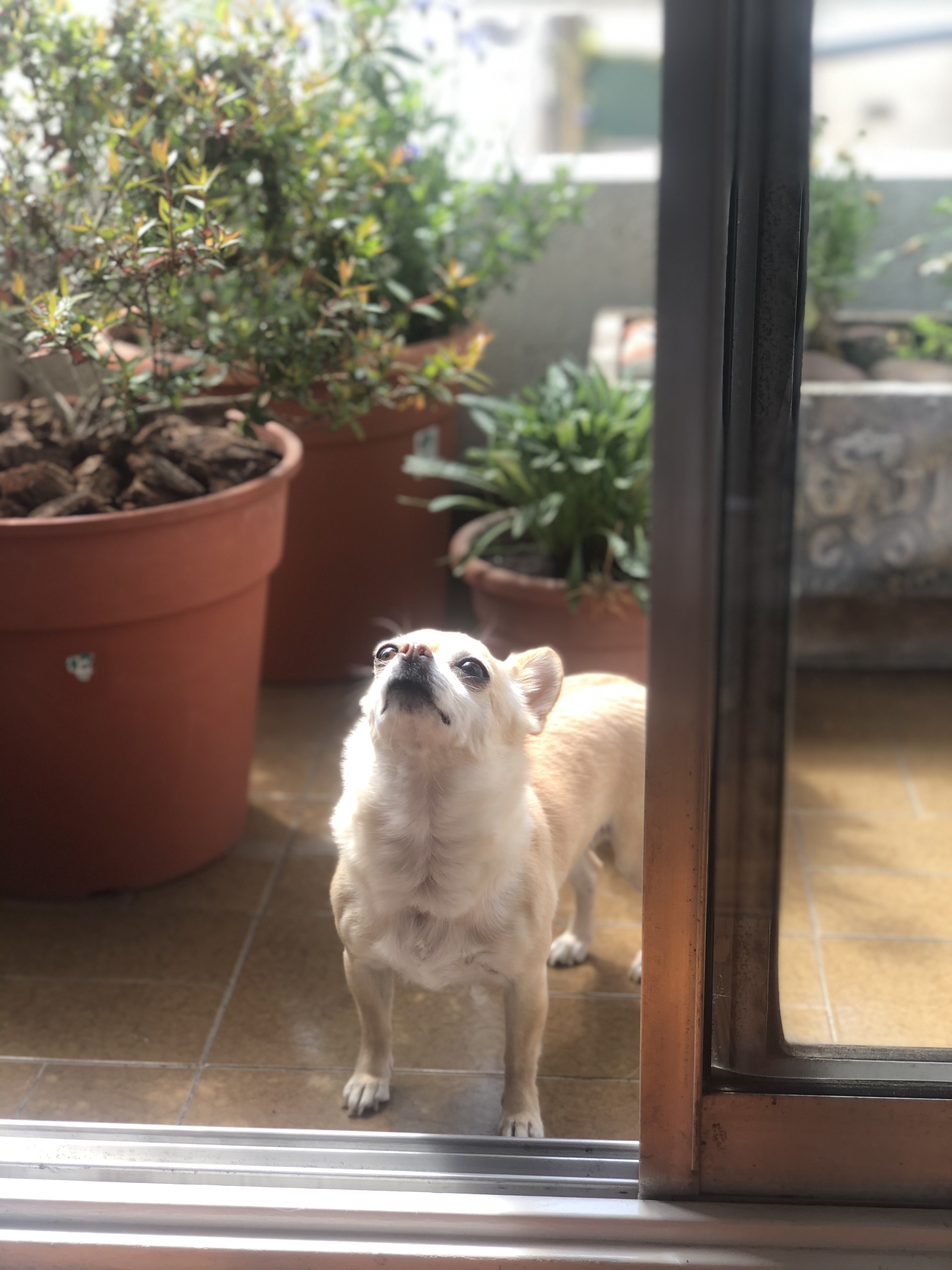
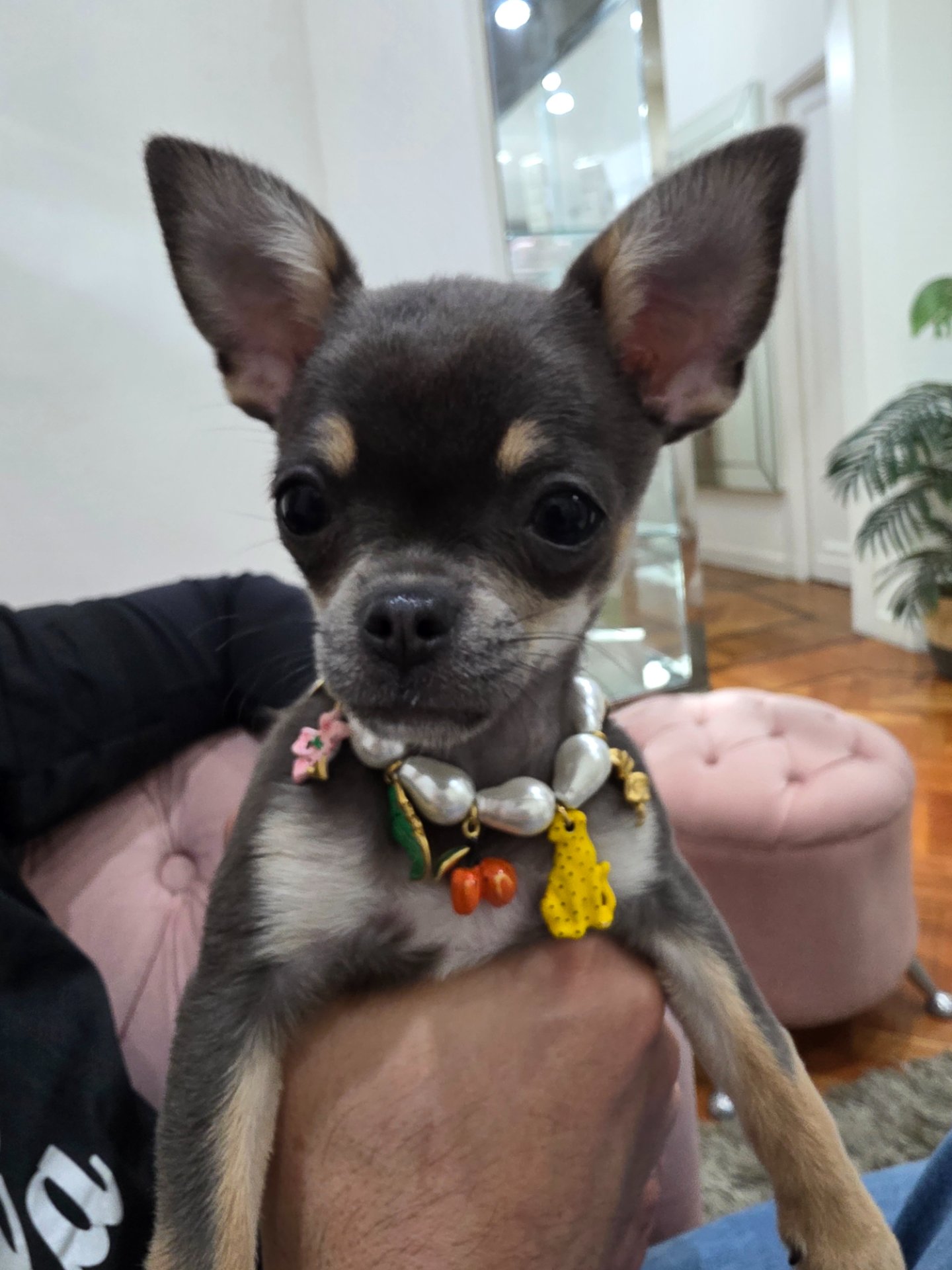
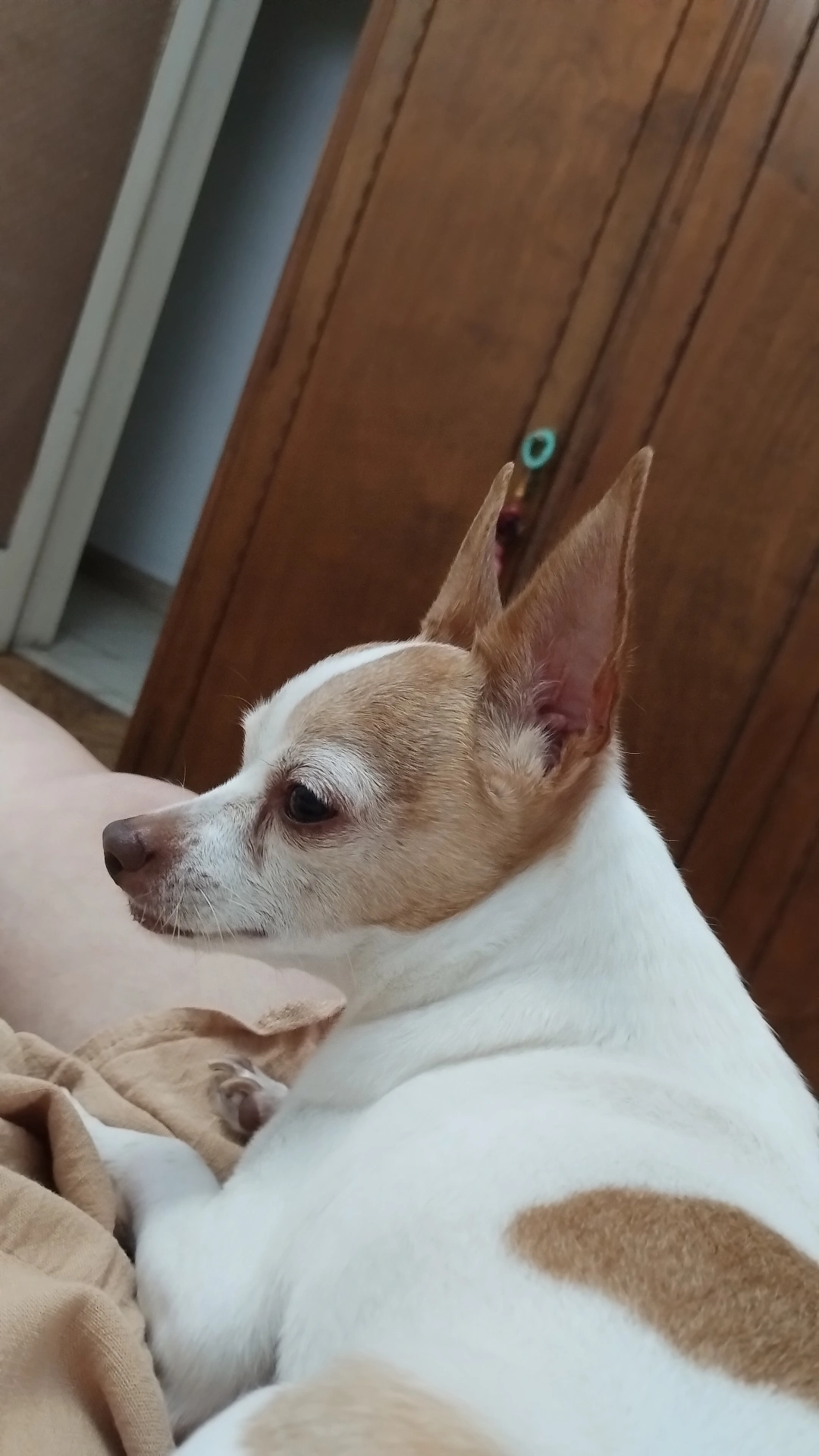
Romeo is 4 and Lorenzo is 2, two apple-head Chihuahuas of 5.3 and 5.1 pounds with very different personalities: one calm and sleepy, the other electric and alert to every sound. That difference is a good reminder that there’s no single right reaction to fireworks. Some dogs need a lap, some need a dark closet and a blanket, and some need help from a vet. Watching your own dog and preparing for that dog is the whole job.
If you start this week, you’ll have a safe room ready and a few desensitization sessions done before New Year’s Eve. And if this year is rough, take notes: what helped, what didn’t, what time the noise started. Next July will be easier.