
Hypoglycemia in Chihuahua Puppies: Signs and What to Do Now
Hypoglycemia in Chihuahua puppies: the signs of low blood sugar, first aid with honey or corn syrup on the gums, when it's an emergency and how to prevent it.
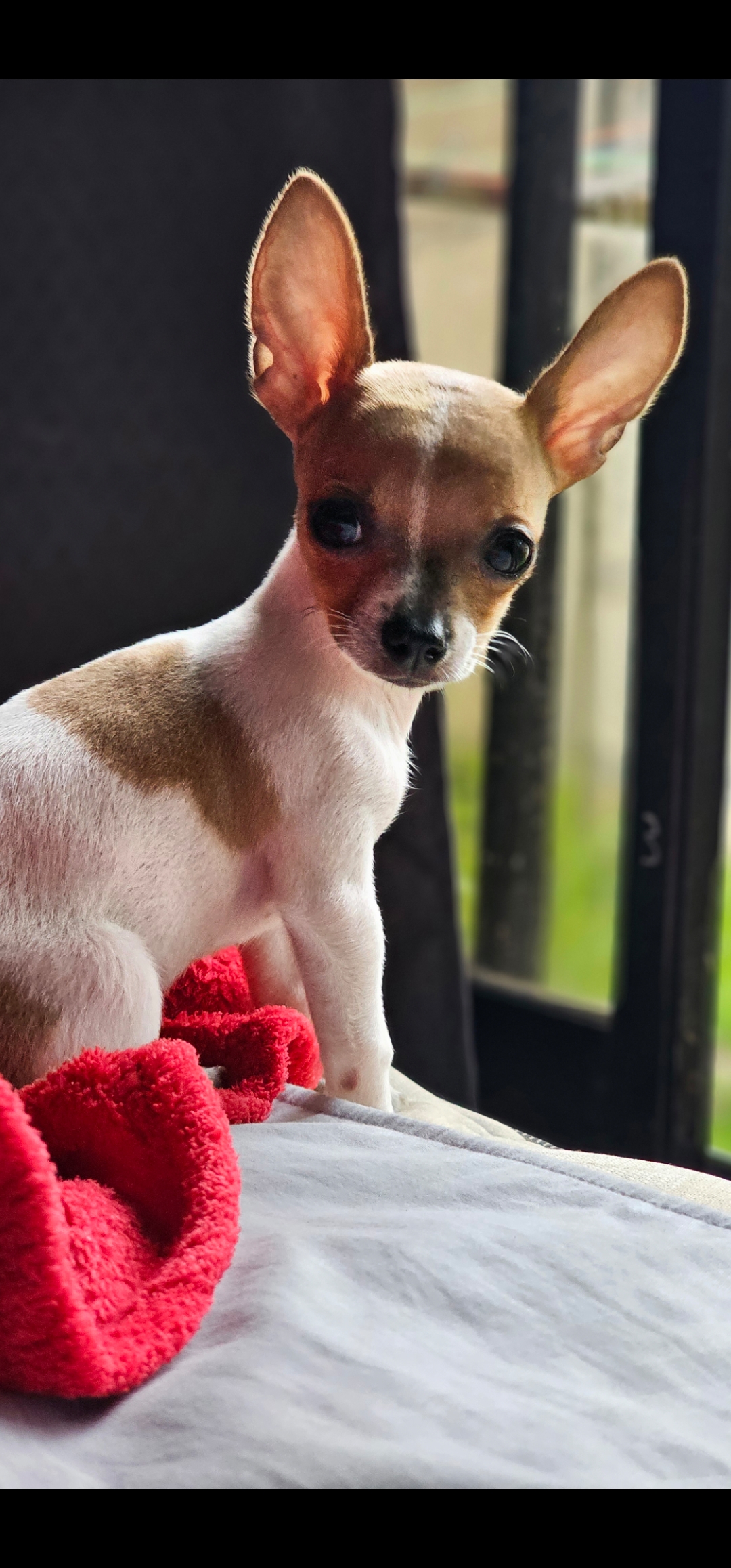
Hypoglycemia in Chihuahua puppies is one of those things worth knowing before it happens, because when it happens you have minutes, not hours. It’s a drop in blood sugar, and in a puppy that weighs less than two pounds it can turn a sleepy puppy into a seizing one surprisingly fast. It’s one of the most common emergencies in baby Chihuahuas, and one of the easiest to prevent.
If you’re reading this with a limp puppy in your arms, skip straight to first aid, then get to the vet. Read the rest in the waiting room.
This article is for information only and is not a substitute for veterinary care. Any sign of hypoglycemia in a puppy calls for an urgent vet visit.
First aid: what to do in the next five minutes
- Check whether the puppy is conscious and can swallow. If they respond to you and can swallow, go to step 2. If they’re unconscious, seizing or can’t swallow, go to step 4.
- Put sugar on the gums. A little honey or light corn syrup (like Karo), or very sugary water if that’s all you have. Rub it on the gums and under the tongue with your finger. They don’t need to swallow much: glucose is absorbed through the mouth.
- Warm them up. A blanket, your own body, a warm (not hot) water bottle wrapped in a towel. Cold makes hypoglycemia worse, and hypoglycemia drops body temperature.
- If the puppy is unconscious or seizing, put nothing in the mouth. Liquid can go into the lungs. Keep them warm and go to the emergency vet now.
- See the vet even if the puppy perks up. This is the step people skip.
The American Kennel Club is clear on this: for small puppies, light corn syrup or honey on the gums can help temporarily, but you should go to a vet immediately afterward, and an unconscious or seizing dog should not be treated at home. At the clinic, your puppy will likely get IV dextrose and monitoring so the sugar doesn’t crash again.
Honey buys time. A puppy that perks up within ten minutes is a great sign, but whatever caused the drop is still there, and blood sugar can fall again within an hour or two.
Why are Chihuahua puppies so prone to low blood sugar?
Size and immaturity. A Chihuahua puppy has a brain that burns a lot of glucose, a liver that hasn’t learned to store reserves yet, and almost no body fat to draw energy from. Between meals, there’s very little margin.
According to the AKC, hypoglycemia in dogs is defined as blood glucose below 60 mg/dL, and signs tend to appear around 40 to 50 mg/dL. The dogs most at risk are very young or very small toy breed puppies, often under 12 weeks old.
An episode is almost always triggered by one of these:
- Too long without food. A long night, a skipped meal, a puppy that turned down dinner.
- Cold. Staying warm burns energy.
- Stress. The trip to a new home, the first vaccine, a noisy house full of visitors.
- Hard play without a meal afterward.
- Intestinal parasites or diarrhea that robs nutrients.
- Being too small. Puppies sold as “teacup” or “micro” have even less reserve.
That’s why the riskiest moment is the first week in a new home: new place, new food, a car or plane ride, nerves, and sometimes a puppy that left its mother too early.
How can I tell if my puppy’s blood sugar is low?
Early signs are subtle and look a lot like sleepiness, so it pays to know them by heart:
| Stage | What you see | What to do |
|---|---|---|
| Early | Quieter than usual, no interest in play, slight trembling, picking at food | Offer food right away; if they won’t eat, honey on the gums |
| Moderate | Weakness, wobbly drunk-looking walk, blank stare, pale gums, cold body | Honey on the gums, warmth and the vet now |
| Severe | Falls over, doesn’t respond, seizures, collapse | Nothing by mouth, warmth and the ER immediately |
One important detail: trembling alone doesn’t diagnose anything. Chihuahuas shake from cold, nerves and excitement (we cover all of it in why Chihuahuas shake). What should set off the alarm is trembling together with lethargy, clumsiness or disinterest in a small puppy that hasn’t eaten in hours.
How to prevent hypoglycemia in a Chihuahua puppy
Prevention is boring, and it works:
- Small, frequent meals. Up to three months, four to five meals a day, without going more than a few hours between meals during the day. The AKC stresses not letting tiny puppies go too long between meals, especially when they’re active, stressed or cold.
- Small-breed puppy food, with kibble sized for their mouth. If they won’t eat it dry, soften it with a little warm water.
- Food on hand during stressful moments. Homecoming day, vaccine day, travel day: a bit of their usual food before and after.
- Warmth. A bed off the cold floor and a blanket. A Chihuahua puppy can’t regulate body temperature well.
- Deworming on schedule, following your vet’s plan.
- Naps yes, fasting no. If they sleep through a meal, wake them and offer something.
- Honey in the first-aid kit. A small squeeze bottle of honey or corn syrup at home and another in your bag for the first few months.
If your puppy is very young or you’re raising a litter, the day-to-day of those first weeks is in Chihuahua puppy care and newborn Chihuahua care. Low blood sugar is the quiet thread running through both.
Can adult Chihuahuas get hypoglycemia?
Yes, though it’s much less common. The AKC lists causes in adult dogs that include very hard exercise, an insulin overdose in diabetic dogs, xylitol poisoning (the sweetener in sugar-free gum and some peanut butters), and diseases of the liver, pancreas or adrenal glands.
If an adult Chihuahua has a low blood sugar episode, it’s not “just the breed”: the cause needs to be found with bloodwork. And xylitol deserves its own warning: a single piece of sugar-free gum can drop a 5-pound dog’s blood sugar dangerously. Keep it out of reach.
What to remember
- Hypoglycemia is a common emergency in Chihuahua puppies, especially under 12 weeks.
- Lethargy, wobbliness, a blank stare and a cold body in a puppy that hasn’t eaten in hours: think low blood sugar.
- Conscious: honey on the gums, warmth and the vet. Unconscious: nothing by mouth and the ER.
- Small, frequent meals, warmth and low stress prevent most episodes.
For the rest of the breed’s typical health problems and their warning signs, see our guide to common Chihuahua health problems.
Romeo and Lorenzo are adults now and weigh around five pounds each, so this one doesn’t keep us up at night anymore. But whenever a club member writes to us about a new puppy, our first question is always the same: how many hours between meals? In a baby Chihuahua, that answer says more than any other.
Frequently asked questions
What is hypoglycemia in Chihuahuas?
What are the signs of hypoglycemia in a Chihuahua puppy?
What should I do if my Chihuahua puppy has low blood sugar?
At what age do Chihuahuas outgrow hypoglycemia?
How often should a Chihuahua puppy eat?
Written by Belen Salto, who shares her life with Romeo and Lorenzo, two Chihuahuas. · Ver en español