When Do Chihuahua Ears Stand Up? Teething, Floppy Ears and Tape
When do Chihuahua ears stand up? The usual puppy timeline, why ears drop during teething, floppy ears in adults, and why taping and glue aren't the answer.
When do Chihuahua ears stand up? If you’ve just brought home a puppy with one ear up, one ear sideways and a look of total confidence, you’re probably asking yourself this every morning. Those big, upright ears are such a part of the breed’s image that it’s easy to worry when they take their time. The honest answer is that there’s no exact date, but there is a common pattern, and in most puppies it ends with ears that stand on their own.
This guide covers the usual timeline, why ears so often drop during teething, what it means if they never stand fully, and the myths about tape, glue and supplements.
This article is for general information and is not a substitute for advice from your veterinarian. If an ear changes suddenly, swells or seems painful, have your vet take a look.
What the breed standard says about Chihuahua ears
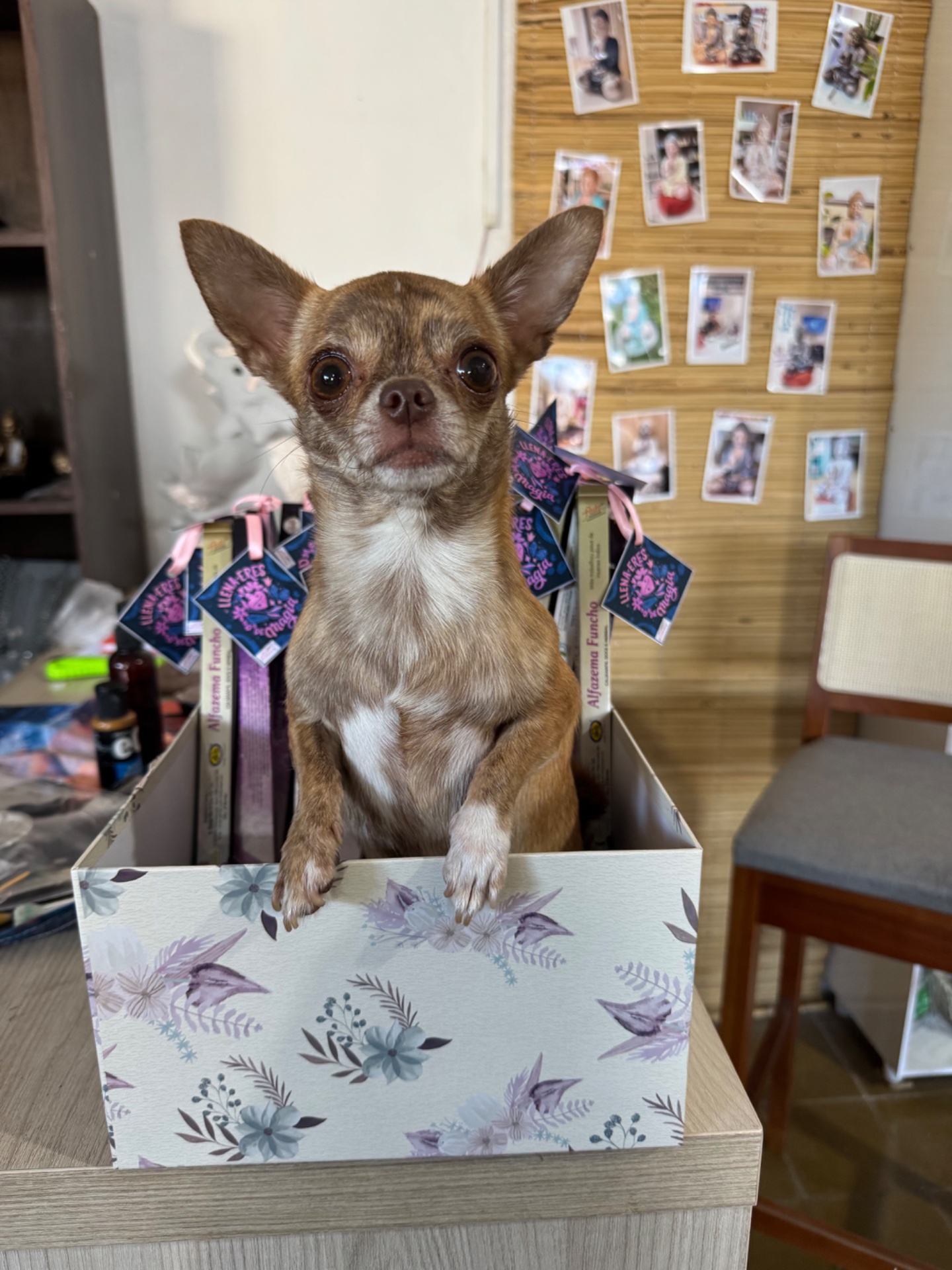
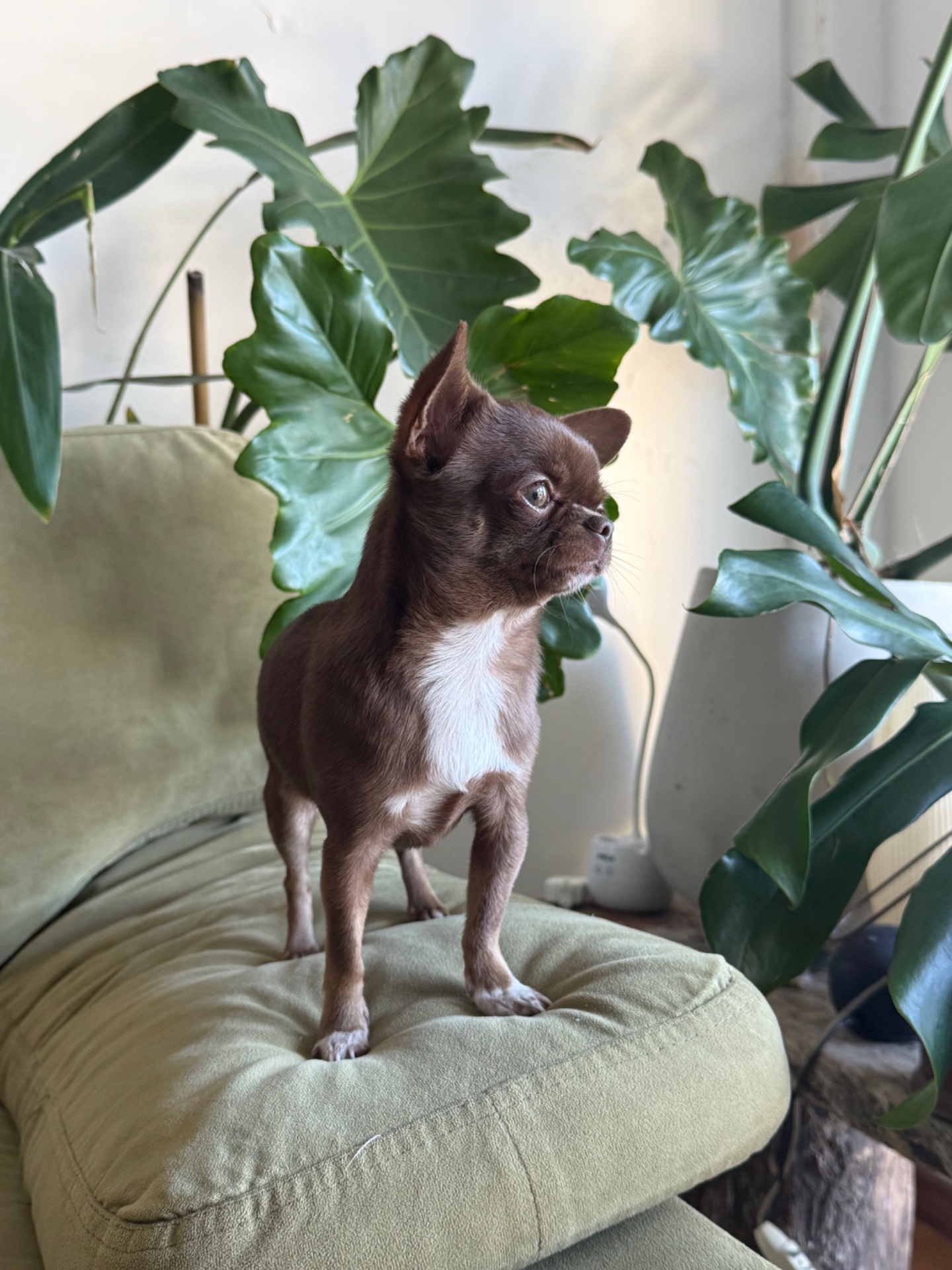
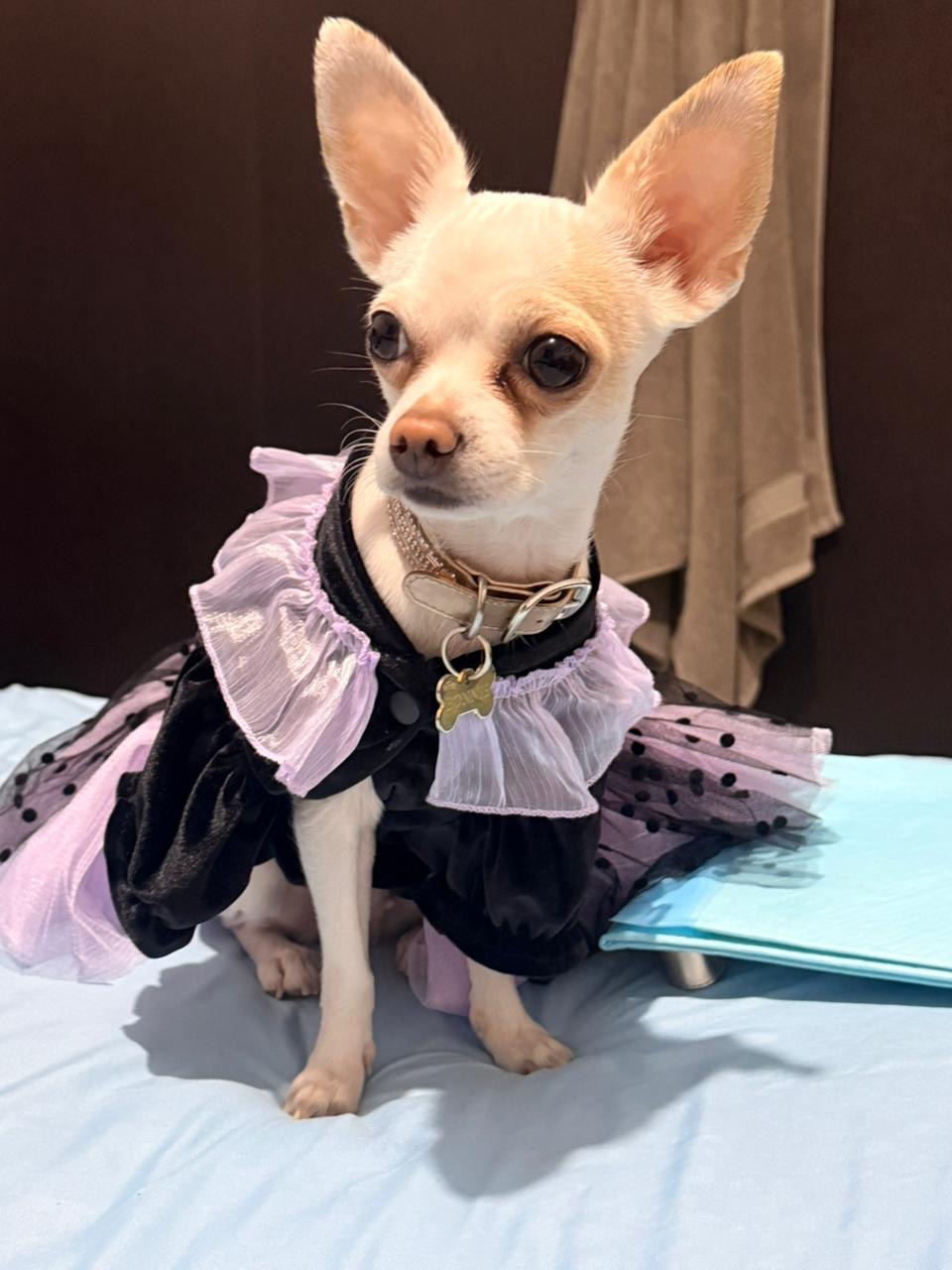
The AKC breed standard for the Chihuahua describes the ears as “large, erect type ears,” held more upright when the dog is alert and flaring out to the sides at about a 45-degree angle when relaxed. That’s why so many adult Chihuahuas look like little satellite dishes when they hear the treat bag, and like airplane wings when they’re dozing on the couch.
The same standard lists “broken down or cropped ears” among its disqualifications. That matters for dogs shown in conformation. For a family pet, it’s a description of the ideal look, not a measure of health or happiness.
When do Chihuahua puppy ears usually stand up?
There’s no study that pins this down for the breed, so what follows is the pattern breeders and owners commonly describe, not a medical rule:
| Age | What many owners see |
|---|---|
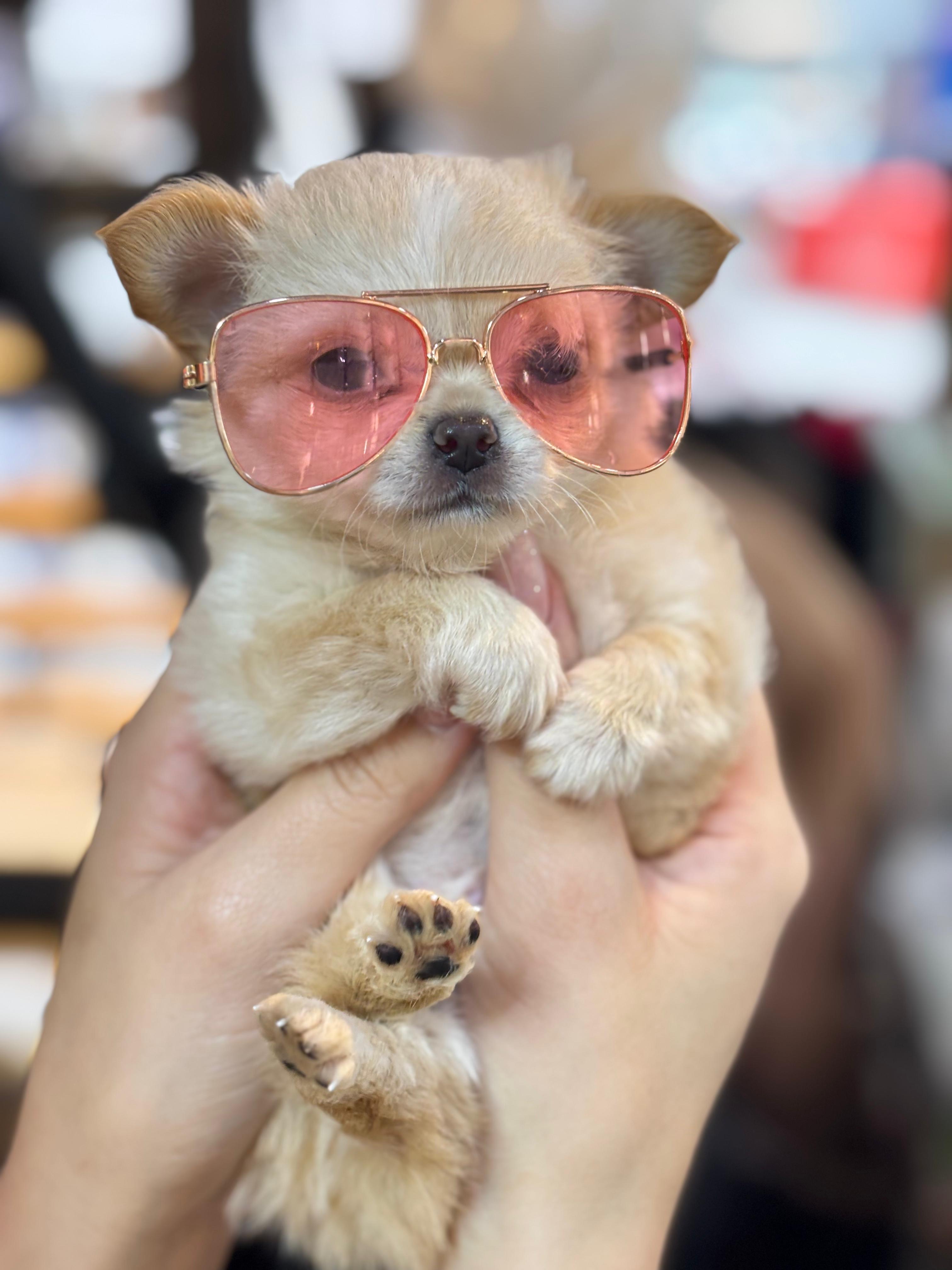
| Newborn to about 2 months | Ears soft and folded or flopping to the sides |
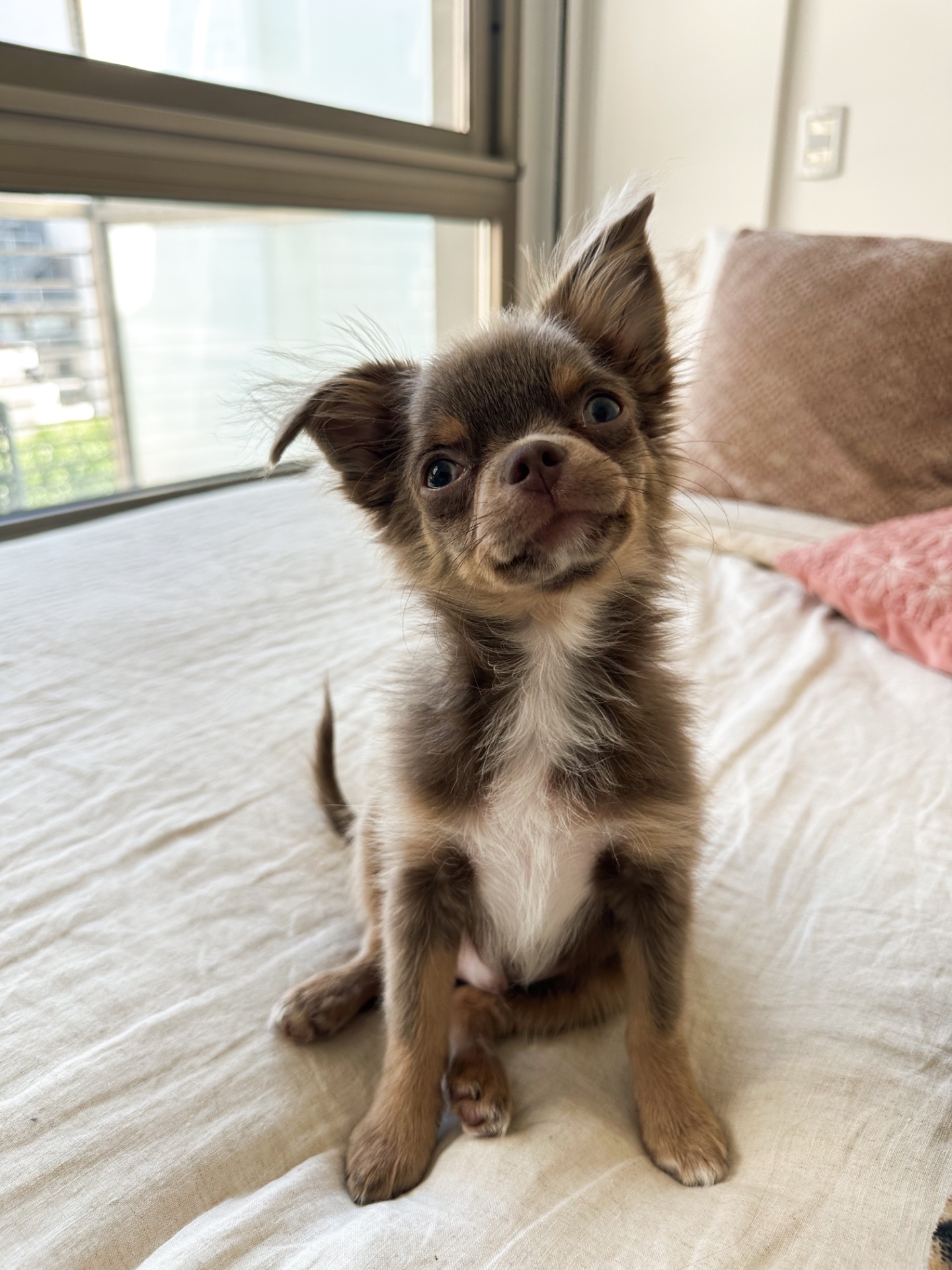
| About 2 to 4 months | Ears begin to lift; often one goes up before the other |
| About 3 to 7 months (teething) | Ears that were up may wobble, tip or drop again |
| After the adult teeth are in | Most ears settle into their adult position |
| Beyond that | Some ears stay soft, tipped or partly folded for good |
The teething window in that table does come from veterinary sources. The MSD Veterinary Manual says a puppy’s permanent teeth usually begin to appear at around 4 to 5 months, and all of them are present by about 7 months. The AKC describes teething as typically starting at 3 to 4 months and usually being finished by 6 months.
Every puppy is different. It’s normal to see one ear stand weeks before its twin, or both stand for a while and then go back down.
Why do Chihuahua ears drop during teething?
This is the question that sends owners to the forums at midnight. Breeders and owners widely report that ears which were standing beautifully can flop again while a puppy is losing baby teeth and growing adult ones, then come back up once teething is over. Many explain it as the growing body diverting resources to the new teeth, but I haven’t found good research that proves it, so take the explanation with a pinch of salt. The pattern itself is common enough that most breeders will tell you not to judge a Chihuahua’s ears before the adult teeth are in.
What you can do during this stage:
- Leave the ears alone. Constant folding, rubbing or “training” them up doesn’t help.
- Give safe things to chew, so teething energy goes into toys and not your hands.
- Keep an eye on the mouth. Toy breeds often keep baby teeth after the adult ones arrive; how to spot retained baby teeth and why they matter is in Chihuahua teeth problems.
- Feed a complete puppy food in the amounts your vet recommends. There’s no need for extra calcium or supplements “for the ears,” and adding calcium to a growing puppy’s complete diet isn’t something to do without your vet.
For what else is changing in those months, Chihuahua growth stages walks through the timeline from newborn to adult.
What if my Chihuahua’s ears never stand up?
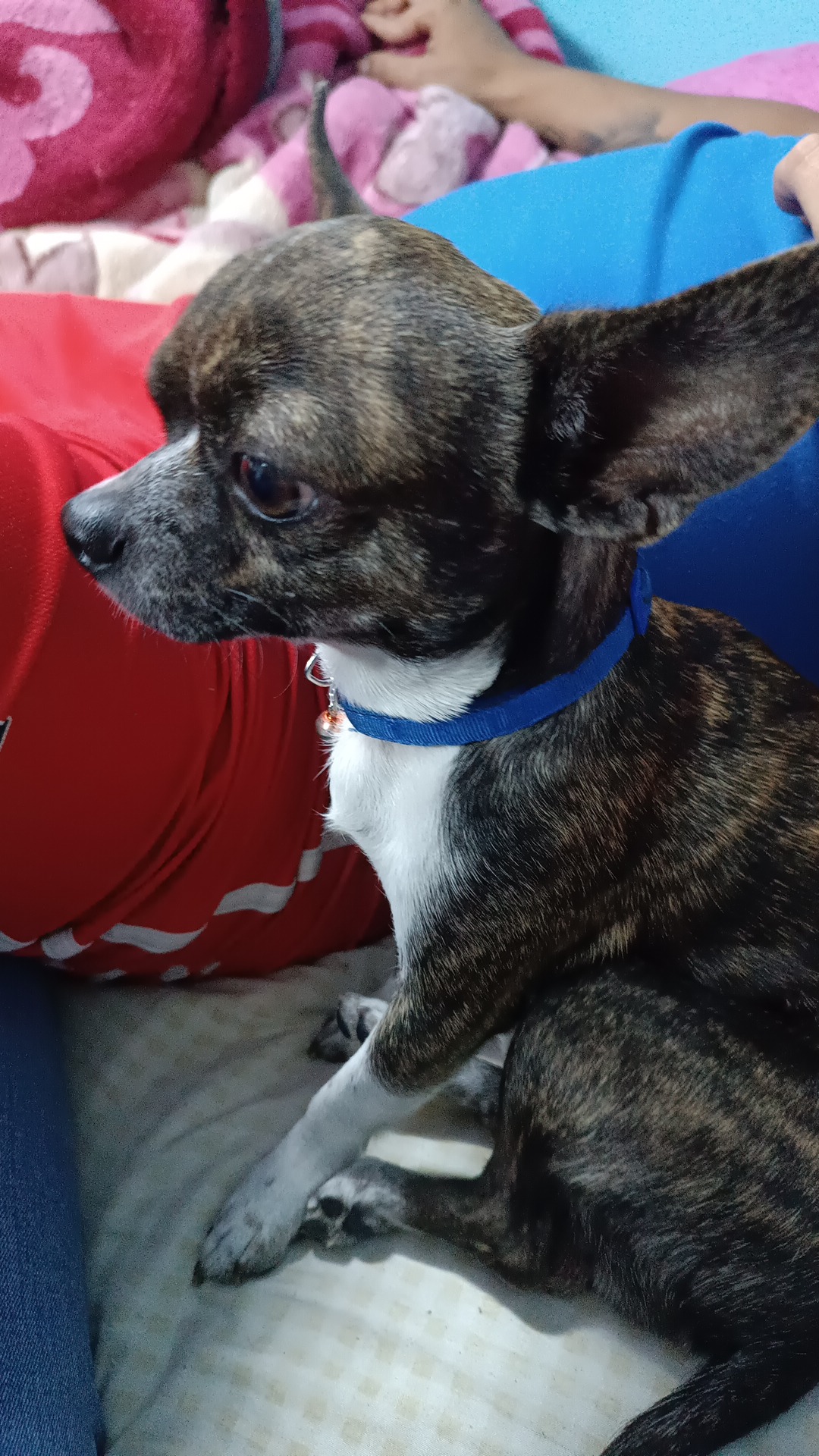
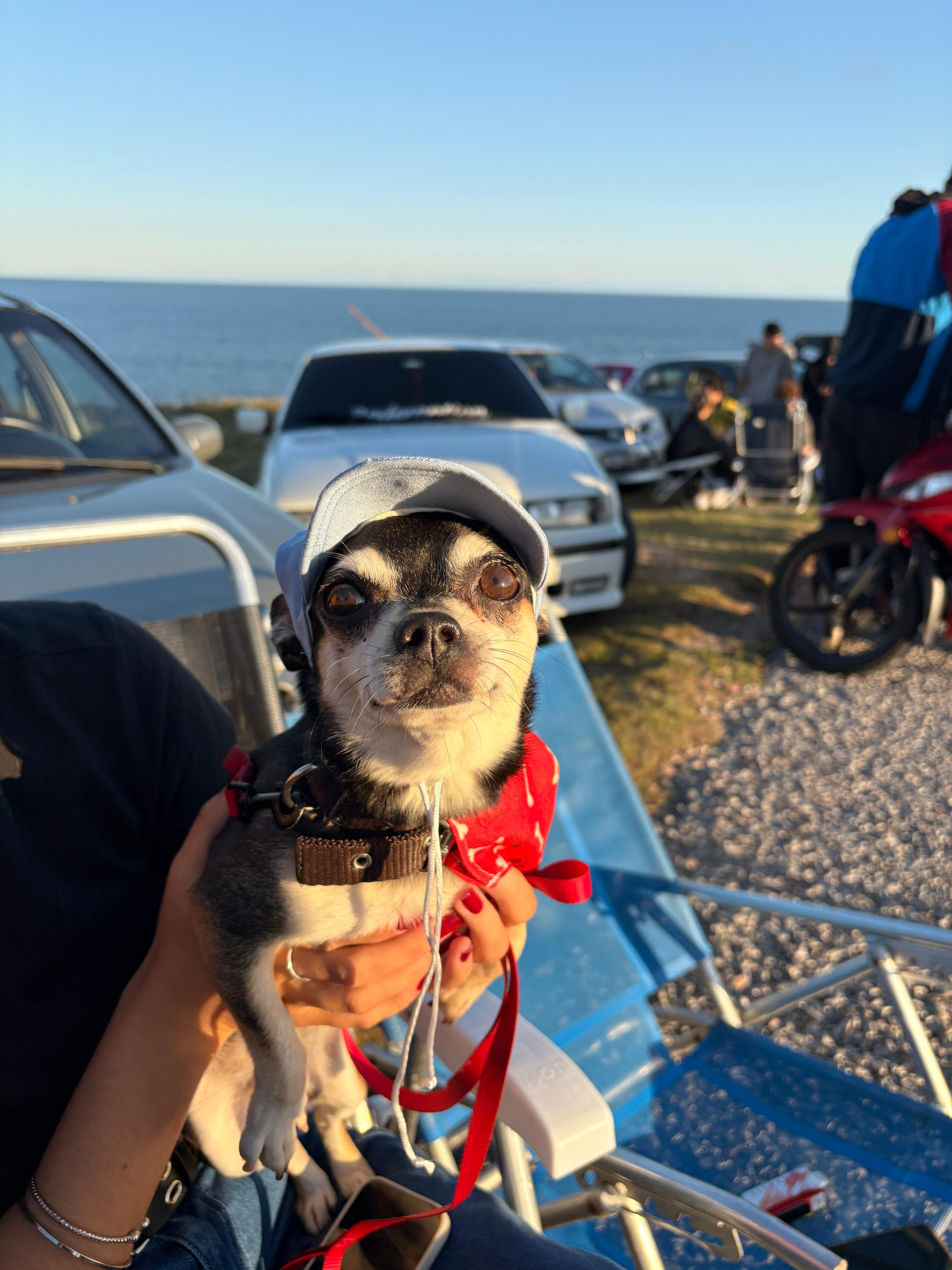
Some Chihuahuas grow up with one ear that tips at the top, ears that fold softly, or ears that stand only when they’re excited. Ear carriage is partly about cartilage and genetics, and in a mixed-breed or “Chihuahua mix,” the other half of the family tree may have floppy ears to pass on.
For a pet, soft ears are not a defect in any way that matters to the dog. The AKC standard’s disqualification is a show-ring rule. A Chihuahua with tipped ears will still hear the treat bag open from the other end of the house.
What deserves attention is change, not shape:
- An adult ear that suddenly drops when it used to stand
- A soft, puffy swelling on the ear flap, which can be a blood blister (an aural hematoma, which the MSD Veterinary Manual describes as a fluid-filled swelling on the inner surface of the ear flap)
- An ear held down along with head shaking, scratching, odor or discharge
Those point to pain or a problem in the ear, not genetics, and they’re a reason to see your vet. How to check and clean ears safely is in how to clean Chihuahua ears.
Should you tape a Chihuahua’s ears?
You’ll find plenty of online tutorials for taping or “posting” ears with foam, tape or rolled supports. My advice is not to do it on your own. A Chihuahua’s ear is thin and delicate, tape can irritate or tear the skin when it comes off, and anything that covers the ear can trap moisture. Done wrong, it can leave the ear worse off than if you’d left it alone.
If you have a specific reason to want the ears up, talk to your vet first, or to an experienced, responsible breeder working alongside your vet, and let them decide whether it’s appropriate at all.
And one firm rule: never use glue on a dog’s ears. Not eyelash glue, not superglue, not “pet-safe” adhesive from a video. There’s no version of that worth the risk to the skin.
Ear myths you can ignore
- “Massaging the ears every day makes them stand.” There’s no good evidence for it, and constant handling can irritate the skin.
- “Floppy ears mean the dog isn’t purebred.” Not necessarily. Plenty of purebred puppies take their time, and some keep soft ears. Head shape and type are better guides, and our types of Chihuahua guide explains what really distinguishes them.
- “Cottage cheese or calcium makes the ears go up.” It’s a popular tip, but there’s no good evidence, and extra calcium for a puppy on a complete diet should only come on your vet’s advice.
- “If the ears aren’t up by 8 weeks, they never will be.” Many puppies’ ears are still changing for months after that, especially through teething.
Romeo is 4 and Lorenzo is 2, so both are long past the stage where ears are still making up their minds. If I had a puppy whose ears were still deciding, I’d do exactly what this guide suggests: wait out the teething, keep the ears healthy, and love whichever version shows up. The ears are the least important thing about a Chihuahua, even if they’re the first thing everyone notices.