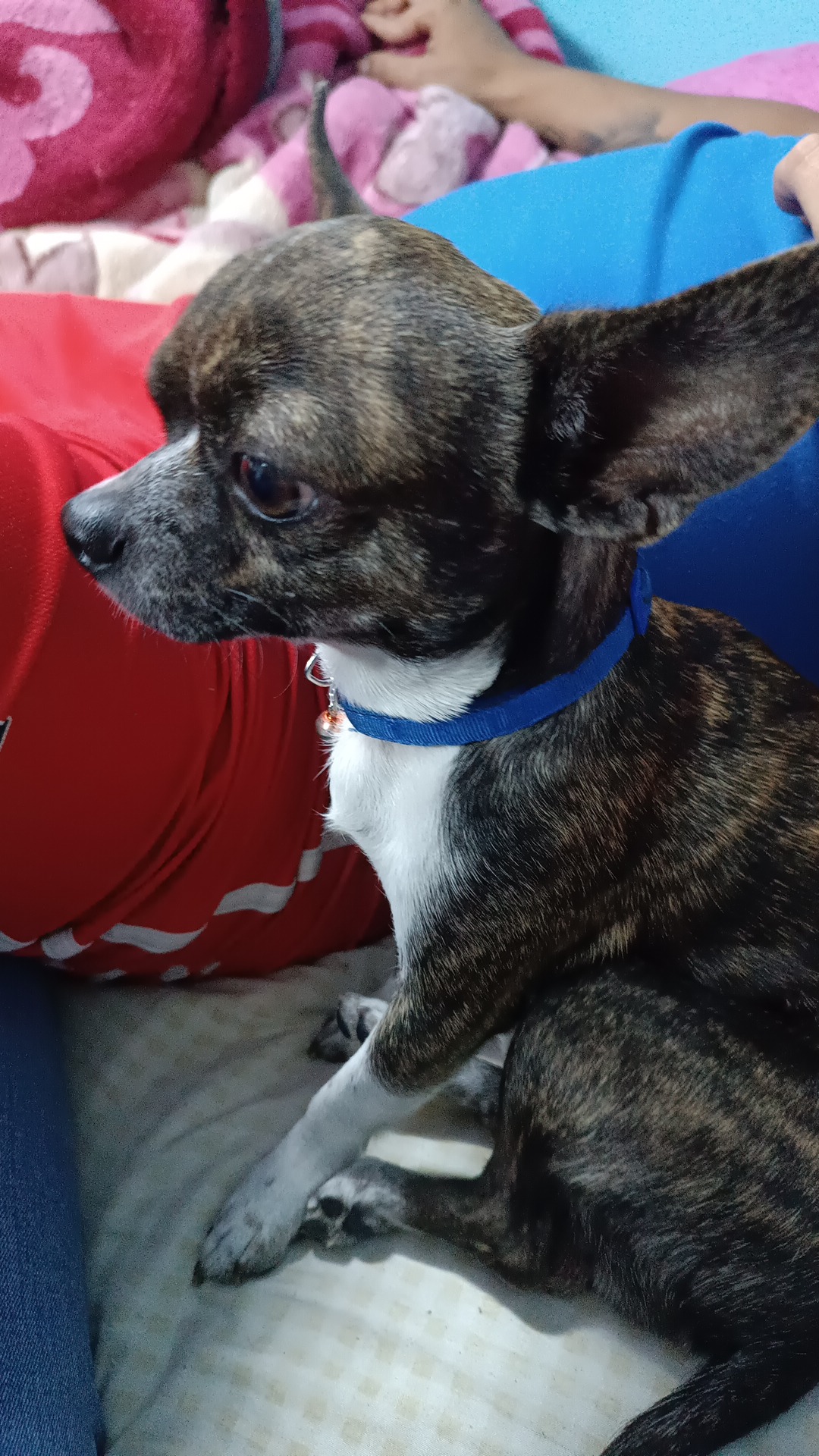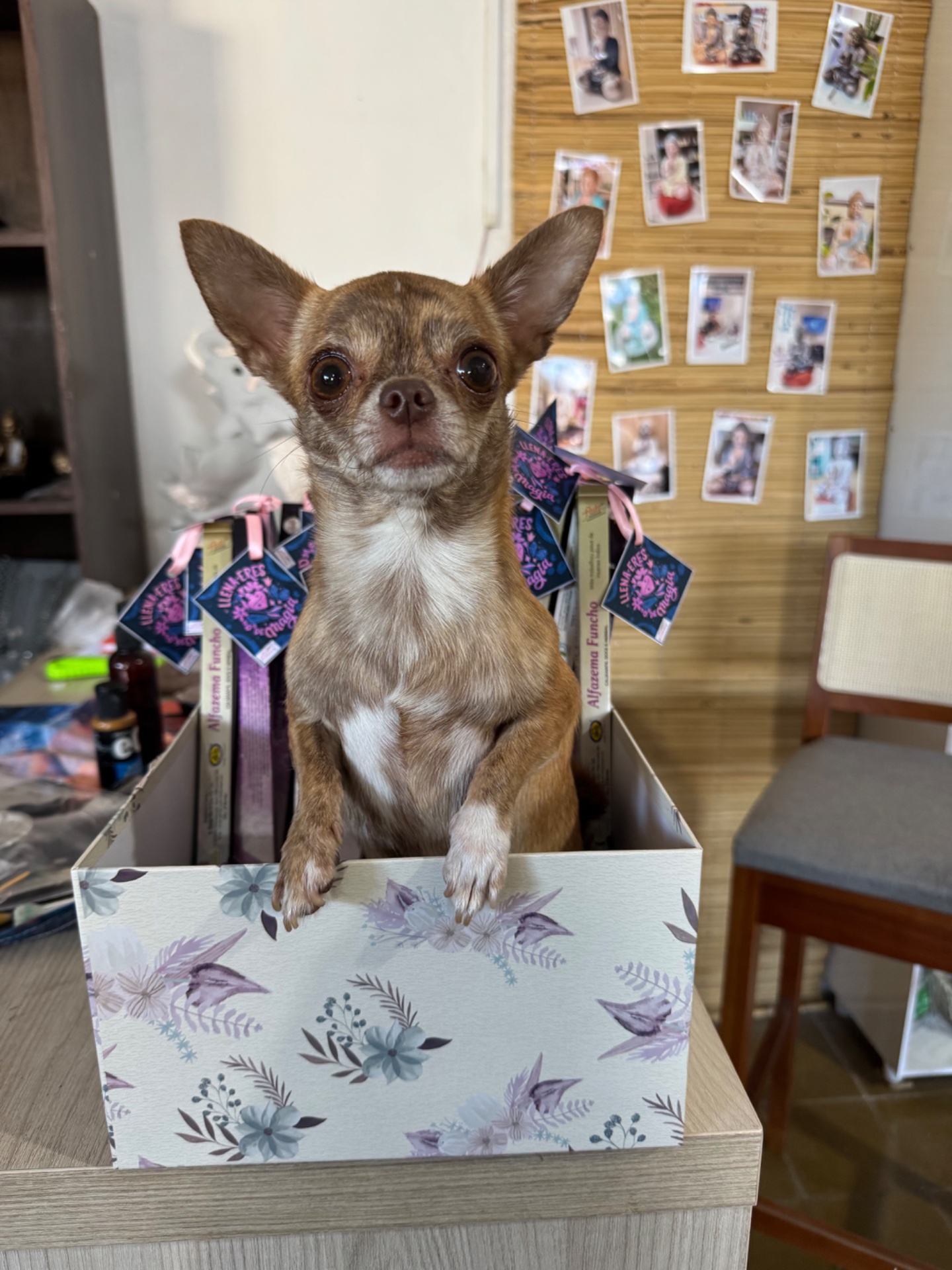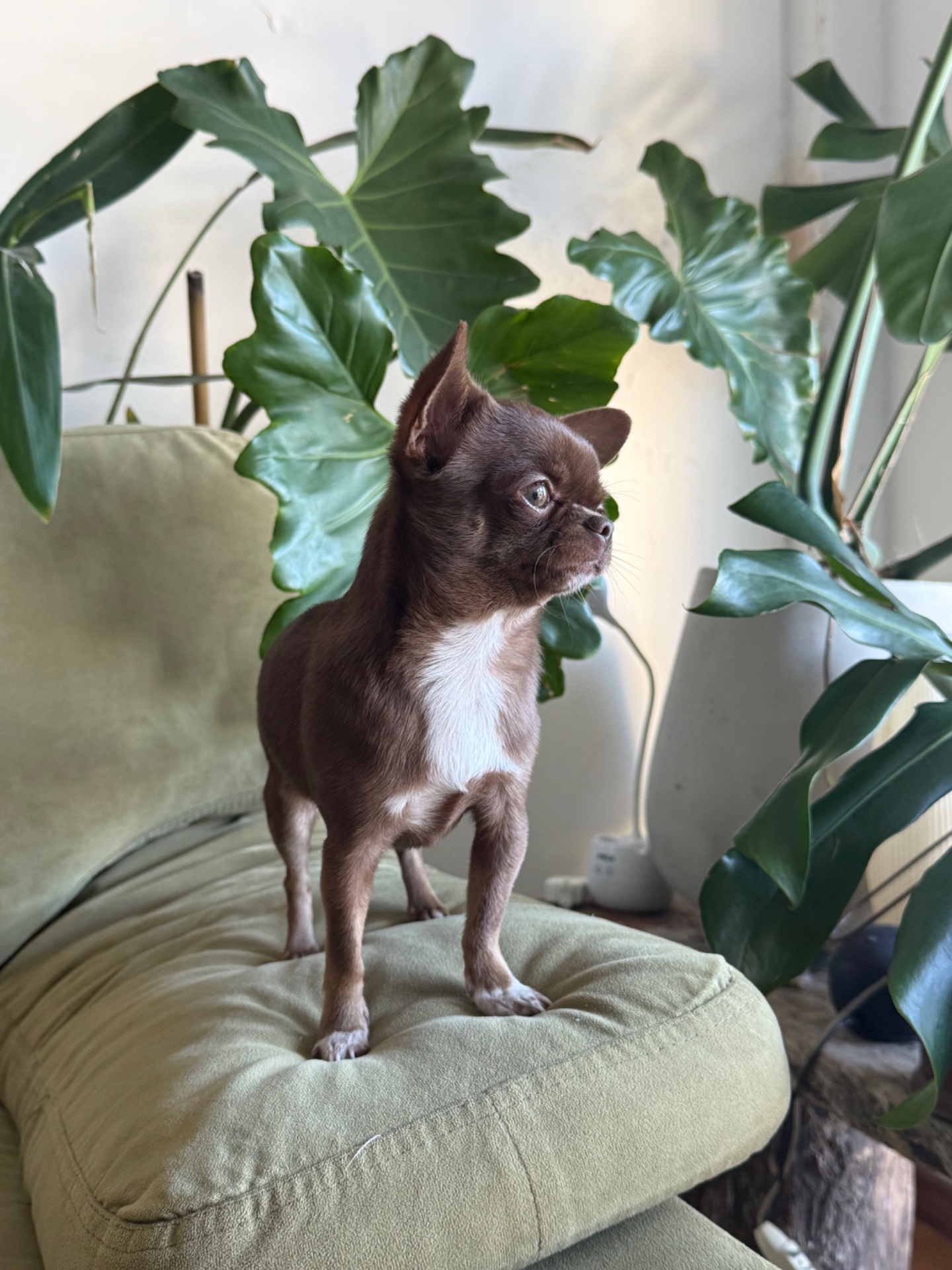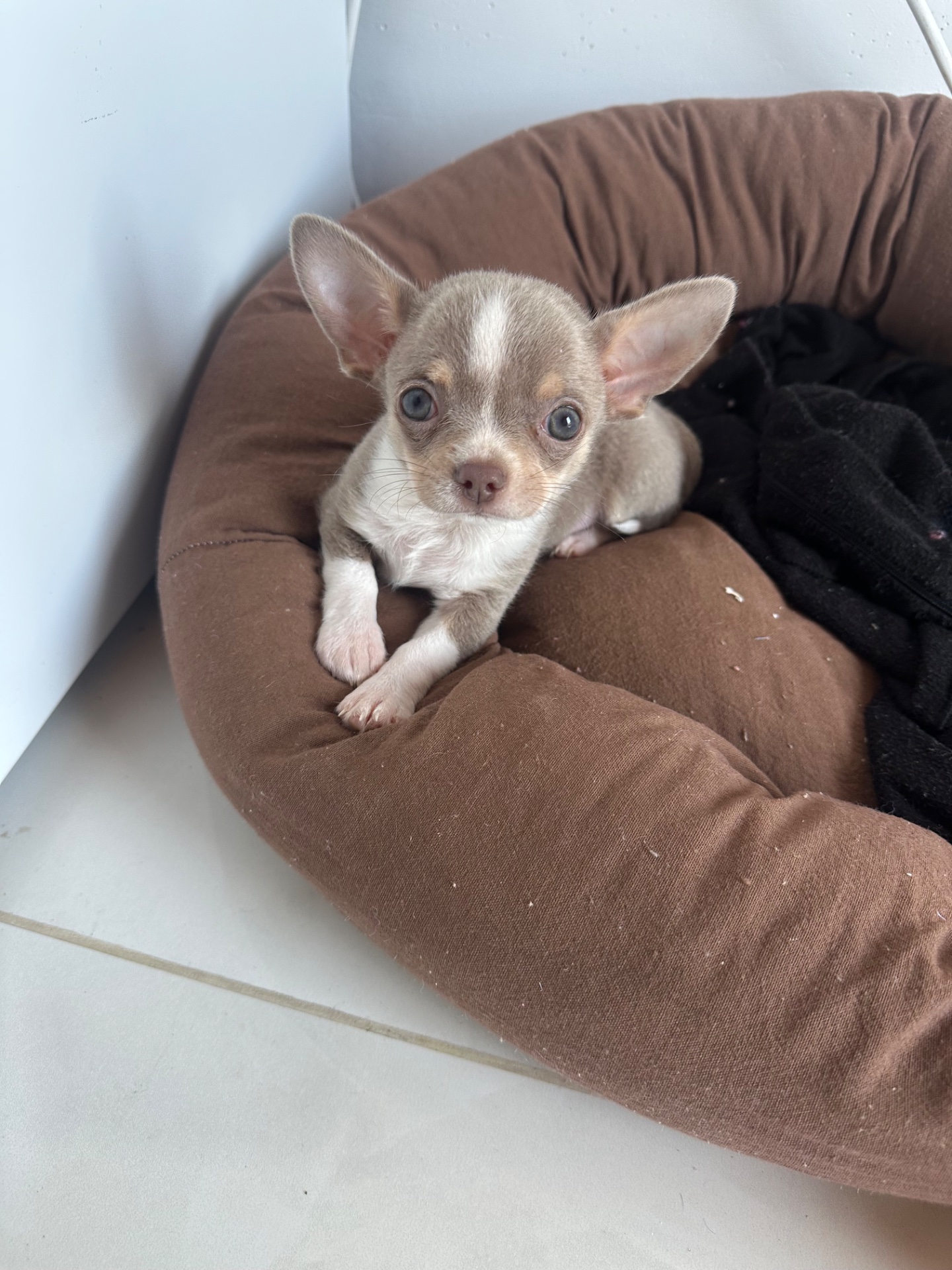
Are Chihuahuas Good Apartment Dogs? Space, Barking and Potty Plans
Are Chihuahuas good apartment dogs? Yes, with a plan. Exercise needs, barking and neighbors, potty options on high floors, elevators, temperature and lease rules.
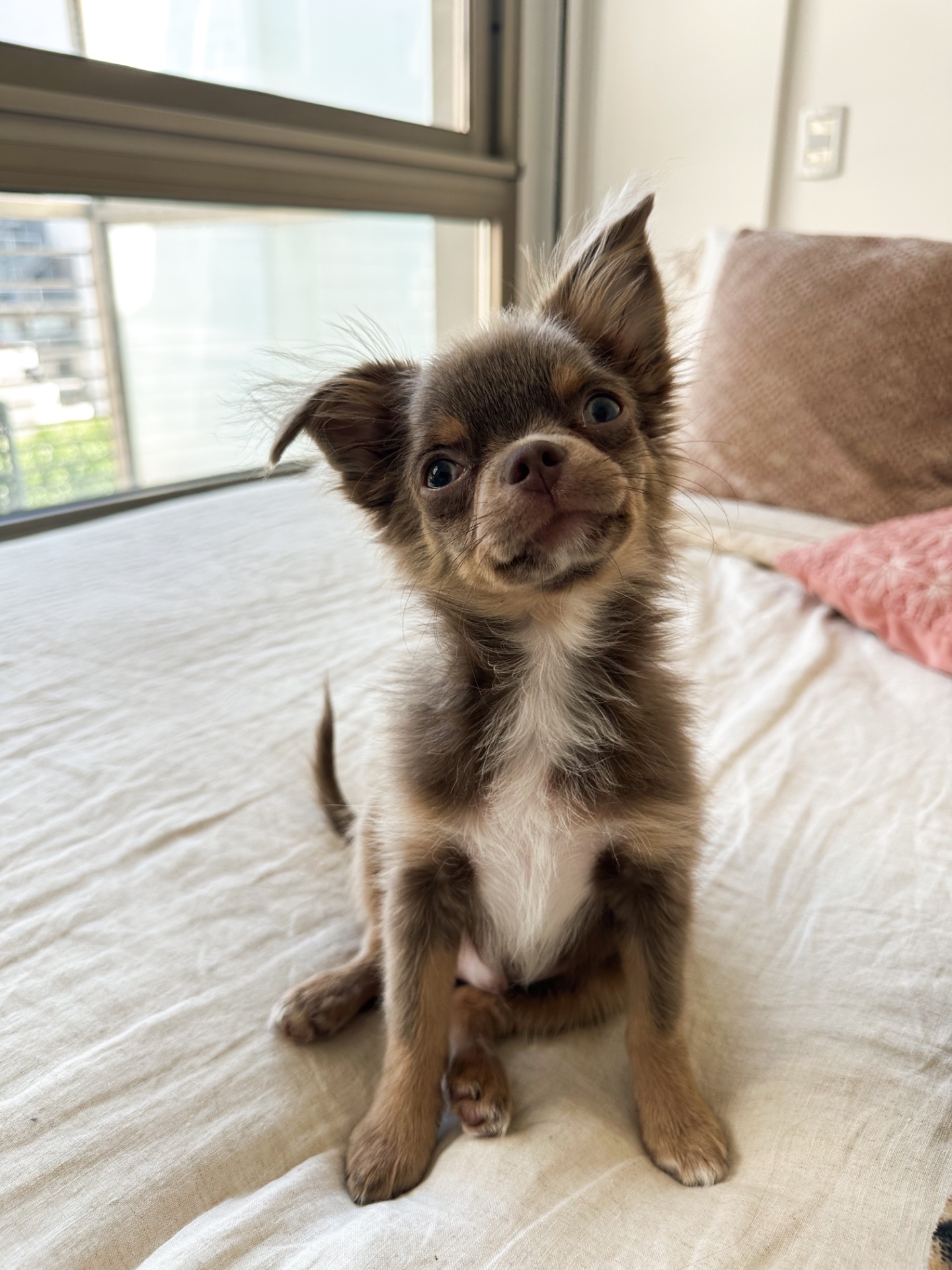
Are Chihuahuas good apartment dogs? For most people, yes. A dog that weighs around 5 pounds doesn’t need a yard, can get much of its exercise in a living room and fits in a carrier for the elevator. But the breed comes with two habits that apartment life puts under a magnifying glass: a big voice and a tiny bladder. Plan for those, and a Chihuahua can be one of the easiest city companions there is.
Here’s what to think about before (or after) bringing a Chihuahua home to an apartment.
A quick look at the breed’s traits
The American Kennel Club’s Chihuahua breed profile gives a height of 5 to 8 inches and a weight of no more than 6 pounds, and rates traits on a 1-to-5 scale. These are the ones that matter most for apartment living:
| AKC trait | Score (out of 5) | What it means in an apartment |
|---|---|---|
| Adaptability | 4 | Handles changes in noise, schedule and living space well |
| Energy level | 4 | Lively; needs daily walks and play, just in small doses |
| Barking level | 5 | Very vocal; the biggest challenge with neighbors |
| Watchdog / protective nature | 4 | Will announce the hallway, the doorbell and the elevator |
| Openness to strangers | 2 | Often wary of visitors and neighbors at first |
| Shedding level | 2 | Some hair on the couch, but manageable |
In other words: size and adaptability are on your side. The barking score is the one to take seriously.
Is an apartment big enough for a Chihuahua?
Almost always. A studio is plenty of floor space for a dog that’s 5 to 8 inches tall. What a Chihuahua actually needs isn’t room, it’s activity and company.
A healthy adult usually does well with about 30 to 60 minutes of activity a day, split into two or three short walks plus games. Indoor play counts: tug, fetch down a hallway, a snuffle mat, a short training session. Our guide on how much exercise a Chihuahua needs breaks it down by age and health.
Two things to skip in an apartment:
- Relying only on indoor play. Walks aren’t just exercise. Sniffing new places is mental work, and a bored Chihuahua finds its own entertainment (usually barking or chewing).
- Long weekend marathons to make up for a quiet week. Short, daily and consistent beats long and occasional for a dog this small.
Will my Chihuahua’s barking bother the neighbors?
Possibly, and it’s the question I’d think about most before signing a lease. Chihuahuas are alert by nature. In an apartment, there’s always something to report: footsteps in the hallway, a door closing, the elevator, a delivery.
| Common apartment trigger | What helps |
|---|---|
| Footsteps or voices in the hallway | A white noise machine or fan near the door; a bed away from the entrance |
| Doorbell or knocking | Practice with recorded doorbell sounds and reward calm |
| Street view from a window | Frosted film on the lower part of the glass, or move the couch |
| Being left alone | Exercise before you leave, a food puzzle, short absences built up gradually |
| The elevator | Thank your dog for the alert, then ask for quiet and reward it |
Yelling usually makes it worse, because to your dog it sounds like you’re barking too. Our guide to Chihuahua barking explains the five types of bark and a step-by-step method to quiet each one.
One neighborly tip: introduce yourself and your dog early. People are much more forgiving of an occasional bark from a dog they’ve met than from a mystery voice behind a wall.
Potty options when you live on a high floor
This is the part of apartment life that surprises new owners. A Chihuahua puppy can’t hold it through a long elevator ride and a lobby, and a senior may need to go more often than you can get downstairs. Many apartment Chihuahuas use a combination:
- Outdoor potty on walks, as the main routine for healthy adults.
- Pee pads in a holder for nights, bad weather and long workdays.
- A grass patch on the balcony (real or artificial) if your building allows it, for dogs that prefer something underfoot that feels like outdoors.
If you go with a balcony patch, check that the railing has no gaps a tiny dog can slip through, and never leave your Chihuahua out there unsupervised. We compare disposable and washable pads, holders and grass patches in our guide to the best puppy pads and indoor potty options.
Stairs, elevators and lobbies
Getting in and out of the building is part of every walk, so it’s worth making it safe.
- Elevators: pick your dog up. Paws stay clear of the door gap, and nobody’s large dog can corner yours in a small space.
- Stairs: a few steps are fine for a healthy adult, but long flights are hard on small joints, and very young puppies and seniors are better carried.
- Lobbies and hallways: keep the leash short and your dog close. Some neighbors are nervous around dogs, whatever the size.
- Doors: apartment doors open straight into shared spaces. Teach a “wait” at the door so your dog doesn’t dash into the hallway.
Temperature: heating, AC and sunny windows
Chihuahuas lose body heat fast, and they also overheat easily. Apartments can swing both ways: a radiator blasting in winter, a top-floor unit baking in summer with the AC off.
- Aim to keep the room roughly between 68 and 75°F when your dog is home alone.
- Place the bed away from drafty windows and away from direct contact with heaters.
- In summer, don’t switch the AC off completely for the day if your unit heats up. Close the blinds on sunny windows.
- Give your dog a covered bed or a blanket to burrow into, so it can warm up on its own terms.
Leaving a Chihuahua alone in an apartment
A healthy adult can handle a normal absence, but a full workday is a lot for a dog this small, and a lonely Chihuahua tends to bark. A playpen with a bed, water and a pad keeps your dog safe and calmer than free run of the apartment. For realistic hours by age and how to set up a safe space, see how long a Chihuahua can be left alone.
If your building is noisy and you’re not sure how your dog reacts, a pet camera for the first few absences tells you whether the barking starts the moment you leave or never happens at all.
Lease rules and pet policies
Every building is different, so read the paperwork before your dog moves in, not after. Things to ask or check:
- Is the pet policy in writing? Get it added to the lease or a signed pet addendum.
- Weight and number limits. Many buildings limit dogs by size; a Chihuahua usually fits, but confirm.
- Breed rules. Some policies list restricted breeds. If your dog is a mix, ask how the building handles it.
- Fees. Deposits, one-time fees or monthly pet rent vary a lot.
- Noise clauses. Know what counts as a complaint and how it’s handled.
- Shared spaces. Rules about leashes in hallways, elevators, the lobby and any balcony use.
If you’re renting, it’s also worth keeping a copy of your dog’s vaccination record handy; some landlords ask for it.
Our verdict, from two small dogs
Romeo is 4 and Lorenzo is 2, and at about 5.3 and 5.1 pounds they’re the kind of dogs who fit comfortably in very little space. That’s the Chihuahua’s great advantage in an apartment. The work isn’t about room; it’s about teaching quiet, keeping a potty plan that fits your floor and your schedule, and giving a small dog enough walks and attention every day.
If you can commit to those three things, an apartment isn’t a compromise for a Chihuahua. For many of them, it’s exactly the right size.