Are Chihuahuas Hypoallergenic? What Allergic Owners Should Know
Are Chihuahuas hypoallergenic? No dog truly is. Where dog allergens come from, smooth vs long coats, and practical tips for living with a Chihuahua and allergies.

Are Chihuahuas hypoallergenic? The short answer is no. Chihuahuas shed year-round, they aren’t on any kennel club’s list of allergy-friendly breeds, and their dander and saliva carry the same proteins that make people sneeze around any dog. The longer answer is more hopeful: no dog is truly hypoallergenic, and some allergic people do share their home with a Chihuahua by managing allergens, not by finding a magic breed.
Here’s what actually causes dog allergies, how the two Chihuahua coats compare, and what helps if you or someone in your family is allergic.
This article is general information. If you have allergies or asthma, talk to your doctor or a board-certified allergist before bringing a dog home.
What “hypoallergenic” really means
“Hypoallergenic” sounds like a medical guarantee. It isn’t. With dogs, it’s a label for breeds with a coat that sheds little or grows continuously, like the Poodle’s. The idea is that less loose hair means less allergen floating around your home.
The problem is that the hair itself isn’t the main culprit. The Asthma and Allergy Foundation of America explains that people react to a protein found in a pet’s dander (tiny flakes of dead skin), saliva and urine, and that a truly non-allergic dog or cat does not exist. You can read their full overview on pet allergies.
The best-known dog allergen even has a name: Can f 1. According to the American Academy of Allergy, Asthma & Immunology, it’s produced in the tongue and ends up in dander, hair and saliva. Their page on dog allergy myths adds two findings worth knowing:
- Studies found no significant difference in airborne or surface allergen levels between homes with “hypoallergenic” dogs and homes with other dogs.
- Some breeds sold as hypoallergenic have shown equal or even higher levels of Can f 1 in their hair and dander.
So a dog that sheds less leaves fewer hairs on your sofa. That doesn’t automatically mean fewer allergens in the air you breathe.
Is the Chihuahua on the AKC hypoallergenic list?
No. The American Kennel Club keeps a list of breeds it suggests for people with allergies, and the Chihuahua isn’t on it. When I checked it, the list had 27 breeds, including:
| On the AKC list | Coat type | Size |
|---|---|---|
| Poodle (Toy, Miniature, Standard) | Curly, continuously growing | Toy to large |
| Bichon Frise | Curly, dense | Small |
| Maltese | Long, silky | Toy |
| Yorkshire Terrier | Long, silky, hair-like | Toy |
| Chinese Crested | Hairless or “powderpuff” | Toy |
| Xoloitzcuintli | Hairless or coated | Toy to standard |
Even on that page, the AKC is clear that there are no 100% hypoallergenic dogs, only breeds that tend to be less allergenic for some people. It also notes that dander, which attaches to pet hair, is what causes most dog allergies.
Where does the Chihuahua land? On the AKC’s own breed profile, the Chihuahua scores 2 out of 5 for shedding: not a heavy shedder, but a dog that does leave hair around, steadily, all year.
Do Chihuahuas shed a lot?
Less than a husky, more than you’d expect from a dog this tiny. Most Chihuahuas shed lightly every day and have two heavier molts, in spring and fall. We cover the whole cycle in our guide to whether Chihuahuas shed, including how to tell normal shedding from a skin problem.
For allergies, the coat type matters less than people think. Here’s how the two official coats compare:
| Smooth coat | Long coat | |
|---|---|---|
| Shedding | Year-round, light, two seasonal peaks | Same cycle; heavier visible molts in spring and fall |
| Where the hair goes | Short, stiff hairs fall freely and weave into fabric | Loose hair gets trapped in the coat until you brush it |
| Brushing | Once or twice a week | Several times a week, daily during a molt |
| Better for allergies? | No proven advantage | No proven advantage |
A long-haired Chihuahua can look like the “softer” option for allergies, and you may see fewer hairs on the floor between brushings. But the dander and saliva are still there, and the brushing session itself can release a cloud of allergens. Our long-haired Chihuahua guide explains the coat in detail, and our long haired Chihuahua vs Pomeranian comparison shows how it differs from the Pom’s much denser double coat.
Does a smaller dog mean fewer allergens?
This is the part where I want to be careful, because it’s easy to oversell.
A Chihuahua has a tiny fraction of the skin surface of a Labrador. Less skin means less dander produced overall, less coat to hold it and a smaller dog leaving saliva on fewer surfaces. It’s reasonable to think that, for some people, a 5-pound dog means a lower total allergen load in the house than a 70-pound one.
But reasonable isn’t proven. I couldn’t find a study that measured allergen levels in homes with Chihuahuas versus bigger dogs, and allergists stress that the allergen proteins themselves are the same across dogs. A very sensitive person can react strongly to a single small dog. Treat small size as a possible advantage, never as a promise.
There’s also a catch: Chihuahuas are lap dogs. Many sleep against your neck, sit on your chest and burrow under the covers. That closeness puts a small dog’s dander and saliva closer to your face than a big dog lying on the floor across the room.
Tips for living with a Chihuahua when someone is allergic
If you already have a Chihuahua, or you’re seriously considering one, these habits come from the AAFA’s guidance and common allergist advice:
- Keep the bedroom dog-free. Hard for a breed that loves to burrow, but your bedroom is where you spend a third of your life. Give your Chihuahua a cozy covered bed of its own just outside.
- Run a HEPA air cleaner. The AAFA suggests using one at least four hours a day.
- Wash your hands after petting, and avoid touching your face during cuddles.
- Choose hard floors over carpet when you can. If you keep carpet, a low pile that you steam clean often traps less.
- Vacuum with a HEPA-filter vacuum and wash dog beds, blankets and your sofa throws weekly in hot water.
- Brush outdoors, or have the non-allergic person in the house do it.
- Wipe your dog down between baths with a damp cloth or unscented pet wipe.
About baths: the AAFA notes that washing a pet every week may reduce airborne allergens. For a Chihuahua, weekly baths can dry out the skin, which can mean more flaking. Our guide on how often to bathe a Chihuahua suggests every four to six weeks for most dogs. If allergies in your home push you toward more frequent baths, ask your vet about a gentle shampoo and a schedule your dog’s skin can handle.
Before you bring a Chihuahua home
If someone in your family is allergic, a little homework now saves heartbreak later. Rehoming a dog because of allergies is hard on everyone, the dog most of all.
- See an allergist first. Testing can tell you whether you’re allergic to dogs specifically, and how strongly. Many people with “dog allergies” are actually reacting to dust mites or pollen that dogs carry in on their coat.
- Spend real time with the dog you want. Not five minutes at a meet-and-greet; a few hours, ideally more than once, indoors.
- Remember that individual dogs vary. The AAFA notes that people may tolerate some dogs better than others. Two Chihuahuas from the same litter can affect you differently.
- Plan the house before the dog arrives. Decide where the bed goes, which rooms are off-limits and who brushes.
| Question to ask yourself | Why it matters |
|---|---|
| Have I been tested? | Confirms the allergen and how severe the reaction is |
| Have I spent hours, not minutes, with this dog? | Reactions can build slowly |
| Can I keep the bedroom dog-free? | It’s the single biggest change you can make |
| Is anyone at home asthmatic? | Asthma raises the stakes; get medical advice first |
Our two, and the honest bottom line
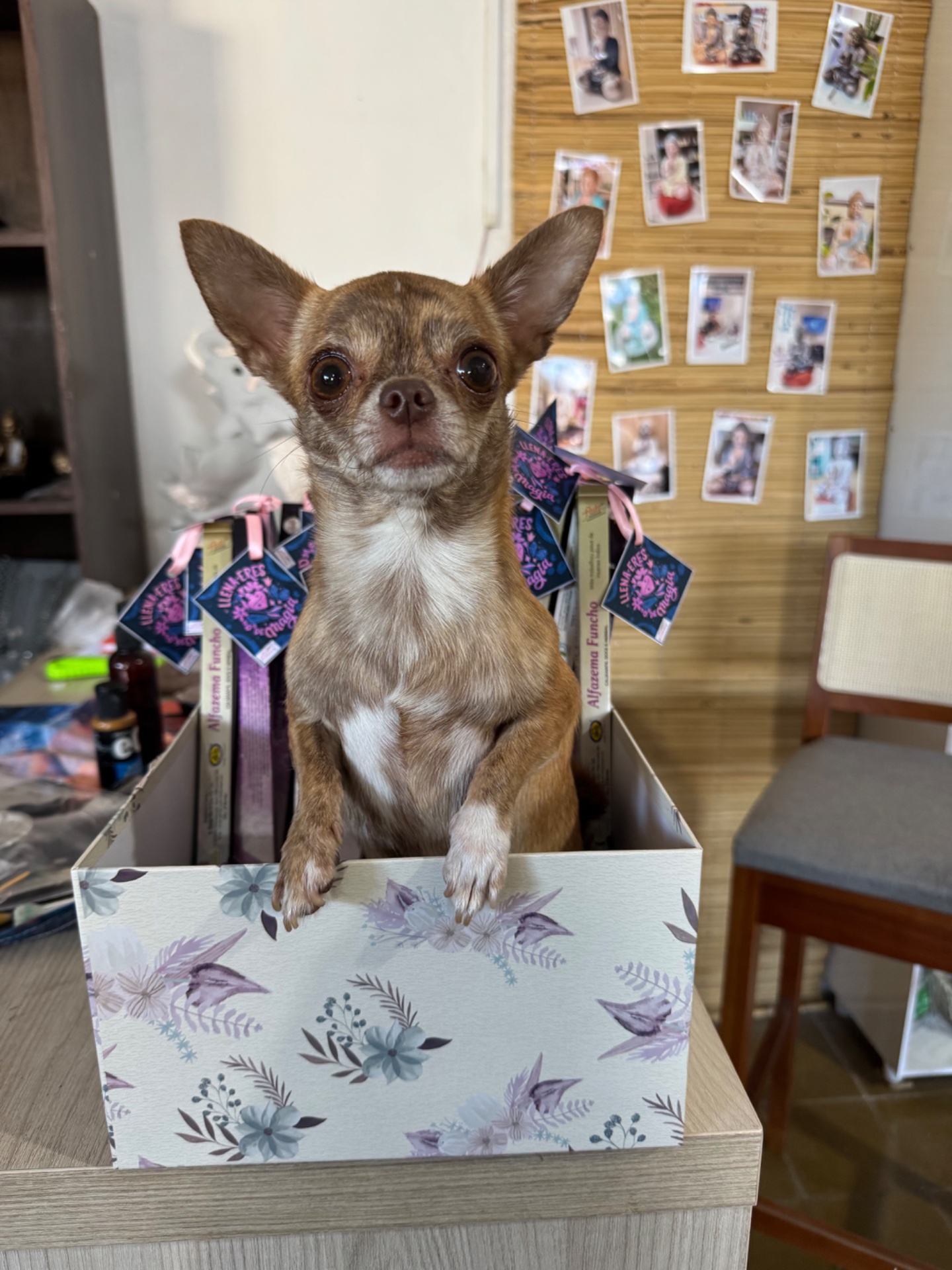
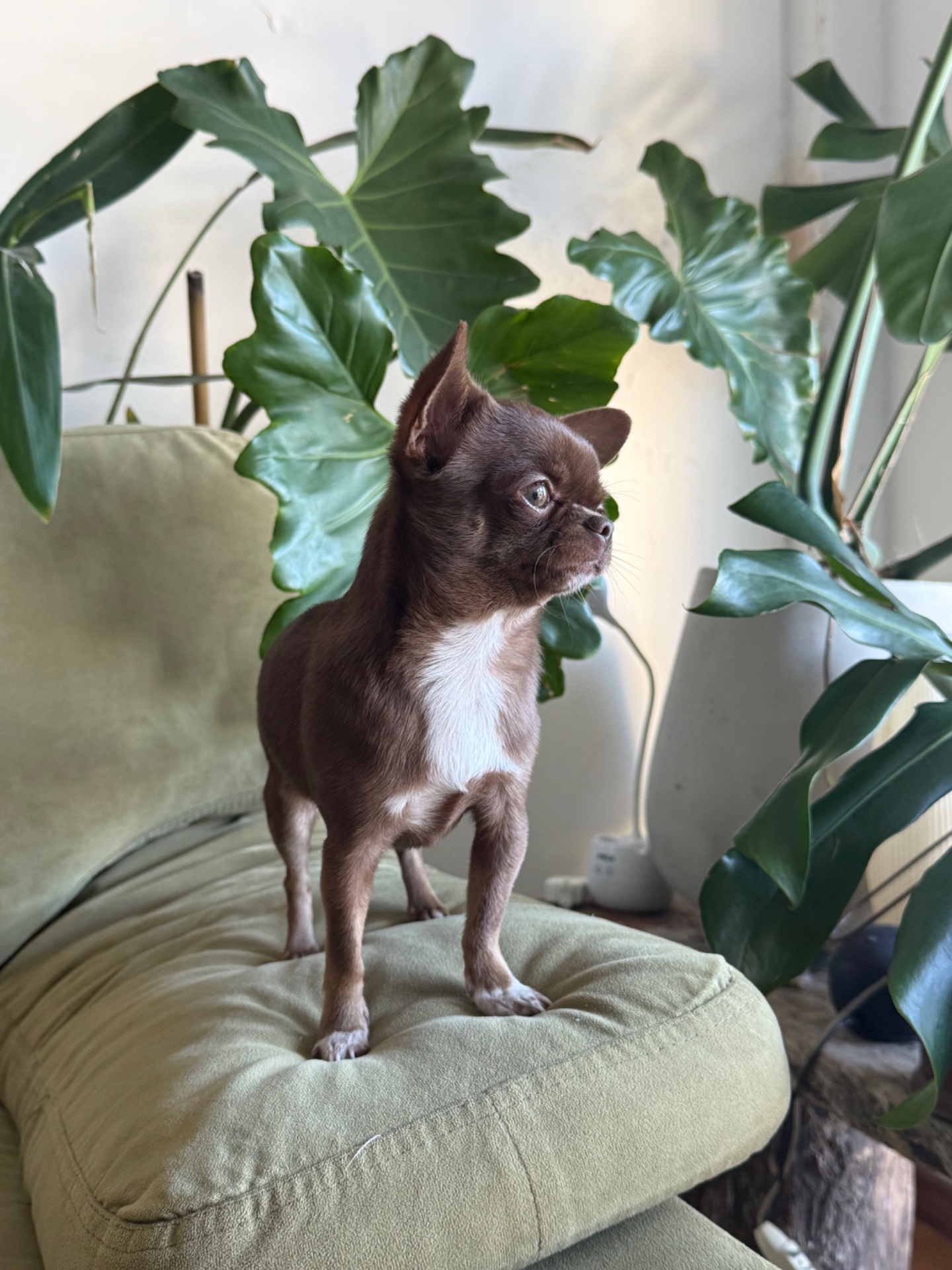
Romeo, who is 4, and Lorenzo, who is 2, are both smooth-coated apple heads, and like every Chihuahua they shed. Nobody in our house is allergic, so I can’t tell you that a Chihuahua is safe for you. What I can tell you is what the allergists say: there’s no allergy-proof dog, only allergen levels you can lower and reactions you can learn about before making a 15-year commitment.
If your heart is set on a Chihuahua and you have allergies, start with an allergist, spend time with the actual dog and set up your home with a dog-free bedroom and good filters. Plenty of people find a way. The goal is to find out whether you’re one of them before a little dog depends on the answer.