Male vs Female Chihuahua: Size, Personality, Marking and Heat
Male vs female Chihuahua: real size differences, personality myths, marking, humping and heat cycles, plus how to choose the right puppy for your home.
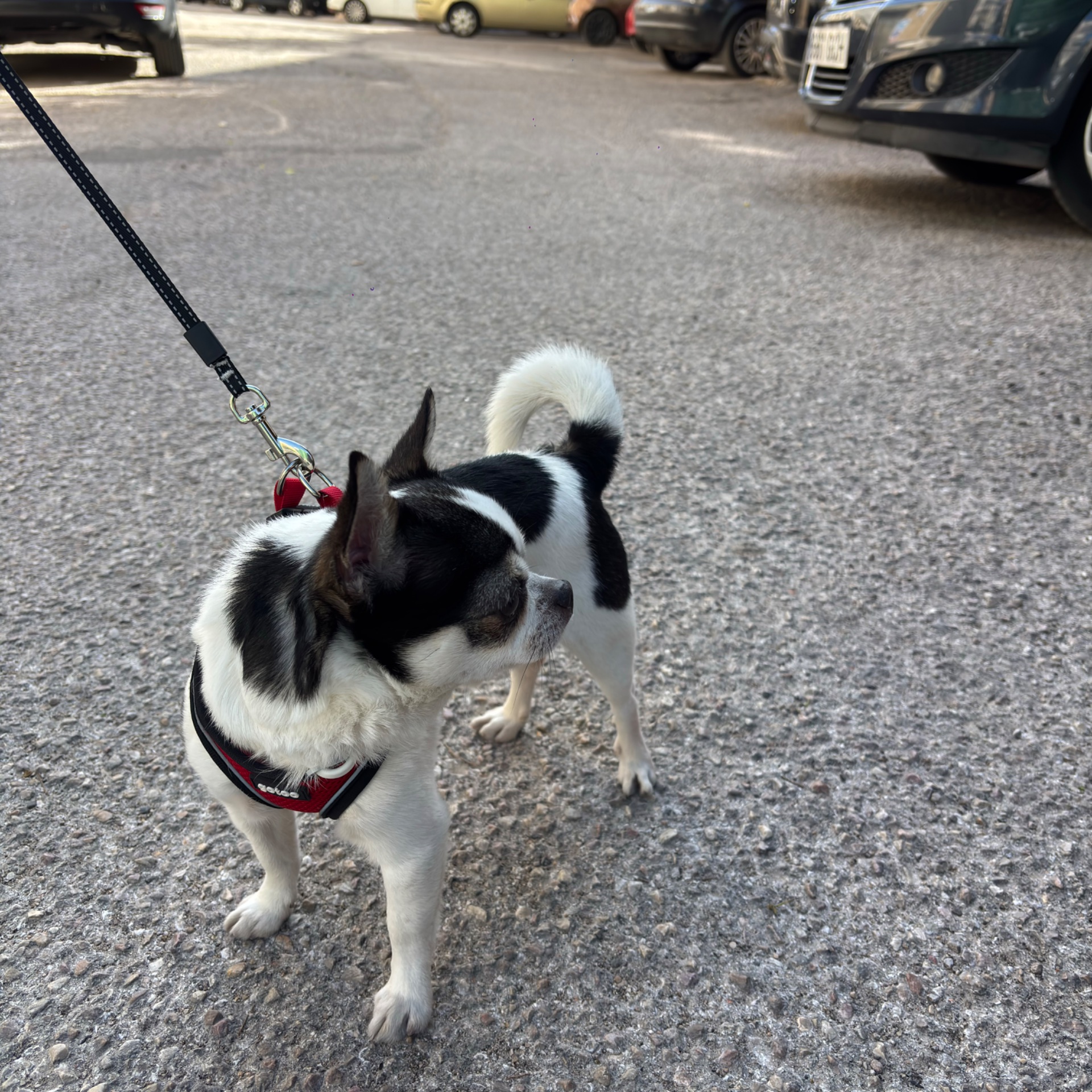
The male vs female Chihuahua question comes up with almost every puppy inquiry. People have heard that girls are sweeter, that boys are more loyal, that males pee on everything and females are moody. Some of that has a grain of truth. A lot of it is folklore that doesn’t hold up once you meet a few dozen Chihuahuas of each sex.
Here is what actually differs, what doesn’t, and how to make the choice without relying on myths.
Is there a real size difference?
A small one, at most, and it shows up as a tendency rather than a rule. In many breeds males run a little larger, and Chihuahuas often follow that pattern. But the AKC breed standard gives a single weight limit for both sexes, not exceeding 6 pounds (2.7 kg), and the range of real-life pet Chihuahuas, roughly 3 to 7 pounds, overlaps completely between boys and girls.
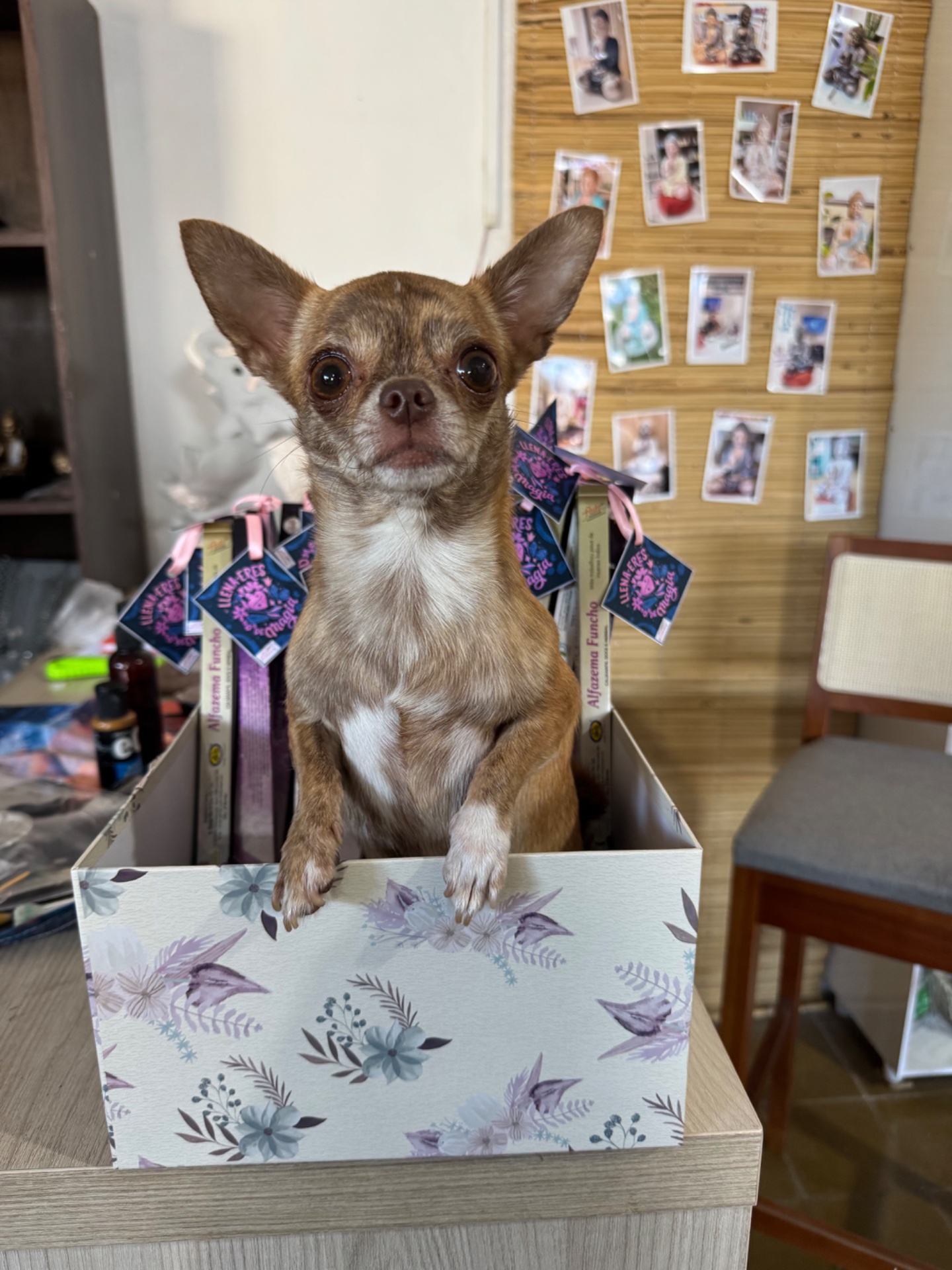
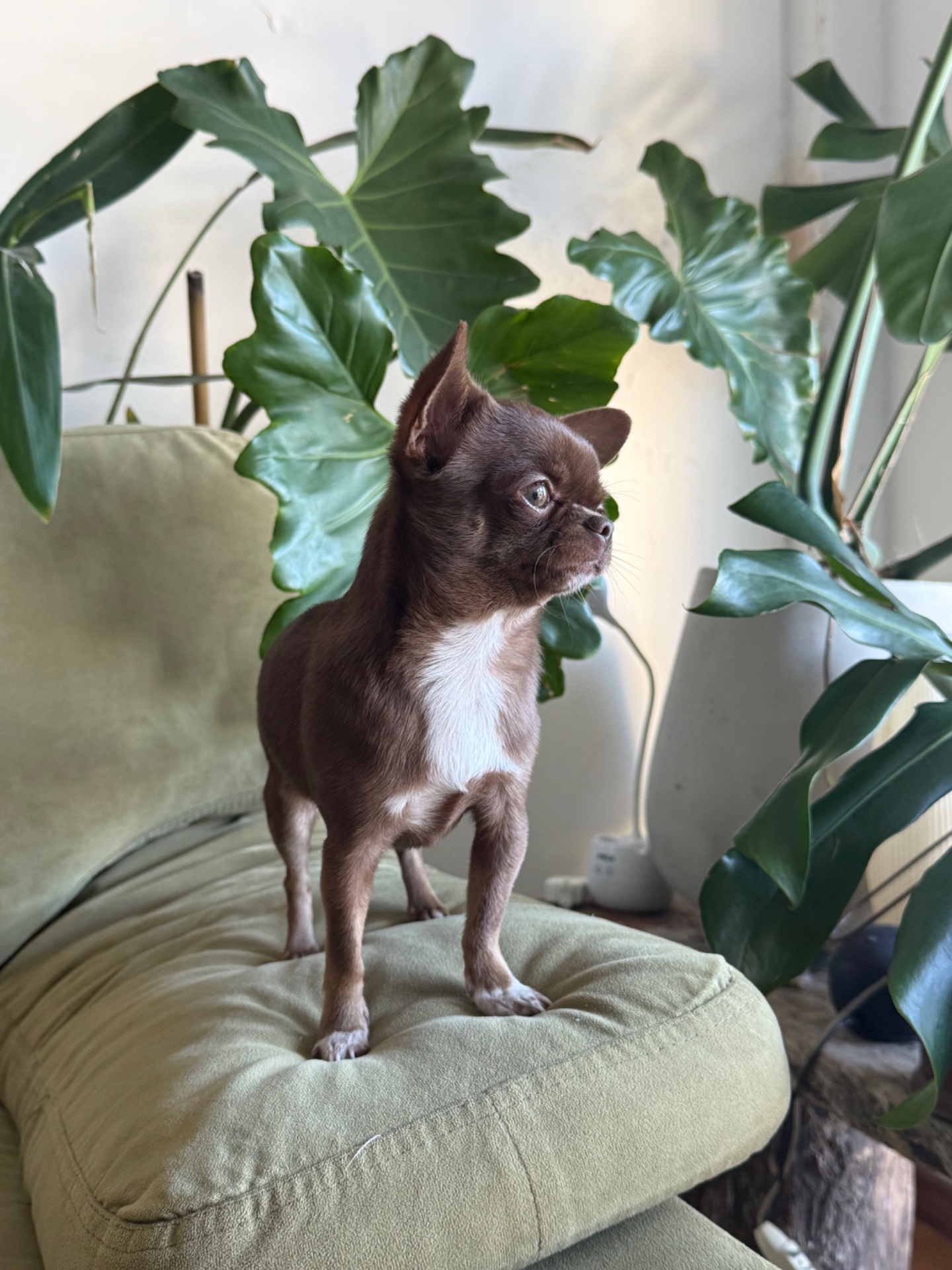
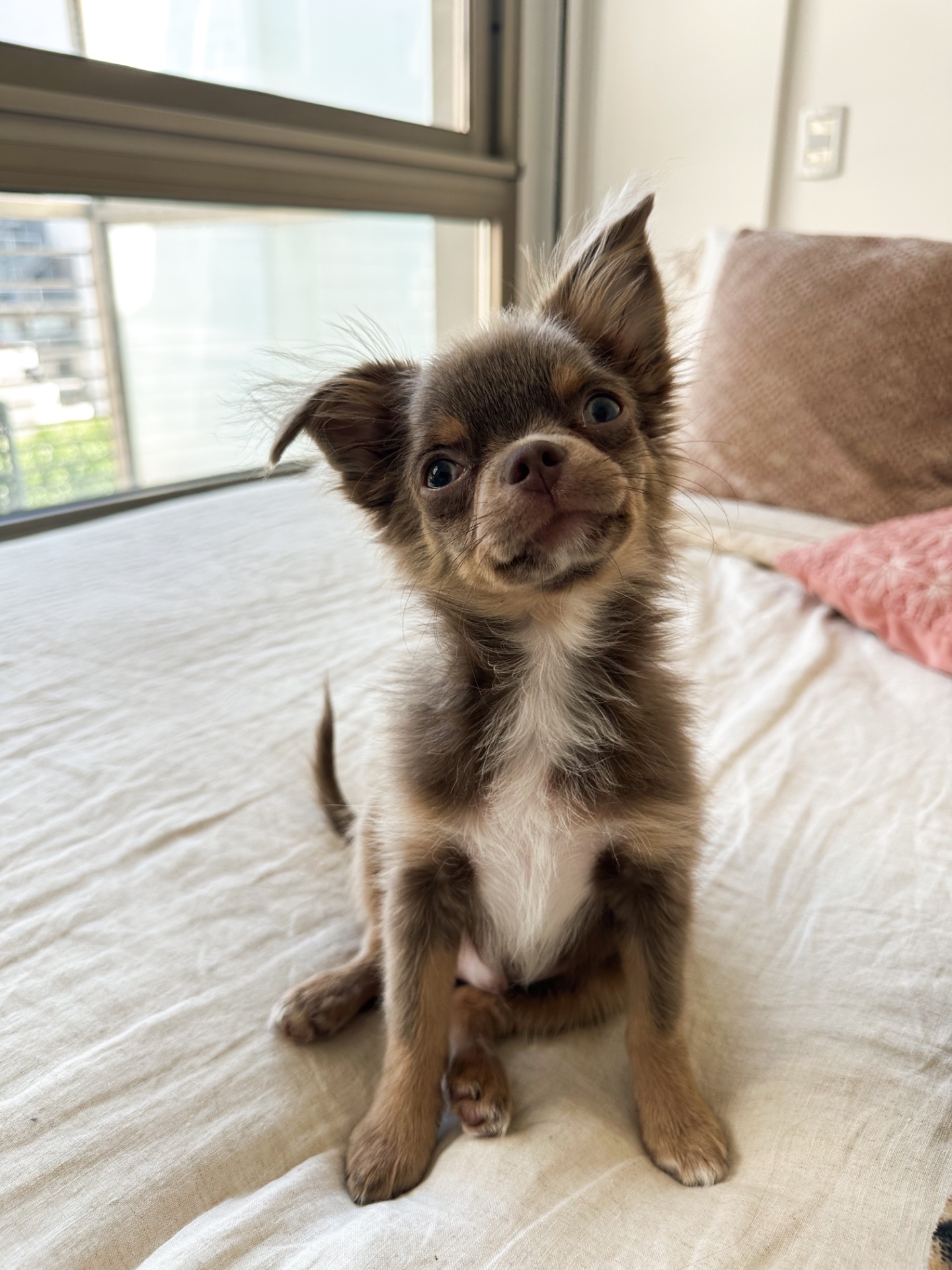
If size matters to you, look at the parents. A female from large parents will usually outgrow a male from small ones, and a Chihuahua weight calculator applied at 12 to 16 weeks narrows it down further. In our own house, both dogs are male and they weigh almost the same: Romeo 5.3 pounds, Lorenzo 5.1.
Male vs female Chihuahua at a glance
| Male | Female | |
|---|---|---|
| Adult size | Sometimes slightly larger; ranges overlap | Sometimes slightly smaller; ranges overlap |
| Personality | Varies by individual | Varies by individual |
| Urine marking | More common, especially if intact | Less common, but possible |
| Humping | Common, in both intact and neutered dogs | Also happens, often during play or excitement |
| Heat cycles | None | About twice a year if not spayed |
| Spay or neuter surgery | Neuter: removal of the testicles | Spay: abdominal surgery to remove ovaries, usually uterus too |
| Reproductive health to watch | Retained testicles (cryptorchidism) | Pyometra (uterine infection) and mammary tumors if unspayed |
Temperament: myths vs what we actually see
You’ll read plenty of confident claims online: males are more affectionate, females more independent, males more playful, females more protective. We haven’t found good evidence that any of those hold specifically for Chihuahuas, and we’d be wary of any article that quotes percentages without a study behind them.
What does shape a Chihuahua’s personality:
- Genetics. Calm, confident parents tend to produce calmer puppies.
- Early socialization. A puppy who meets people, sounds and gentle dogs before about 14 weeks grows into a steadier adult.
- Hormones. Intact dogs of either sex can be more distractible and driven, especially around females in heat.
- Age. A two-year-old and a ten-year-old are different dogs, whatever their sex.
Our own house is the best argument we know. Romeo and Lorenzo are both male apple-head Chihuahuas of nearly identical weight, and they could hardly be more different: Romeo is calm, sleepy and sociable, Lorenzo is electric, alert and intense. Same sex, same breed, opposite personalities. For a fuller picture of what Chihuahuas share regardless of sex, see our guide to Chihuahua temperament.
Marking and humping
Leg-lifting
Urine marking is not the same as a potty accident. It’s a small amount of urine left on vertical surfaces, like a door frame, a sofa leg or a new bag on the floor, as a scent message. Intact males are the most frequent markers, but neutered males and females can do it too, especially when a new dog, a move or a visitor’s luggage shakes up the household.
What helps:
- Neutering. It often reduces marking, particularly when done before the habit sets in. It is not a guarantee.
- Thorough cleaning with an enzymatic cleaner, so the spot doesn’t keep calling them back.
- Supervision and management in the first months, including a belly band for males who keep marking indoors.
- Solid house training. Our guide on how to potty train a Chihuahua covers the routine that prevents most indoor accidents.
Humping
Humping embarrasses owners, but it’s rarely about sex. Dogs of both sexes, spayed or neutered or not, hump when they are excited, overstimulated, stressed or trying to start a game. If it becomes a fixation, interrupt calmly, redirect to a toy or a sit, and keep play sessions shorter.
What do you need to know about heat cycles?
An unspayed female Chihuahua goes into heat (estrus) on a cycle, usually about twice a year. During heat you’ll typically notice:
- A swollen vulva and bloody discharge, often for around two weeks.
- More licking of the area, more frequent urination, and sometimes restlessness or clinginess.
- Intense interest from every intact male in the neighborhood.
She can get pregnant during this time, and a pregnancy in a dog this small should only ever be planned with a vet, never left to chance. Many owners use washable dog diapers to manage the discharge at home. We cover timing, signs and care in more detail in our guide to the Chihuahua heat cycle.
There is also a health reason to plan ahead. The Merck Veterinary Manual describes pyometra, a bacterial infection of the uterus in unspayed dogs that tends to appear 4 to 6 weeks after a heat and can progress quickly. Lethargy, poor appetite, drinking and urinating more, or vomiting in an unspayed female after her heat is a reason to call your vet the same day.
Health differences in males
The most breed-relevant one is cryptorchidism, a testicle that never descends into the scrotum. The Merck Veterinary Manual lists the Chihuahua among the breeds in which it is commonly seen, and recommends neutering affected dogs because of an increased risk of testicular cancer. If you are looking at a male puppy, ask the breeder or your vet whether both testicles have descended.
Spay and neuter: is there a difference?
The two procedures are different surgeries. Neutering a male removes the testicles. Spaying a female removes the ovaries, and usually the uterus, through the abdomen, which makes it the more involved operation. Prices vary so much by clinic and region that we won’t quote a number; ask your vet for a written estimate for your dog, including anesthesia, pain medication and the follow-up visit.
The right timing is also a conversation to have with your vet, who can weigh your dog’s size, health and household. This article is general information and doesn’t replace veterinary advice.
How to choose between a male and a female
Rather than starting from sex, start from the dog in front of you:
- Meet the parents, or at least the mother. Her temperament is your best preview.
- Watch the puppy with its littermates. Look for one who recovers quickly from a surprise and comes back to people.
- Think about the dogs already at home. Two intact males can clash, and an intact male plus an unspayed female means managing every heat. Plan to spay or neuter, or plan very carefully.
- Decide what you can live with. Leg-lifting to train out, or heat cycles to manage until spaying? That’s often the real deciding factor.
- Consider an adult dog. With a rescue, you can see the personality and the house manners already formed, whatever the sex.
And if you have already settled on a girl, our list of female Chihuahua names has plenty of ideas.
Our take
Romeo and Lorenzo are our everyday reminder that a sex is not a personality: two males, one calm and sleepy, the other electric and intense. That’s the lesson we’d pass on. Pick the Chihuahua whose personality fits your life, plan sensibly for spaying or neutering, and the sex will matter far less than you expected.