Long Haired Chihuahua: Coat, Grooming, Shedding and Care Guide
The long haired Chihuahua is the same breed in a softer coat. Coat genetics, when the full coat comes in, shedding, grooming, size, health and cost.
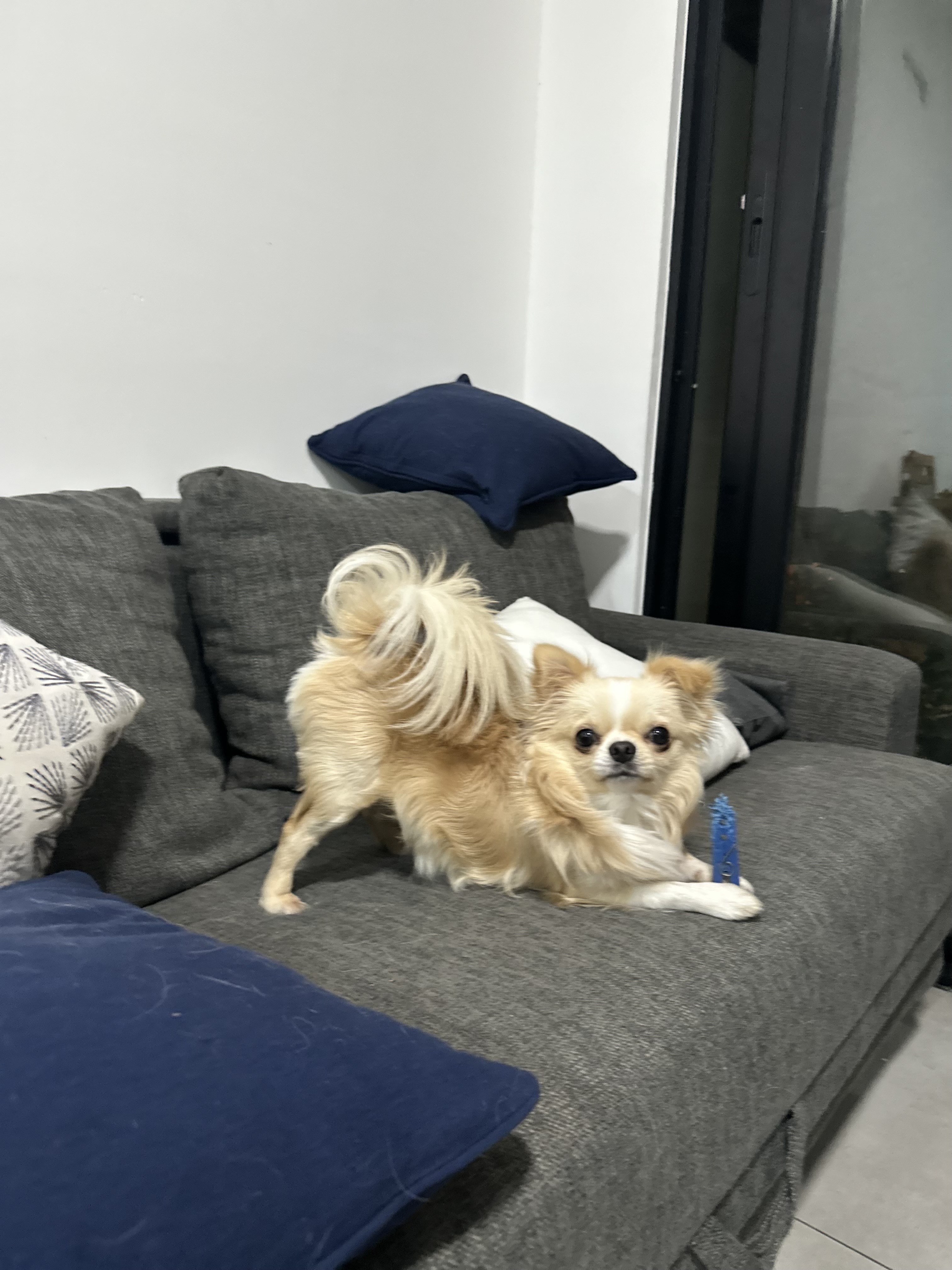
A long haired Chihuahua is not a different breed, a mix or a “rare type.” It’s the same Chihuahua you know, wearing the other official coat: soft, flat or slightly wavy, with fringed ears, a plumed tail and feathering on the legs. Everything else, from size to temperament to health, follows the same breed standard. What changes is your brushing routine, and that’s what most of this guide is about.
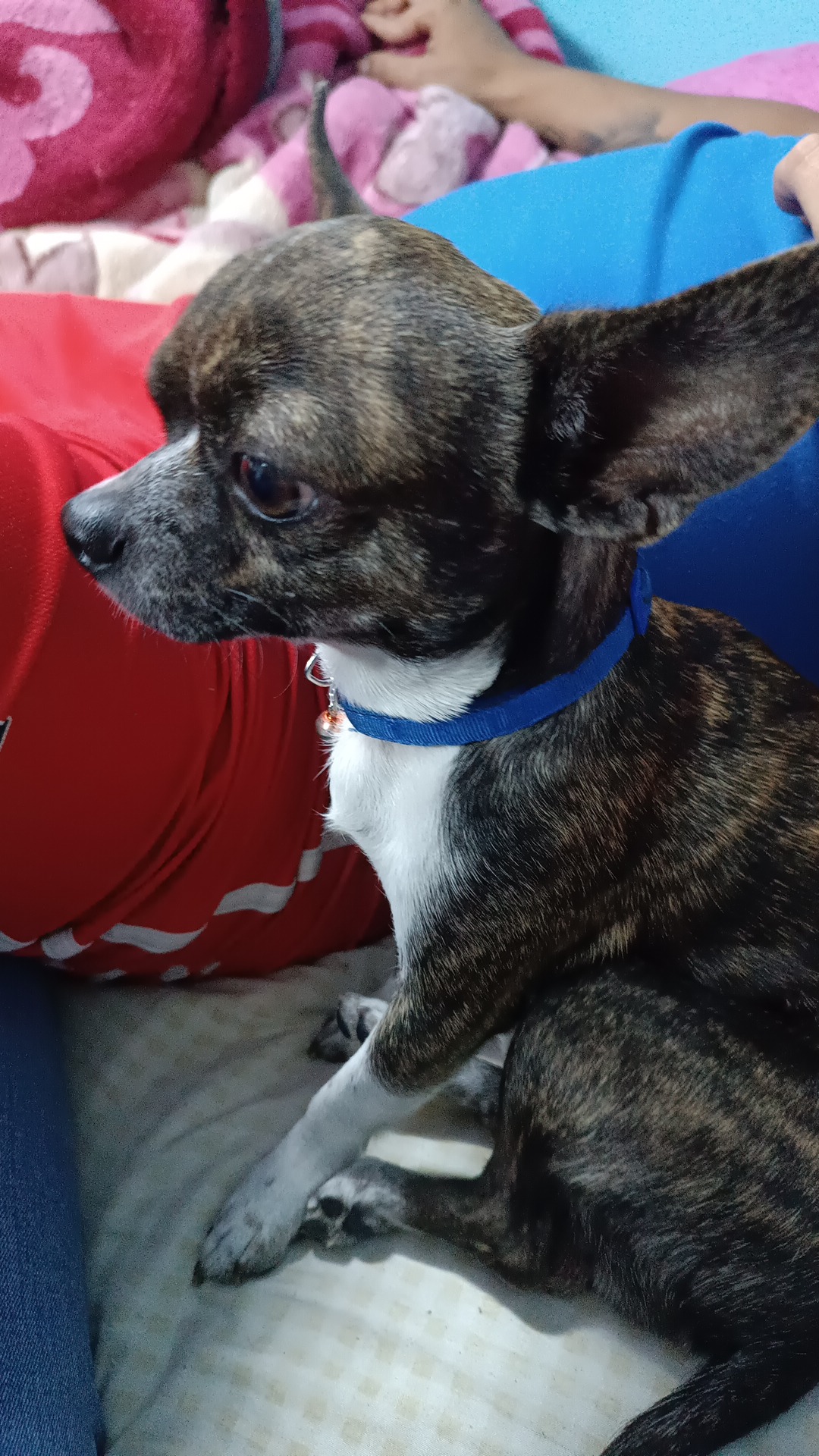
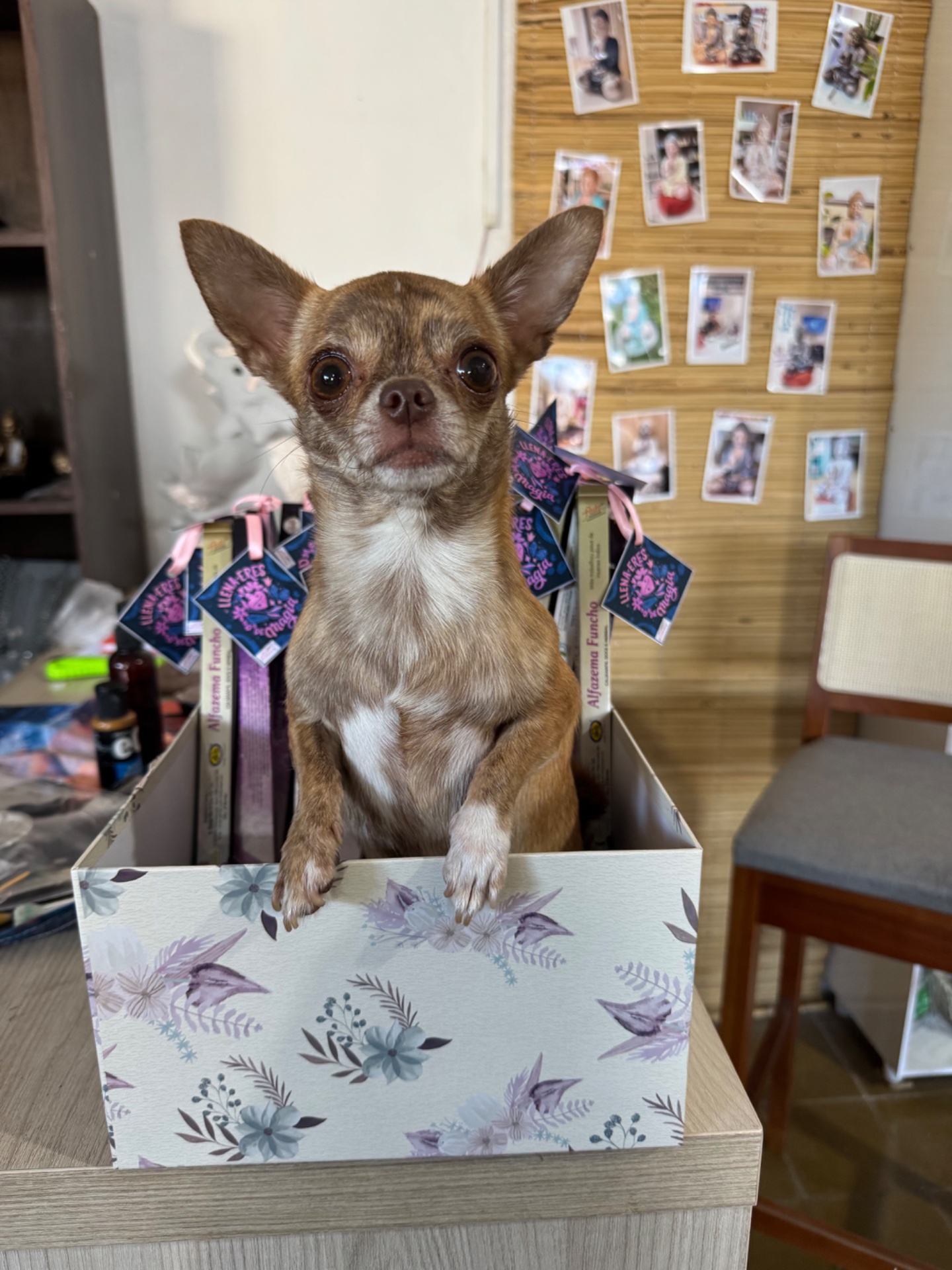
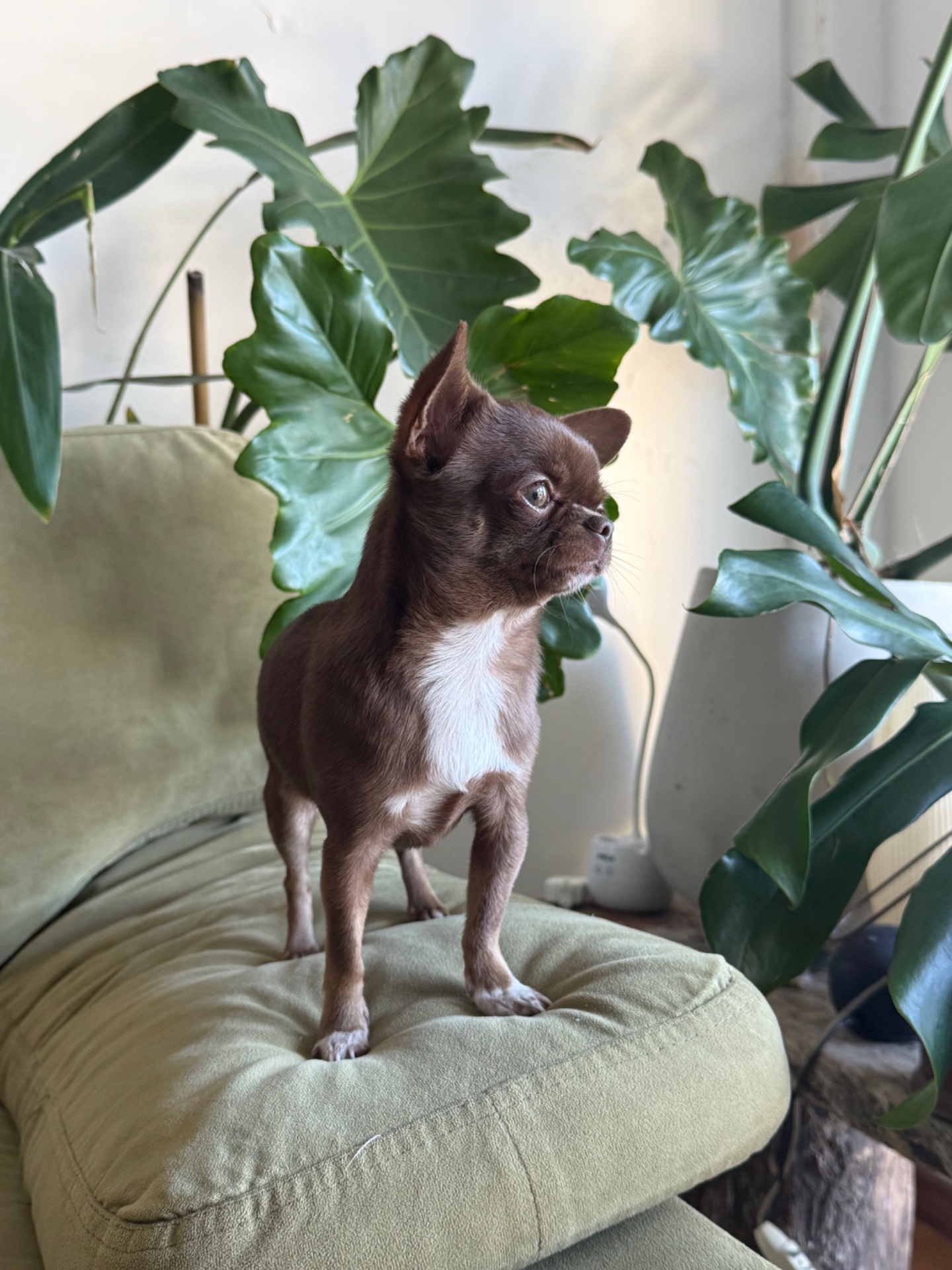
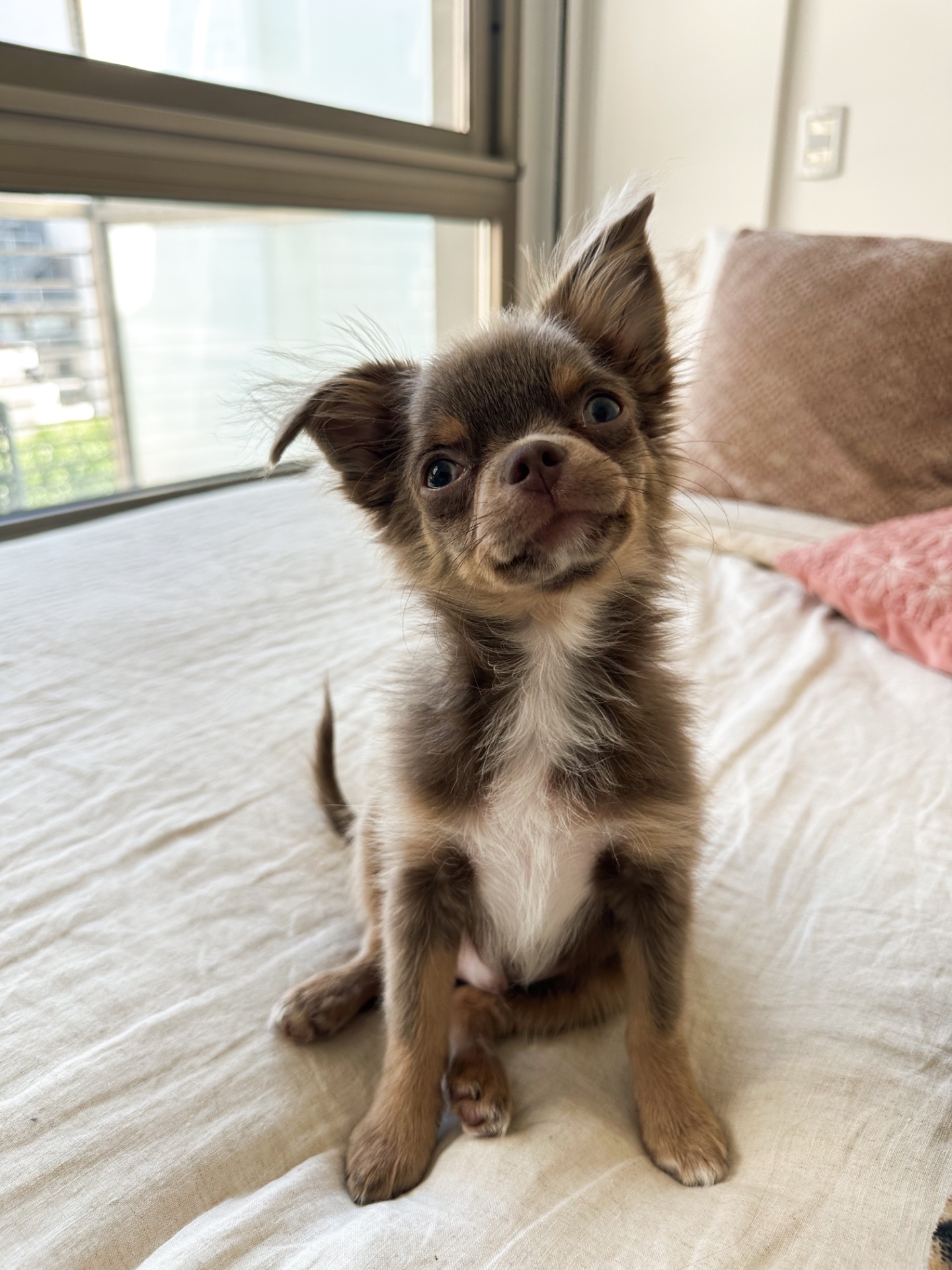
In our club, 25 of the 161 published members are long coats, and the cover photo is one of them: Peanuts, a cream and white apple head from Buenos Aires whose family describes him as calm, very affectionate, a little shy and a professional sock thief.
Same breed, two coats
The American Kennel Club recognizes two coat varieties in the Chihuahua: the smooth coat and the long coat. The official AKC breed standard describes the long coat as soft in texture, “either flat or slightly wavy, with undercoat preferred,” with fringed ears, a full plume of a tail, pants on the hind legs and a large ruff on the neck.
Here is how the two varieties compare in practice:
| Long coat | Smooth coat | |
|---|---|---|
| Hair | Soft, flat or slightly wavy | Short, close, glossy |
| Ears | Fringed | Smooth, hair more scanty |
| Tail | Full plume | Furry but short haired |
| Brushing | At least once a week, more during molts | Occasional, more during molts |
| Size limit (AKC) | Not over 6 lb (2.7 kg) | Not over 6 lb (2.7 kg) |
| Temperament | Same standard | Same standard |
| Head type | Apple or deer | Apple or deer |
The AKC’s own history of the breed adds a detail that surprises people: many early imports were long coats, and the idea that they were bred out of Pomeranians or Papillons isn’t true. The long coat is a true variety of the breed. The two coats were split into separate show varieties in 1952.
Head shape is a separate question, and so is color: long coats come in every one of the Chihuahua coat colors a smooth coat does. A long haired Chihuahua can have an apple head, like Peanuts, or a longer deer head profile. We have both in the club.
How does the long coat gene work?
The long coat is recessive. The Chihuahua Club of America explains it in its coat length genetics guide: the smooth coat gene is dominant and completely hides the long coat gene. The gene involved in many breeds is called FGF5, and a dog needs two copies of the long coat version to grow long hair.
What that means for real litters:
- Two long coats can only produce long haired puppies, because neither parent has a smooth gene to pass on.
- A smooth coat that carries a hidden long gene, bred to a long coat, can produce both types in the same litter.
- Two smooth coats that both carry the hidden gene can surprise their owners with a long haired puppy.
- A smooth coat with two smooth genes will only produce smooth puppies, whatever the other parent is.
A DNA test can tell whether a smooth coat carries the long gene. For a pet owner it’s a curiosity; for a breeder it’s planning.
When does a long haired Chihuahua get its full coat?
Slowly, and later than most new owners expect. A long coat puppy usually looks fluffy rather than feathered. Around the time the puppy coat changes for the adult one, many owners go through a scruffy, in-between stage where the dog looks almost thin coated and they wonder whether they were sold a smooth.
The signs that tell you early are the ear fringes and the tail: on a long coat puppy, the hair at the edges of the ears and along the tail starts to lengthen first. The body coat, the ruff and the “britches” (the pants on the back of the hind legs) keep filling in for a long time after that. Breeders commonly say the full adult coat takes until somewhere between 18 months and 2 or 3 years, and bloodline matters more than any calendar.
If your puppy’s coat seems thin at 6 or 8 months, give it time. If the coat is thin together with bald patches, flaky skin or itching, that’s a different story and a vet visit.
Do long haired Chihuahuas shed more?
Not really, at least not in a way you’ll notice on your couch. Both coats go through the same cycle, with heavier molts in spring and fall and steady light shedding the rest of the year. The difference is where the hair ends up:
- Smooth coat: short, stiff hairs fall freely and weave themselves into fabric.
- Long coat: loose hair tends to get caught in the coat itself until a brush pulls it out. During a molt, that trapped hair is exactly what turns into mats if nobody removes it.
So the honest answer is that a long coat doesn’t leave more hair around the house, but it does ask more of you with the brush. Our full guide on whether Chihuahuas shed explains the seasons and the signs that shedding has become a skin problem.
A grooming routine that actually works
The AKC breed page recommends brushing a long haired Chihuahua at least once a week to avoid tangles and mats. In molting season, every day or every other day is easier than one long battle at the weekend. The standard itself sets the tone: the Chihuahua “should be groomed only to create a neat appearance.” No sculpted trims, no show-ring styling needed at home.
What you need
- A soft slicker brush or a pin brush for the body.
- A fine metal comb to check for tangles after brushing.
- Small round-tipped scissors for paws and sanitary trims.
- Nail clippers, a dog toothbrush and dog shampoo.
Step by step
- Brush on dry hair only. Damp tangles tighten.
- Work in sections, from the skin outward, following the direction of the hair. If the comb glides through afterward, you’re done with that area.
- Ears first. The fringes are fine and knot easily, especially behind the ears where a collar or harness rubs.
- The britches. The pants on the back of the hind legs collect debris and, in some dogs, stool. Comb them gently every session.
- Armpits and chest. The other common mat zones, because they bend and rub as he walks.
- Trim the paws. Cut the hair between the pads level with the pads. It improves grip on smooth floors and keeps burrs and mud from balling up.
- Sanitary trim. A short, neat trim around the rear and under the belly is about hygiene, not looks.
- End with a treat. Five calm minutes beat a half-hour wrestling match.
Never shave him
It’s tempting in a hot summer, but don’t shave a long haired Chihuahua. The coat protects thin skin from sun and helps a tiny dog that already loses heat easily. On some dogs a shaved coat also grows back patchy or with a different texture. Shade, fresh water and staying indoors in the heat of the day do far more for him than clippers. For the trims that do make sense, like paw and sanitary cuts, see our Chihuahua haircut guide.
Temperament: does coat change personality?
You’ll read that long coats are “calmer” or “sweeter” and smooth coats more “terrier-like.” Some breeders sincerely believe it, but there’s no evidence that the coat gene shapes personality. The breed standard describes one temperament for both varieties: alert, confident, self-reliant. What actually shapes your dog is his parents, early socialization and daily life with you. Peanuts is calm and shy; plenty of long coats in the club are the opposite.
How big do long haired Chihuahuas get?
Exactly as big as smooth ones. The AKC standard calls for a dog not exceeding 6 pounds (2.7 kg), and that limit applies to both coats. The FCI standard, used in much of the world outside the US, sets an ideal weight of roughly 3.3 to 5.5 pounds (1.5 to 2.5 kg). Many pet Chihuahuas weigh more than the show limit, and that’s not a health problem in itself as long as they’re lean.
The coat plays a trick here: a long coat looks bigger in photos and smaller in the bath. Weigh him rather than eyeballing him.
Health: same breed, plus a few coat-related chores
A long haired Chihuahua inherits the same health profile as any Chihuahua: luxating patella, dental disease, heart murmurs with age, hypoglycemia in tiny puppies, and the other breed issues every Chihuahua owner should know. The AKC recommends that breeders screen for patella, cardiac and eye problems, whatever the coat.
What the coat adds:
- Mats. They pull on the skin, trap moisture and can hide irritation or hot spots underneath.
- Hidden skin problems. Fleas, scabs and redness are harder to spot under feathering. Part the hair while you brush.
- Hidden weight gain. VCA Hospitals points out that obesity can go unnoticed under a long coat. Feel his ribs, don’t just look.
- Things caught in the coat. Burrs, grass seeds and foxtails love fringed ears and paws. Check after every walk in tall grass.
- Hygiene around the rear. Stool caught in the britches irritates skin if it’s left there.
This article is informational and doesn’t replace a consultation with your vet.
Do long haired Chihuahuas cost more?
Sometimes, because some sellers charge extra for the fluffier look. There’s no health or breed reason for that premium: the coat is a variety, not a mark of extra quality. Price varies widely by region, breeder and bloodline, so I won’t give you a number that would be wrong where you live.
What should move the price is health testing on both parents, a clean contract and good early socialization. Those are the things worth paying for, not the length of the hair. And don’t skip rescues: long haired Chihuahuas turn up in shelters and breed rescues more often than people think.
Long haired Chihuahua or Pomeranian?
They get confused all the time in photos. In short: a Pomeranian has a dense coat that stands off the body like a pom-pom and a fox-like face, while a long haired Chihuahua has a softer coat that drapes, so you can still see the body shape, plus larger eyes and, in apple heads, a rounded dome. We break down all five differences in long haired Chihuahua vs Pomeranian. If you want to see every coat and head combination with photos of real club dogs, the types of Chihuahua page has them side by side.
From my house to yours
I’ll be honest with you: at home there’s no long coat. Romeo, my 4-year-old cream apple head, and Lorenzo, my 2-year-old fawn apple head, are both short haired, so the brushing advice here comes from the breed standard, from veterinary guidance and from the long coats who fill our club’s directory, not from my own couch.
What I can tell you from living with two Chihuahuas is that the coat is the least of it. A long haired Chihuahua will follow you from room to room, choose one human above all others and bark at the mail carrier exactly like a smooth one. He just comes with a softer outline and a weekly date with the brush.