
Do Chihuahuas Shed? Causes, Seasons and Solutions
Yes, Chihuahuas shed. How much is normal, why they molt in spring and fall, and how to tell healthy shedding from a skin problem worth a vet visit.
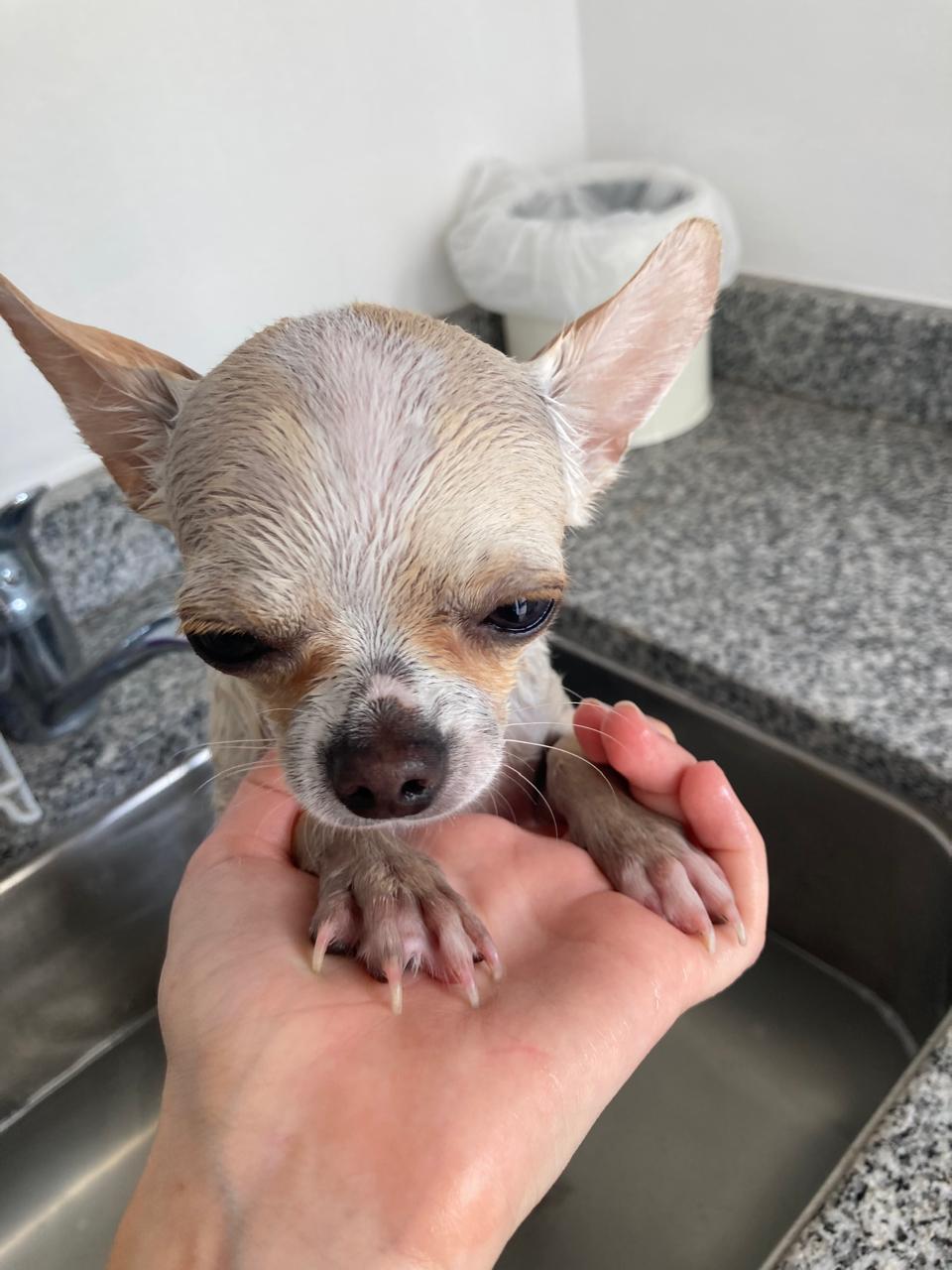
One of the questions that lands in my inbox most often is some version of this: “do Chihuahuas shed, and is all this hair normal?” I get it, because when your shirt is covered in tiny hairs and the vacuum canister fills up suspiciously fast, the alarm feels real. The short answer is yes, Chihuahuas shed a surprising amount for their size, and part of it is completely natural. The long answer, with all the caveats and warning signs, is what I want to walk you through today.
At home I live with Romeo and Lorenzo, both short-haired, and I can promise you the idea that “small dog equals no hair” could not be further from the truth.
Why such a small dog drops so much hair
A Chihuahua’s coat, like any dog’s, runs through a cycle with four phases: growth, transition, rest, and shedding. When a follicle enters the resting phase, the old hair loosens and falls to make room for a new one. This happens every single day, quietly. When many follicles sync up at once, what you see is full-blown seasonal molting.
A three-kilo Chihuahua has surprisingly dense hair per square centimeter, especially along the back, the flanks, and the base of the tail. That’s why the feeling that “she sheds more than she’s worth” is actually correct. You’re not imagining it.
Is it normal for a Chihuahua to shed this much?
Yes, within limits. Most go through two heavy molts a year, lining up with spring and fall. In spring they ditch the winter coat; in fall they swap the fine summer hair for something a bit thicker. In between, they shed steadily but lightly.
A couple of caveats, because expectations change with coat type:
- Short-haired Chihuahuas shed year-round, in small amounts, with two clear peaks in spring and fall.
- Long-haired Chihuahuas molt more visibly during those two seasons, but between them the loose hair gets trapped in the coat and it looks like they “shed less.”
- Puppies swap their baby coat for the adult one between 4 and 8 months. Another phase of extra hair everywhere.
Both varieties are official, by the way: the American Kennel Club’s breed page recognizes the smooth coat and the long coat as the two accepted types. If you want to dig into the differences between them, I cover it in detail in types of Chihuahua: short and long coats are cared for differently and shed differently too.
Normal shedding vs abnormal shedding
Not all hair loss is physiological, and learning to tell the two apart saves you a lot of worry. This is the table I use as a quick reference.
| Criterion | Normal shedding | Abnormal shedding |
|---|---|---|
| Amount | Rises in spring and fall, then drops | Very heavy, sudden or constant |
| Areas | Spread over the whole body | Concentrated (patches, symmetrical bald spots) |
| Skin | Pink or lightly pigmented, no lesions | Red, with scabs, thick dandruff, or wounds |
| Behavior | Calm dog, tolerates brushing | Scratches, licks insistently, smells off |
| Hair that falls | Healthy, shiny, clean root | Brittle, dull, sometimes with an inflamed bulb |
If everything sits in the left column, breathe easy. If two or more signs from the right show up, it is worth a vet visit.
Abnormal causes of hair loss
When shedding stops looking like shedding and starts looking like a problem, one of these usually sits behind it.
- Allergies (food or environmental): they cause itching, thin patchy hair from licking, and sometimes dark skin spots.
- Fungal infections like ringworm: circular hairless zones with reddened edges, mostly on the face, ears, and paws.
- External parasites: fleas, lice, or mange (demodex, sarcoptic). Demodectic mange in puppies often starts around the eyes.
- Stress or anxiety: moving house, a new baby, routine changes. The dog may drop diffuse hair with no other explanation.
- Hormonal problems: hypothyroidism and Cushing’s syndrome cause alopecia in adult Chihuahuas, symmetrical on the flanks or trunk, with thin skin.
- Nutritional deficiency: diets low in good fats or poor-quality protein leave the coat dull and shedding heavily.
- Color dilution alopecia: affects blue Chihuahuas especially. It shows up between 6 months and 3 years, with thin hair that does not grow back.
All of this falls under what the MSD Veterinary Manual covers as skin disorders of dogs, and it needs a real diagnosis with a skin scraping, culture, or bloodwork. Guessing does not cut it.
Red flags: when not to wait
There are three situations where I wouldn’t let a week pass before calling the vet:
- Bald patches, especially symmetrical ones or ones with sharp edges.
- Intense itching that breaks the dog’s rest or makes him bite himself raw.
- Sudden generalized loss over a few days, outside molting season and with no obvious change in food or environment.
Add any change in body odor, thick dandruff, pustules, or skin color changes. None of those signs is normal.
A brushing routine by coat type
Brushing does not “cause” shedding; what it does is bring the loose hair forward and, along the way, spread the natural oils. At home, with two short-haired Chihuahuas, I follow this simple routine.
- Pick the right brush. For short coats, a rubber grooming mitt or a short-bristle brush. For long coats, a soft slicker and a fine metal comb.
- Base frequency. Short coat: twice a week outside molting, daily during a molt. Long coat: three to four times a week outside molting, daily during a molt.
- Direction and pressure. Always with the grain, soft pressure. Chihuahua skin is very thin and irritates easily.
- Time. Five minutes is plenty if you do it daily. Longer sessions tire them out and turn brushing into something unpleasant.
- Sensitive areas. Belly, armpits, and groin at the end, very carefully.
- End on a treat. A small piece of their usual food or a long cuddle. We want the brush to be a good thing.
SleekEZ deshedding brush
★ 4.6 · 36,500 valoraciones
Most deshedding tools are built for undercoat, which a short-haired Chihuahua doesn't have — using one is uncomfortable and pointless. This is a toothed bar that lifts loose surface hair instead of raking down into a coat that isn't there. 36,000 ratings and over 20,000 sold a month put it well past the point where the score could be gamed.
Ojo: Wrong tool for a long-haired Chihuahua — that coat needs a pin brush and a comb, not this. And go gently: the skin under a short coat is thin, and pressing hard leaves the dog sore and unwilling next time.
Check the brush on Amazon →The bath: less is more
A mistake I see all the time: bathing the Chihuahua every week thinking it will make her “shed less,” and getting the opposite, irritated skin, a broken oil layer, and more shedding.
- Frequency: once every 4 to 6 weeks is usually enough. For dogs with allergies, your vet may adjust the schedule.
- Shampoo: dog-specific, with the right pH. Oatmeal or aloe formulas are gentle and work well on sensitive skin.
- Lukewarm water, never hot.
- Towel-dry first, then a hair dryer on low heat at a distance. Staying damp in the undercoat is a recipe for irritation.
If you need to freshen her up between baths, reach for dog wipes and extra brushing. A good brushing does more for the coat than another bath.
Diet, omega-3, and supplements
A beautiful coat starts on the plate. A diet with identifiable animal protein as the first ingredient, good fats, and omega-3-rich oils makes a visible difference in shine and shedding, and the WSAVA global nutrition guidelines give you the questions to ask a manufacturer before you trust a bag. In what Chihuahuas eat I break down how to choose kibble and how fish oils fit into the daily ration.
On supplements, one sentence: only on veterinary advice. Omega-3 and biotin can help in specific cases, but dosing them by eye or mixing them into an already fortified food throws the diet off balance. If your vet suggests them, go ahead; if a neighbor recommends them, check first.
When to see the vet
To sum up, book an appointment if you see localized alopecia, itching that will not quit, red or scabbed skin, sudden loss outside molting season, weight loss alongside the shedding, or any behavior change. Better one “extra” visit to settle your nerves than waiting for a small problem to grow.
If you also have a puppy, here is the Chihuahua puppy care guide where I go over hygiene, vaccines, and the first months, because many coat questions are answered by laying good groundwork from the start.
This article is informational and does not replace veterinary advice.
What I see at home with Romeo and Lorenzo
I’ll close with the realest part. Romeo, my cream apple head senior, has followed the same pattern for years: in March he starts leaving short hairs all over the house and doesn’t let up until May; in September he molts again, a little shorter. He’s short-haired and still would coat the entire sofa cover if I let him. I brush him daily during those weeks and barely at all in between.
Lorenzo, my fawn apple head youngster, is short-haired too, but his molt is milder and more concentrated in spring. Maybe because he’s younger, maybe because of color, maybe genetics. Neither of them has ever had alopecia or itching, and one spring when Romeo shed more than usual, we went to the vet just in case. It was molting, only heavier that year. I left reassured, and that’s the feeling I want for you: inform yourself, observe, and trust the professional when something does not add up. Your Chihuahua’s coat is a thermometer of his health; read it calmly.
Frequently asked questions
Do Chihuahuas shed a lot?
Are Chihuahuas hypoallergenic?
How do I stop my Chihuahua from shedding so much?
Written by Belen Salto, who shares her life with Romeo and Lorenzo, two Chihuahuas. · Ver en español