
Chihuahua Colors: 12 Recognized Coats With Photos
Cream, fawn, chocolate, merle, tricolor and more: the 12 recognized Chihuahua colors with real photos. Which one is yours?
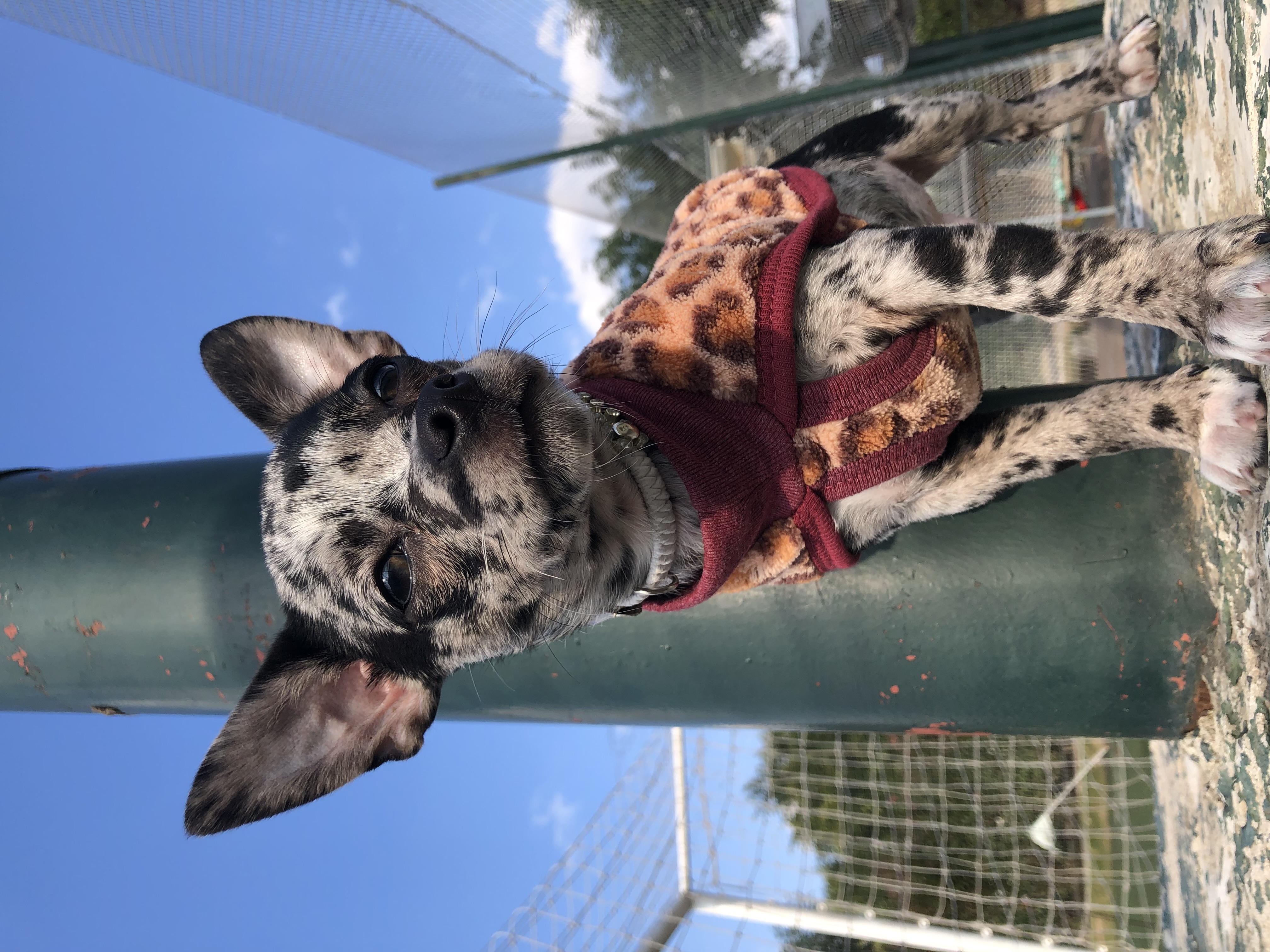
If you’ve ever wondered how many Chihuahua colors truly exist, the short answer is: more than almost any other small breed. The AKC (American Kennel Club) accepts every color, and the FCI (Fédération Cynologique Internationale) accepts nearly all of them — merle is the one exception, excluded from the FCI standard for health reasons. In practice, a Chihuahua can range from pale cream all the way to deep chocolate, passing through blue, tricolor and the controversial merle.
In this guide you’ll find the 12 main Chihuahua colors and patterns (or Chihuahua colours, if you spell it the British way), what makes each one different, how common it is, and the health note that almost nobody mentions when it matters. Bear in mind that a coat color says nothing about temperament or quality, but a few patterns do carry real health considerations.
Are there really 12 Chihuahua colors?
Practically, yes. The standard excludes no color, so the list is endless on paper. In real life, twelve colors and patterns show up often enough to be worth naming, plus a handful that are extremely rare (true albino, diluted lilac).
The important thing to understand before we go through them:
- Base color (cream, black, chocolate) and pattern (merle, brindle, sable) are two different things. A dog can be “chocolate brindle” or “cream merle.”
- The common colors are cream, fawn, black, white and chocolate.
- The rare colors are merle, blue, lilac, albino and brindle.
- Color does not affect personality, but a few patterns affect health (more on that below).
The 12 main colors and patterns
| Color / pattern | How common | Health note |
|---|---|---|
| Cream | Very common | None |
| Fawn (tan) | Very common | None |
| Black | Less common than it looks | None |
| Black and tan | Common | None |
| Chocolate | Fairly common | None |
| White | Relatively rare | Sunburn risk on pink skin |
| Tricolor / particolor | Common, very popular | None |
| Brindle | Uncommon | None |
| Blue | Rare, in demand | Color dilution alopecia |
| Lilac | Very rare | Color dilution alopecia |
| Merle | Rare | Double merle risk (deaf/blind) |
| Sable | Common, subtle | None |
Cream
Cream is the most common color and the one most people picture when they imagine a “classic” Chihuahua. It runs from almost-white to a warm golden cream, and often comes with a slightly darker mask on the muzzle and ears. Genetically it is a dominant base color, which is exactly why you see it everywhere. My own senior, Romeo Carlitos, is a textbook cream apple head.
Fawn (tan)
Fawn, also called tan or light red in some countries, is a warm shade between gold and reddish-brown. It’s extremely common and frequently confused with a dark cream. The trick to telling them apart: fawn carries reddish-orange tones, while cream leans yellow or white. My younger boy Lorenzo Pablito is a fawn apple head, a hair more caramel than Romeo.
Black
A truly solid black Chihuahua, with no other markings at all, is less common than people assume. Many dogs that pass as “black” actually carry small white or tan patches, or fall into the black-and-tan variant below. Pure, 100% solid black is genuinely on the rarer side.
Black and tan
Black and tan is one of the most recognizable patterns in the dog world: a black body with tan or caramel markings on the eyebrows, muzzle, chest and legs. You see it in Rottweilers, Dobermans and Dachshunds too. On a Chihuahua it looks especially elegant and is well regarded in the show ring.
Chocolate
Chocolate is a deep, cocoa-brown that is darker and less reddish than fawn. It is fairly common and very sought after for how rich it looks. A lovely variant is chocolate and white (a chocolate dog with a white chest or white markings), which photographs beautifully.
White
A solid white Chihuahua is relatively rare. Most dogs that look white actually carry a few cream, fawn or black patches. True white (no pigment at all) needs a little extra care: the pink skin underneath burns easily in the sun and benefits from canine sunscreen on long exposure.
Watch out: a white dog with blue eyes and a pink nose may be a partial albino, which moves into the health-concern category we cover at the end.
Tricolor / particolor
Classic tricolor carries three colors at once: white, black and tan. Particolor is similar but uses two: white with patches of a single color. This is one of the most popular patterns precisely because it’s unique to each dog. No two particolor Chihuahuas share the same map of spots, which gives every one a strong visual identity.
Brindle
Brindle is a pattern of dark stripes over a lighter base (fawn or cream). It’s less common in Chihuahuas than in Boxers, Great Danes or Mastiffs. The striping can be so subtle you barely notice it, or bold and obvious. Genetically it needs a specific allele, and two brindle parents don’t always produce brindle pups.
Blue
The Chihuahua “blue” is not blue like a parrot. It is a bluish-gray that appears when the black gene is diluted, so the skin and nose look gray rather than black. It’s relatively rare and very much in demand, which makes it pricey at breeders.
Watch out: the blue dilution is linked to color dilution alopecia (CDA), a gradual hair loss in specific areas, often starting around six months. Not every blue dog develops it, but it is worth monitoring with your vet.
Lilac (isabella)
Lilac is the dilution of chocolate (just as blue is the dilution of black). The result is a grayish, lavender-brown that is very rare and very striking, with a lavender nose and eye rims instead of brown. It needs both parents to carry the dilution gene, which makes it one of the least common colors of all. Like blue, lilac is associated with color dilution alopecia.
Merle
Merle is a pattern, not a color in itself. It produces irregular patches of diluted color over a darker base, giving that mottled, marbled look. It exists in many variants: blue merle, chocolate merle, red merle and more.
Important disclaimer: the merle gene is linked to hearing and vision problems when a puppy inherits two copies (“double merle,” one from each parent). A double merle can be deaf, blind, or both. For that reason two merle Chihuahuas should never be bred together. A merle from a single merle parent is completely healthy.
If you’re being offered a merle puppy, ask for the parents’ genetic tests (at least one should be non-merle) and check the puppy’s eyes and ears before taking it home.
Sable
Sable is a light base color (cream, fawn, gold) with darker tips on the hairs, mostly along the back and ears. From a distance it reads as a plain fawn; up close you see the darker “shadow” laid over the top. It is a subtle, elegant pattern and very common in long-coated Chihuahuas.
Does color affect a Chihuahua’s health?
In general, no, color does not affect health or character. But there are three real exceptions:
- Double merle (merle x merle): breeding two merles can produce deaf, blind or eye-malformed puppies. A single-parent merle is perfectly healthy.
- Dilution alopecia (blue, lilac): diluted colors carry a higher chance of CDA, patchy hair loss and skin trouble from around six months. Not guaranteed, but possible.
- True albino: a real albino (no pigment, pink eyes) tends to have vision problems, extreme sun sensitivity and higher skin-cancer risk. It is very rare, and the “white dog with blue eyes” people often call albino usually is not one.
If your dog falls into any of these, it doesn’t mean trouble is coming. It means more frequent vet checks of ears, eyes and skin are a smart idea. This article is informational and does not replace veterinary advice.
How do I identify my Chihuahua’s color?
This is the question I get asked most, so here is the quick method:
- Find the base color (the one covering most of the body): cream, fawn, black, brown, chocolate or white?
- Look for markings or patterns: white patches, dark patches, stripes (brindle), mottled spots (merle)?
- Check the nose: black, brown, gray or lavender? That tells you whether dilution (blue or lilac) is in play.
- Combine base plus pattern: e.g. “chocolate and white,” “cream sable,” “blue merle.”
If you’re choosing a Chihuahua by color, my honest advice is: don’t. Choose by temperament, health and fit with your life. The color will be beautiful whatever it turns out to be. If you want to go deeper, our guide to the types of Chihuahua covers the apple head versus deer head heads and the two coat types, while the long-haired Chihuahua vs Pomeranian comparison is the one to read if your real question is about the amount of coat rather than the color. And if you have a striking blue or lilac dog, our piece on the merle Chihuahua explains the dilution genetics in far more detail.
A closing note with Romeo and Lorenzo
Romeo Carlitos is cream and Lorenzo Pablito is fawn: the two most typical colors of the breed. But honestly, once you’ve lived with a few Chihuahuas, you realize the color is the least important thing about them. Romeo is calm, Lorenzo is electric, and they share almost the same base shade with the tiniest difference between them. Whatever color your dog is, that coat will look perfect on the personality underneath it.
Frequently asked questions
What is the rarest Chihuahua color?
What is the most common Chihuahua color?
Does coat color affect a Chihuahua's health?
Written by Belen Salto, who shares her life with Romeo and Lorenzo, two Chihuahuas. · Ver en español