Chihuahua Hair Loss: Bald Spots, Bald Ears and What They Mean
Chihuahua hair loss explained: normal shedding vs bald spots, why Chihuahuas get bald ears, allergies, mange, color dilution alopecia and when to see your vet.
Chihuahua hair loss can mean very different things. A Chihuahua that leaves a fine layer of hair on your couch every spring is shedding normally. One with a round bald patch on the leg, crusty ear edges or thinning on both flanks has something going on underneath. And some Chihuahuas simply have thin, almost bare ears for life, without anything being wrong.
This guide helps you tell those situations apart, explains the causes that matter most in this breed, and shows when to book a vet visit.
This article is for information only and does not replace a veterinary consultation. Skin problems often look alike, so a bald spot needs a proper diagnosis, not a guess.
Why is my Chihuahua losing hair?
The most common reason is seasonal shedding, which thins the coat evenly without leaving bare skin. Bald spots usually come from allergies, fleas, mange mites, ringworm or skin infection. Chihuahuas also have two breed-linked causes: hereditary bald ears (pinnal alopecia) and, in blue dogs, color dilution alopecia.
Shedding or real hair loss?
Chihuahuas shed, long coats and smooth coats alike, more heavily in spring and fall. Our guide to Chihuahua shedding covers brushing and seasonal molts. Here’s how to tell normal shedding from alopecia, the medical term for hair loss:
| Normal shedding | Hair loss worth checking | |
|---|---|---|
| Pattern | Evenly thinner all over | Patches, circles or a pattern on both sides |
| Skin | Not visible, or normal pink | Bare, red, scaly, crusty or darker than usual |
| Itch | None or mild | Scratching, licking, chewing |
| Timing | Spring and fall, then it settles | Any time of year, getting worse |
| The rest of the dog | Normal | Sometimes tired, gaining weight, drinking more |
The MSD Veterinary Manual’s page on hair loss in dogs puts it simply: shedding becomes abnormal when it leaves obvious bald spots. If the dog is also scratching, the itch is investigated first.
Why does my Chihuahua have bald ears?
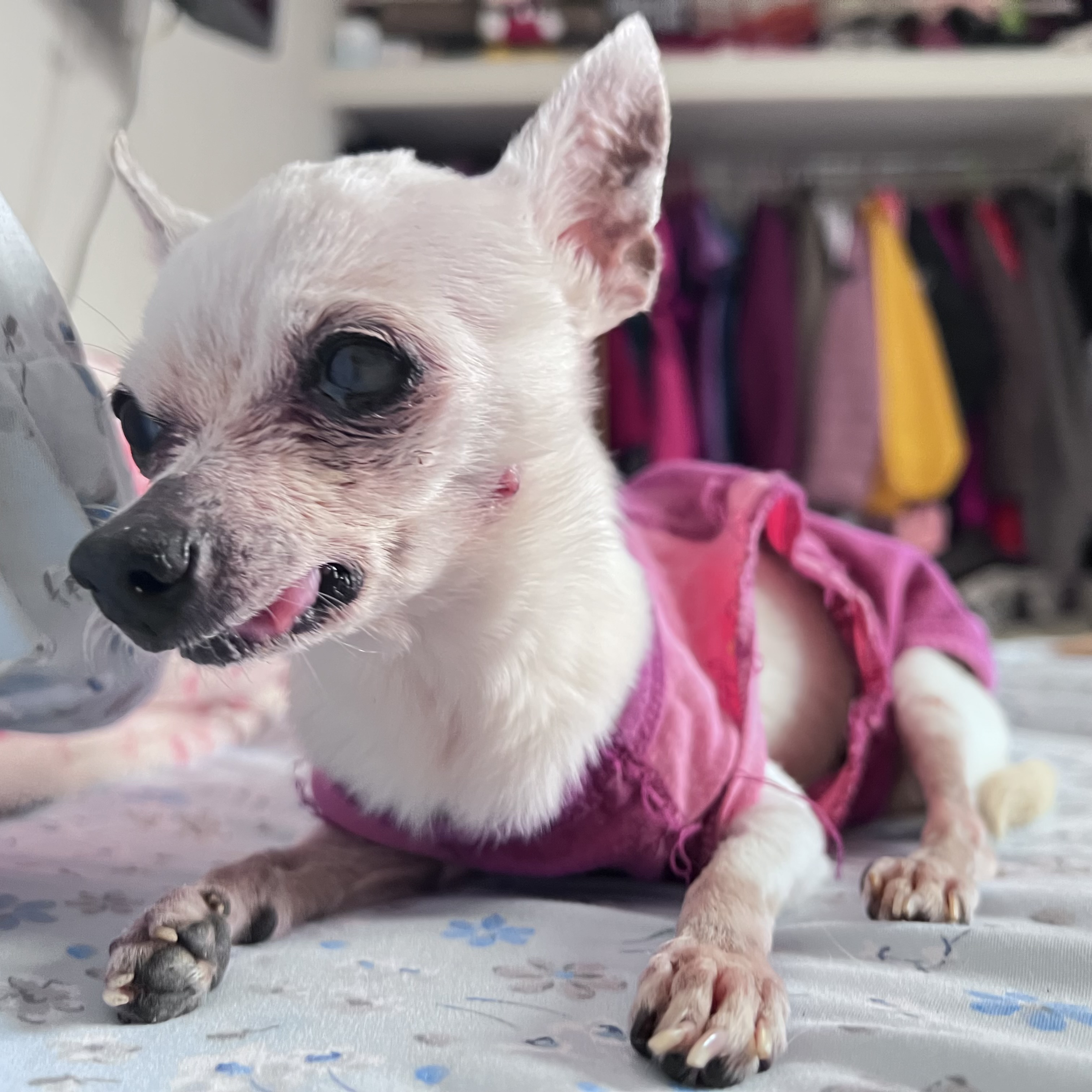
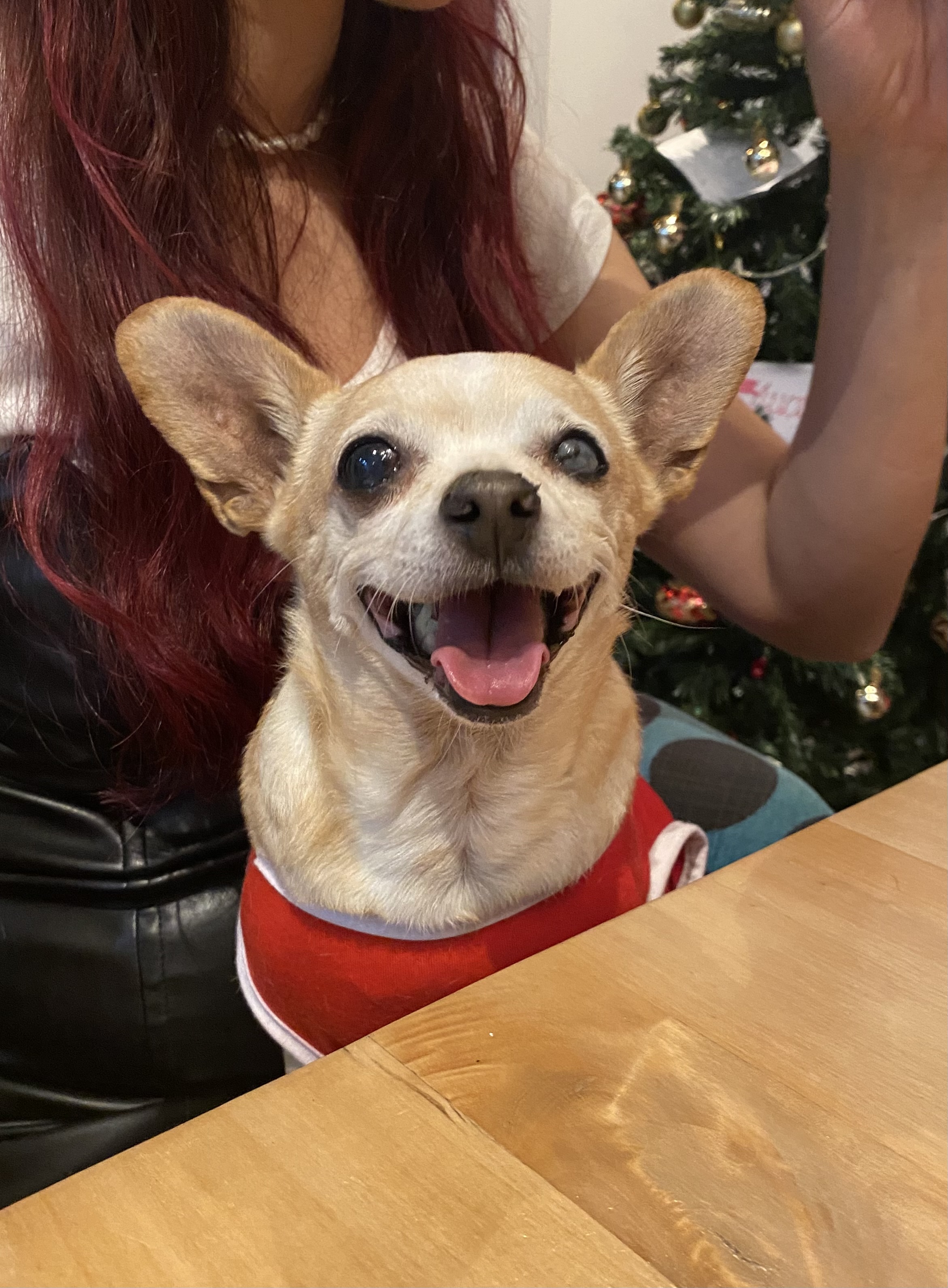
This is one of the most searched Chihuahua coat questions, and the answer is often reassuring. The MSD Veterinary Manual on pinnal alopecia lists Chihuahuas, along with Dachshunds, Italian Greyhounds and Whippets, among the breeds that get a pattern baldness limited to the ear flaps. It’s thought to be hereditary.
What the manual describes:
- It starts young, at one year of age or earlier.
- It begins as thinning and can progress until the ear flaps are completely bald by 8 to 9 years of age.
- It doesn’t make the dog ill. The hair loss isn’t linked to any other signs.
- No effective treatment has been reported.
It also helps to know that the breed is built this way to some degree. The AKC standard describes the smooth coat as “more scanty on head and ears”, so a short-coat Chihuahua with fine, sparse hair on the ears is often just typical.
When bald ears are not pattern baldness
Pattern baldness is gradual, symmetrical and calm. See your vet if the ears show:
- Crusts or scabs along the edges, intense scratching or head shaking. Sarcoptic mange often starts on the ears, and it’s very itchy and contagious.
- Round, scaly patches, which can be ringworm.
- Redness, smell or discharge inside the ear, which points to an ear infection or allergy.
Bare ear skin can also sunburn, so a light-colored Chihuahua with thin ears is better off out of strong midday sun.
Where are the bald spots? A quick guide by location
| Where | Likely causes |
|---|---|
| Ear flaps, symmetrical, no itch | Pinnal alopecia (pattern baldness) |
| Ear edges with crusts and itch | Sarcoptic mange |
| Around the eyes and face | Demodex mites (especially in puppies), allergies, ringworm |
| Base of the tail and rump | Flea allergy |
| Paws, armpits, belly | Licking from environmental or food allergy |
| Small round scaly circles | Ringworm, a fungal infection |
| Both flanks and trunk, no itch | Hormonal disease (hypothyroidism, Cushing’s) |
| Gray areas of a blue dog | Color dilution alopecia |
| Under the collar, harness or sweater | Friction from a poor fit |
| An area that was shaved | Post-clipping alopecia, or slow regrowth |
Allergies: the most common itchy cause
Allergies don’t remove hair directly. The dog does it by licking, chewing and scratching until the coat wears thin, usually on the paws, belly, armpits, face and the base of the tail. Fleas are the first thing to rule out, since one bite can set off a reaction in a sensitive dog, then environmental allergies (pollen, dust mites) and food allergies. We cover each in detail: itching and scratching, environmental allergies and food allergies.
Is it mange?
There are two very different kinds, both caused by mites:
| Demodectic mange (demodex) | Sarcoptic mange (scabies) | |
|---|---|---|
| Who gets it | Usually puppies under 1 year in its localized form | Any age |
| Itch | Mild or none in localized cases | Intense, and comes on suddenly |
| Where | One to five small patches, often on the face | Often belly, chest, ears, elbows and legs first |
| Contagious? | Not considered contagious. These mites live on all dogs in small numbers | Highly contagious to other dogs, and people can be affected too |
Both are diagnosed with skin scrapings and both are treatable. Don’t try home remedies: the right medication depends on which mite it is.
Color dilution alopecia in blue Chihuahuas
Color dilution alopecia (CDA) affects dogs with diluted coat colors, which in Chihuahuas mainly means blue and its lighter relatives such as lilac. The MSD Veterinary Manual describes dogs born with a normal coat who then develop progressive thinning and follicle inflammation before one year of age, confined to the diluted areas. The manual uses the word “fawn” for some affected dogs, but in that context it means a diluted red, as in Dobermans. An ordinary fawn Chihuahua isn’t dilute and isn’t at risk for this reason.
CDA is cosmetic and doesn’t affect overall health, but the skin needs care for dryness, scaling and infections. Diagnosis is made with a skin biopsy. Our guide to the blue Chihuahua explains the genetics and day-to-day coat care.
Could it be a hormone problem?
Hormonal hair loss is usually symmetrical, not itchy, and appears on the flanks and trunk. Two conditions come up:
- Hypothyroidism. The MSD Veterinary Manual on thyroid disorders says it’s most common between 4 and 10 years of age, usually in mid- to large-size breeds, and rare in toy and miniature breeds. Signs include dry skin, heavy shedding, thinning on both sides of the body, weight gain without eating more, tiredness and seeking warmth. A blood test confirms it, and treatment is a daily hormone pill for life.
- Cushing’s syndrome (too much cortisol). Typical signs alongside thinning hair are a pot belly, thin skin, drinking and peeing more and a large appetite in a middle-aged or older dog.
So in a Chihuahua, hormones are worth testing for when the pattern fits, but they’re rarely the first suspect.
Hair that won’t grow back after clipping
Post-clipping alopecia is when a shaved area simply doesn’t regrow for months. Vets describe it mostly in Spitz-type breeds with thick double coats, and it’s not well documented in Chihuahuas. Even so, a shaved long coat can take a long time to fill in, and shaving removes the coat’s protection from cold and sun. For long coats, a tidy trim is safer than a shave; see our Chihuahua haircut guide.
What will the vet do?
According to the MSD Veterinary Manual, the vet will look at the pattern of hair loss and check whether hairs are falling out from the root or breaking off (a sign of licking or chewing). Typical tests:
- Combing for fleas, lice and mites.
- Skin scrapings to look for mange mites under the microscope.
- Tape or swab samples to check for yeast and bacteria.
- Fungal culture if ringworm is suspected.
- Blood and urine tests if a hormonal cause is likely.
- A skin biopsy when the other tests don’t give an answer, which is how CDA is confirmed.
When should you see the vet?
Book a visit soon if you notice:
- Any bald patch with clear edges, especially if it’s growing.
- Itching that interrupts sleep or makes him chew himself raw.
- Crusts, scabs, pustules, a bad smell or oozing skin.
- Symmetrical thinning on both sides of the body.
- Hair loss plus other changes: weight gain, tiredness, drinking more.
- Several pets or people in the house itching, which suggests something contagious.
What can you do at home in the meantime?
- Treat every pet in the house for fleas with a vet-recommended product suitable for a dog under 10 pounds.
- Don’t apply human creams, essential oils or home remedies. They can hide the problem or irritate the skin, and some are toxic if licked.
- Check harness and sweater fit. You should be able to slide two fingers under the straps.
- Bathe only with a gentle dog shampoo, and not too often.
- Take photos once a week in the same light, so you and your vet can see whether things are getting better or worse.
Romeo and Lorenzo, two short coats
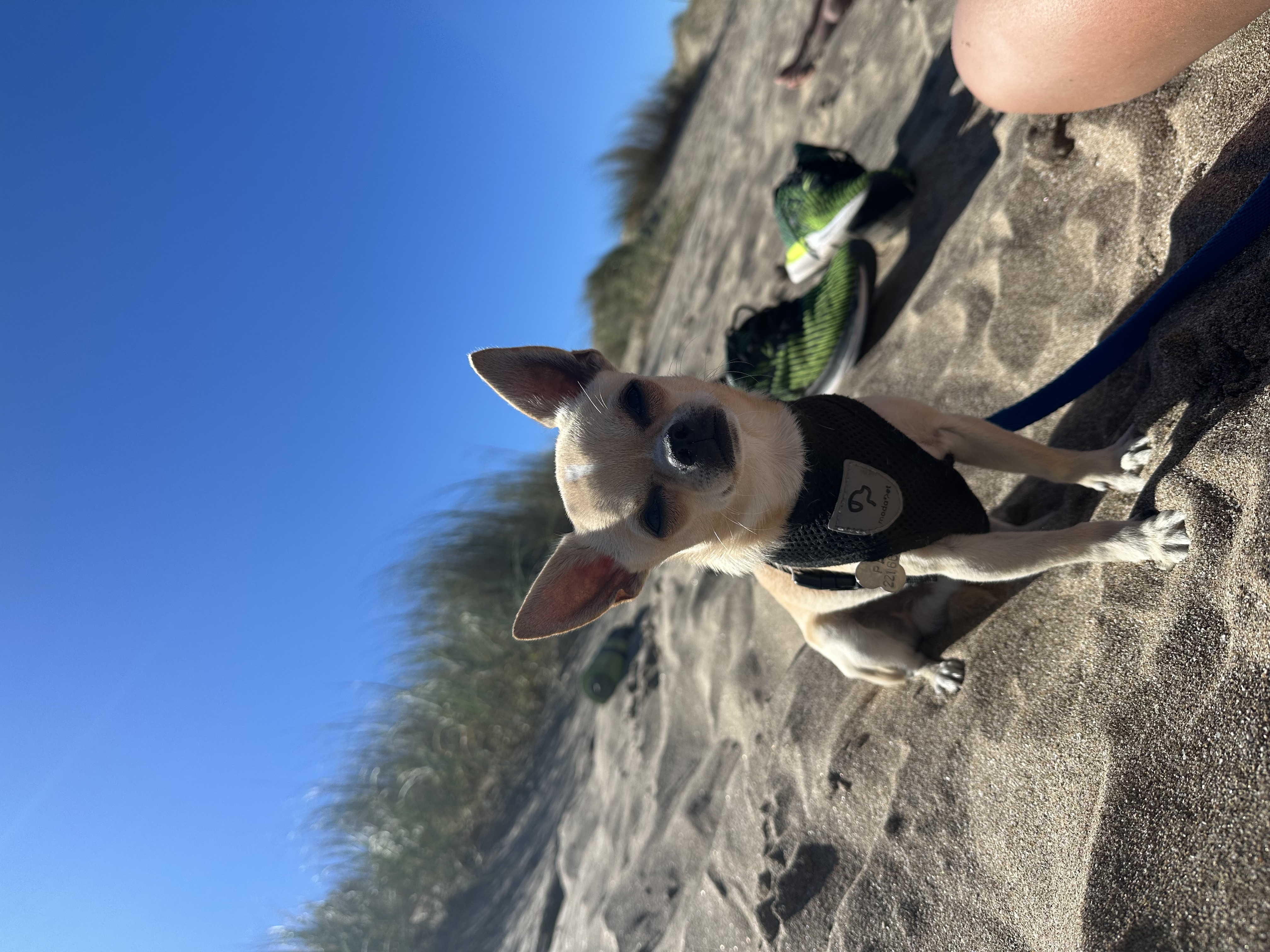
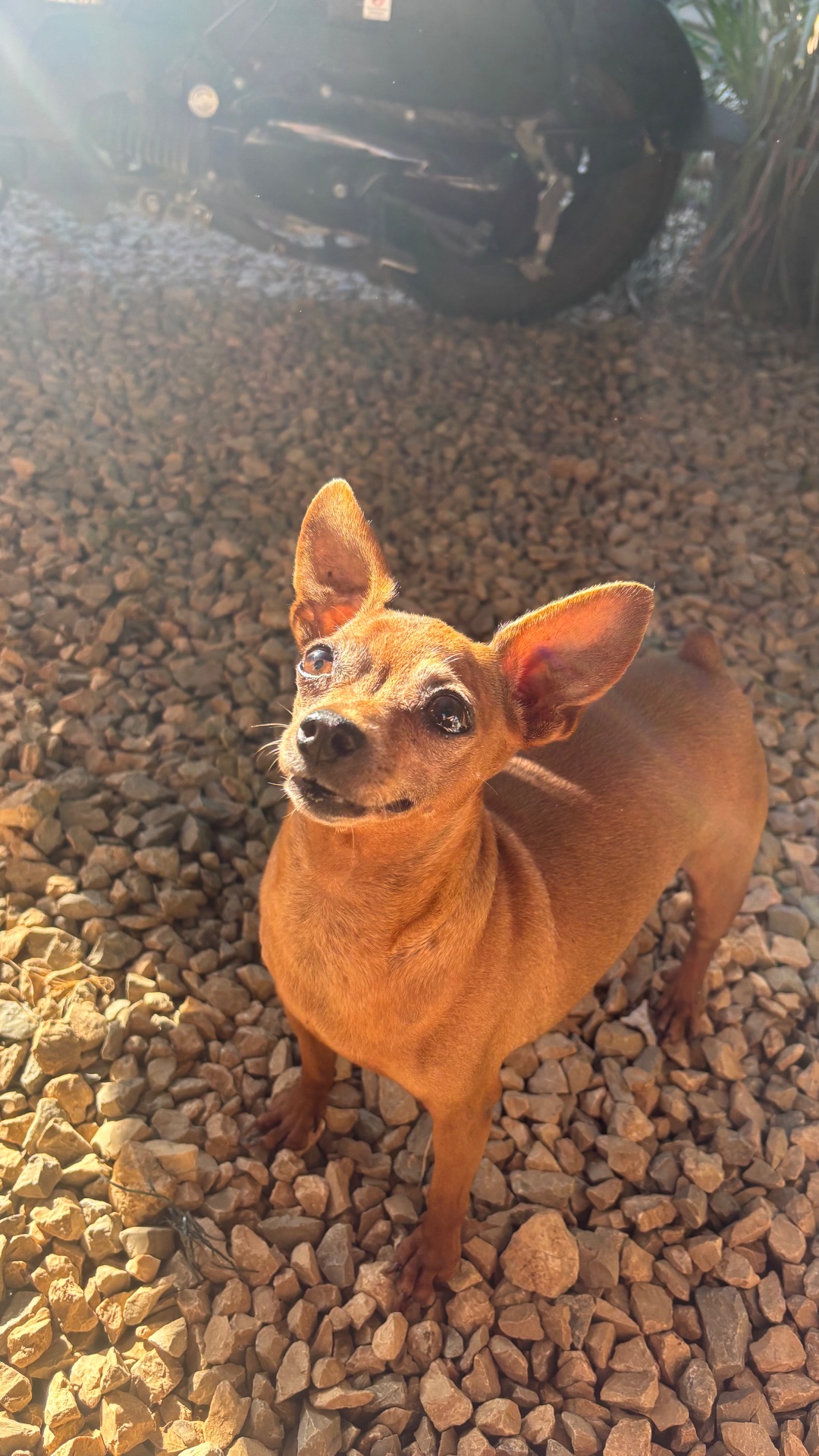
Romeo is cream and Lorenzo is fawn, both short coats, both apple heads. Neither color is a dilute, so color dilution alopecia isn’t on our list of worries. Short coats still shed, though, like every Chihuahua coat. Watching how much a coat sheds each season is the easiest way to notice when something stops looking like shedding.