
Chihuahua Bad Breath: Real Causes and How to Fix It
Why Chihuahuas get bad breath (it's usually their teeth), how to fix it fast and the simple daily dental routine that keeps it from coming back.
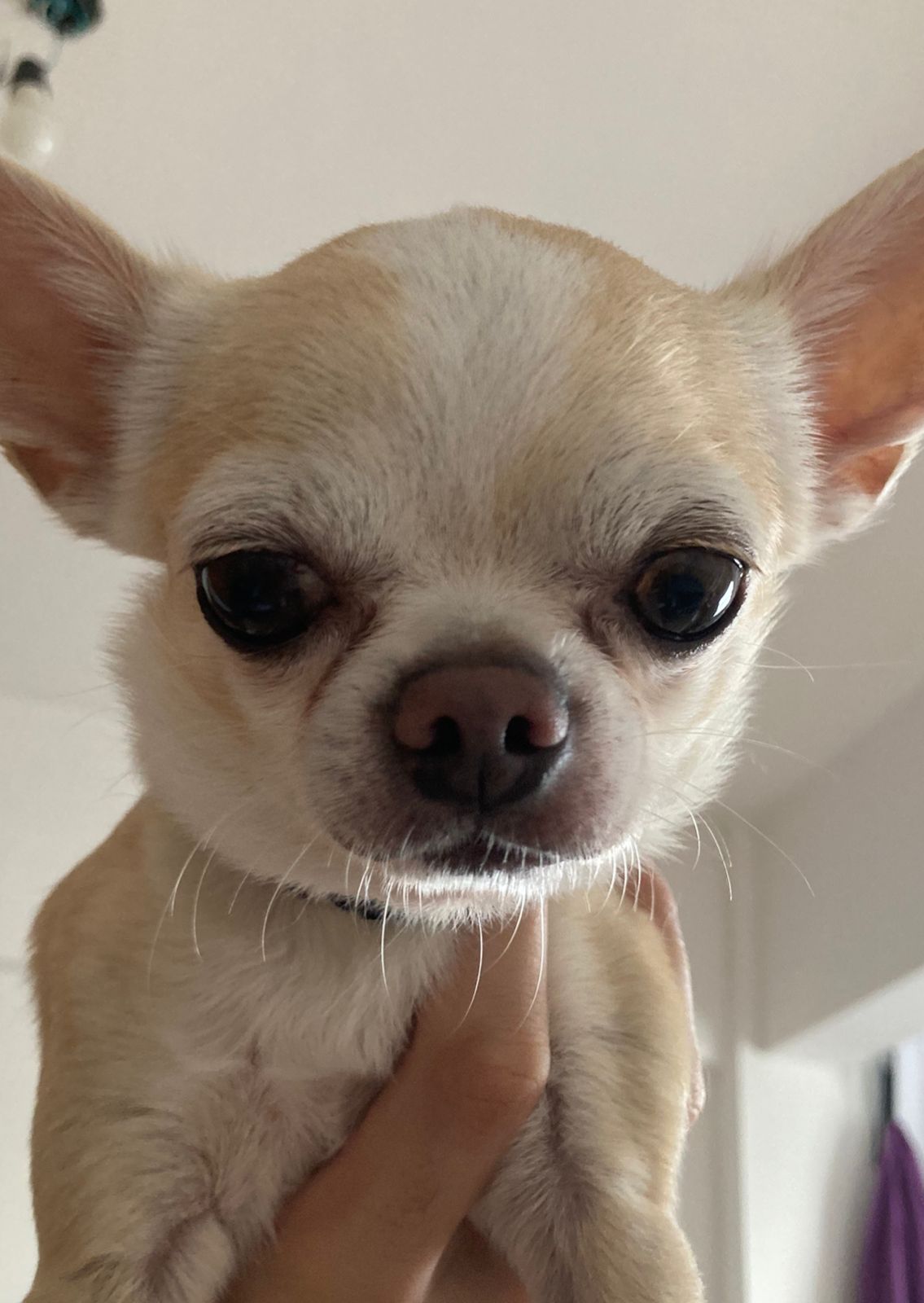
If you landed here searching for what to do about your Chihuahua bad breath, let me start where it matters: foul breath in small dogs is common, yes, but it is not normal. It’s not “just the breed.” It is not “because she’s getting older.” It’s a sign that something is happening in the mouth, the gut, or somewhere in the body, and it can almost always be improved with consistency and a little veterinary help.
Why a Chihuahua’s mouth smells worse than other dogs’
Chihuahuas carry an anatomical quirk that works against them: a tiny jaw that has to hold the same number of teeth as a German Shepherd. Forty-two teeth crammed into a mouth the size of a walnut. The result is predictable: crowded teeth, baby teeth that sometimes refuse to fall out on time, gums with no breathing room, and little crevices where food gets trapped.
On top of that, their fast metabolism speeds up plaque buildup, and many owners, with the best of intentions, feed wet food or soft treats that never scrape the teeth clean. It’s the perfect storm for a mouth that smells bad before the dog even turns three.
What exactly is canine halitosis?
Canine halitosis is the medical term for the bad odor coming out of a dog’s mouth. It is not a disease in itself: it is a symptom. It can come from the mouth itself (the most common source, around 80% of cases) or from internal organs sending a warning.
Telling one from the other matters, because the fix changes completely. Brushing will not solve a kidney problem, and a bland diet will not cure advanced gum disease.
The real reasons your Chihuahua has bad breath
1. Periodontal disease and tartar
This is, by a wide margin, cause number one. The bacterial plaque that settles on the teeth every day mineralizes into tartar: that yellow-brown crust you see at the base of the teeth. Tartar irritates the gum, triggers gingivitis, and over time destroys the bone that anchors the tooth. The mouth then smells rotten, almost like spoiled meat. The MSD Veterinary Manual’s section on mouth disorders in dogs describes periodontal disease as the most common dental problem in dogs, and bad breath as one of its earliest visible signs.
2. Retained baby teeth
Very typical in puppies and young dogs of the breed. If the baby teeth do not drop when they should (around 6 to 7 months), they sit alongside the adult teeth and create little pockets where food piles up. The smell shows up fast.
3. The wrong diet
Diets built on cans, pâtés, or table scraps encourage plaque and never clean the tooth the way a small, dry kibble does. If you’re unsure whether what you’re feeding stacks up, the WSAVA global nutrition guidelines set out the questions to ask about any dog food before you commit to it. Because the food-breath link is so direct, it’s worth reading our full guide on what Chihuahuas eat to see how diet shapes dental health.
4. Digestive problems
Gastritis, reflux, parasites, or food intolerances can translate into persistent bad breath even when the teeth are spotless. It usually comes with gas, regurgitation, or irregular stools.
5. Kidney trouble
When the kidneys stop filtering well, urea builds up in the blood and is partly cleared through saliva. The breath takes on a very distinctive ammonia smell, metallic, almost like urine. This is a veterinary emergency.
6. Diabetes
A poorly controlled diabetic Chihuahua can have a sweet, fruity breath, similar to acetone or nail polish remover. It signals ketoacidosis and needs immediate attention.
7. Foreign objects
A bone splinter, a piece of a toy, a hair wedged between two teeth, a thorn lodged in the palate. Any foreign object starts to decompose and smell within 24 to 48 hours.
8. Oral or upper respiratory infections
Abscesses at the root of a canine tooth, stomatitis, pharyngitis, tonsillitis, or sinusitis can all produce a strong odor that brushing simply will not fix.
When is bad breath a sign of something serious?
This is where it pays to sharpen your sense of smell, literally. The type of odor gives the vet a huge head start, so pay attention.
| Type of smell | Likely cause | Urgency |
|---|---|---|
| Rotten, decaying-meat smell | Advanced periodontitis, dental abscess | High |
| Ammonia or urine smell | Kidney problem | Very high |
| Sweet, fruity, acetone-like | Uncontrolled diabetes | Very high |
| Fishy smell | Anal glands, oral infection, very high-protein diet | Medium |
| Sour, vomit-like | Reflux or gastritis | Medium |
| Foul smell on one side only | Trapped foreign object | High |
If your Chihuahua has bad breath and also drinks far more than usual, urinates more, has lost weight, vomits, eats less, or seems dull, do not wait: book an appointment. The breath is the clue; the rest of the body confirms it.
Can you prevent tartar from puppyhood?
Yes, and it’s simpler than it looks if you start early. Which products actually have evidence behind them — and the VOHC seal that separates them from the rest — is in what actually prevents tooth loss in Chihuahuas. Dental hygiene should be part of your Chihuahua’s daily routine from three months of age, just like walks and meals. If you’re just starting out, our Chihuahua puppy care guide covers how to get a puppy comfortable with all of this.
The younger you begin, the less resistance you will meet. A puppy who learns to associate brushing with a pleasant moment will thank you for fifteen years.
A daily dental routine, step by step
Here’s the protocol we follow at home. It’s simple, takes under two minutes, and makes all the difference.
- Sit on the floor with your Chihuahua between your legs or in your lap. Calm position, never standing and holding her in the air.
- Let her sniff and lick the brush and the canine toothpaste before you start. Dog pastes taste of chicken, liver, or malt, so they actually enjoy them.
- Gently lift the lip with your thumb to expose the outer surface of the teeth. That’s where most tartar gathers.
- Brush in soft circular motions, tooth by tooth, without pressing hard. Pay special attention to the canines and the back molars.
- Always finish with a small treat or a cuddle. Positive association, every time.
- Rinse the brush and store it somewhere clean and dry.
You do not need to brush the inner surface of the teeth: the tongue does part of that job. You also do not need to rinse her mouth, since canine pastes are safe to swallow.
Recommended frequency by age
| Age of Chihuahua | Minimum brushing frequency |
|---|---|
| Puppy (3-6 months) | 3-4 times a week (getting used to it) |
| Young (6 months - 2 years) | Daily, ideally at night |
| Adult (2-8 years) | Daily |
| Senior (8+ years) | Daily + vet check every 6 months |
Dental products and chews that actually help
On top of brushing, you can lean on a few extras. They never replace the brush, but they add up:
- Enzymatic canine toothpaste: works even without friction, so it helps on busy days.
- Hard, fibrous dental chews: they chew against the plaque and create a mechanical effect. One a day, counted within the 10% daily treat allowance.
- Tough textured rubber toys: short chewing sessions, never for hours.
- Dental ropes made for toy breeds: they act like natural floss.
- Water additives: useful for dogs that will not tolerate brushing, never as the only measure.
- Raw carrot slices: a natural, crunchy treat with a cleaning effect.
Avoid large bones, whole antlers, and anything too hard: in such a tiny jaw they can fracture a tooth with ease.
When it’s time for a professional cleaning
No matter how consistent you are at home, there comes a point where accumulated tartar will not budge with a brush. In those cases the vet performs a professional dental cleaning under anesthesia, which includes ultrasonic scaling, enamel polishing, and a tooth-by-tooth review with X-rays if needed. If you want to plan ahead, our breakdown of dog teeth cleaning cost walks through what to expect.
Signs your Chihuahua needs one now:
- Visible tartar at the base of several teeth.
- Red or bleeding gums when you brush.
- Receding gums with exposed roots.
- Loose teeth.
- Pain when eating or chewing on one side.
- Breath that does not improve after two weeks of daily brushing.
Anesthesia in a healthy Chihuahua, with pre-op bloodwork, is safe. Far more dangerous is letting a chronically infected mouth keep sending bacteria to the heart or kidneys for years.
An important note
This article is informational and does not replace veterinary advice. Every Chihuahua has its own medical history, age, diet, and quirks. If you want to keep reading from an independent, non-commercial source, the Cornell Riney Canine Health Center publishes owner-facing canine health guides. And if you notice persistent bad breath, book an appointment: a quick oral exam clears up a lot of doubts and heads off bigger problems.
What Romeo’s mouth taught me
Romeo, our cream apple head and the senior of the house, is the one most prone to tartar, as seniors tend to be. He’s had nightly brushing for years and still needed two professional cleanings. Nothing strange about it: that’s simply how it goes. Lorenzo Pablito, our fawn apple head with rocket energy, still has a flawless mouth because we started his routine at three months and haven’t skipped a single day.
That, in a nutshell, is the whole science of a healthy mouth: start early, never quit, and never mistake what is common for what is normal. Your Chihuahua’s breath can (and should) simply smell of dog, nothing more. If it does not, you now know where to begin.
Written by Belen Salto, who shares her life with Romeo and Lorenzo, two Chihuahuas. · Ver en español