
Dog Teeth Cleaning Cost: Prices and When It's Needed
How much does dog teeth cleaning cost? Real 2026 prices, what's included, the anesthesia risks, when your dog needs one and how to cut the bill.
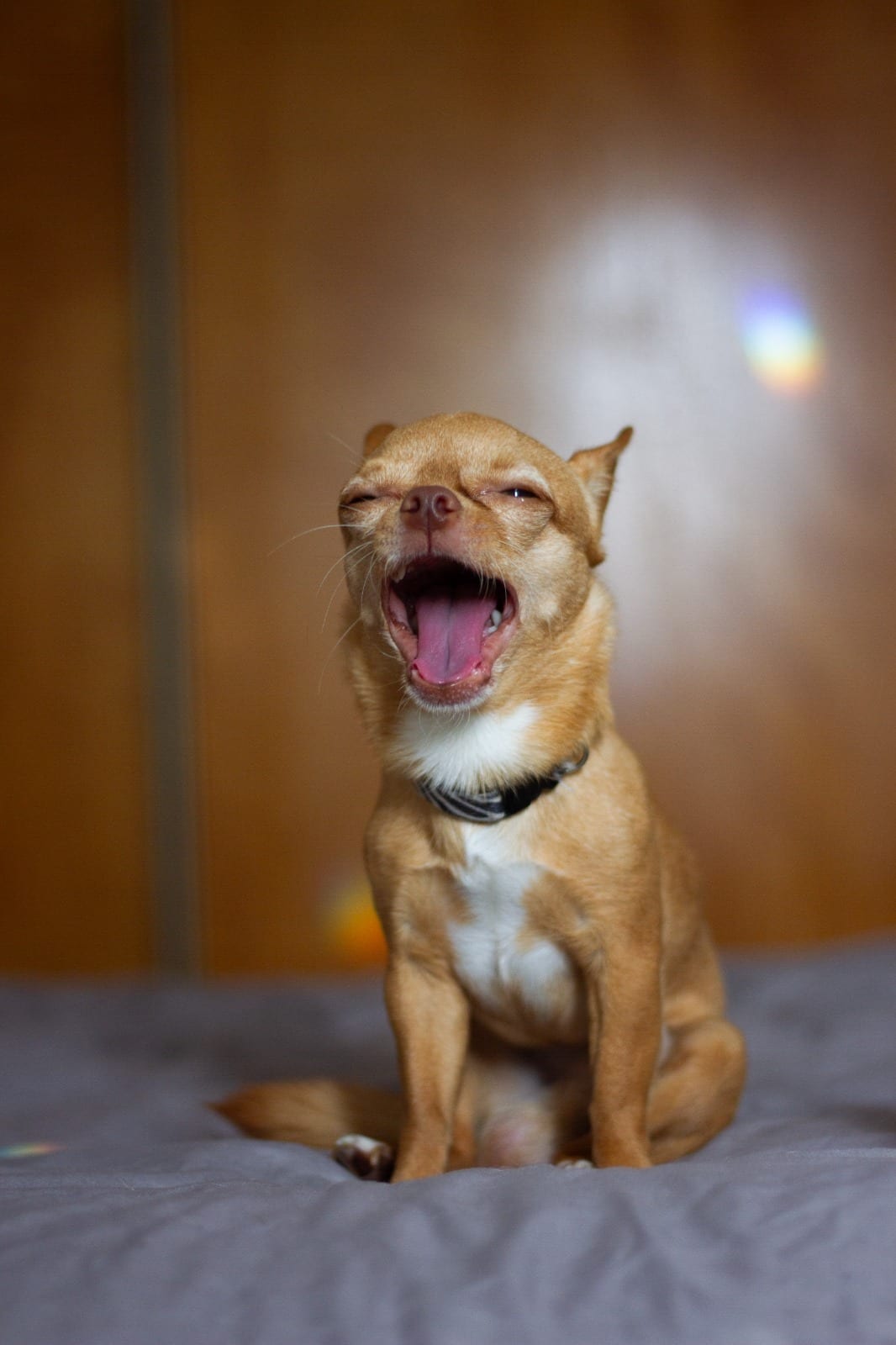
A professional dog teeth cleaning cost can range anywhere from $300 to over $1,500, and that wide gap is exactly why so many owners put it off. It sounds expensive, the anesthesia is scary, and “he still chews fine.” The trouble is that by the time a dog visibly stops chewing well, there’s often already infection, loose teeth, and irreversible gum damage.
Here we’ll break down how much a professional dental cleaning actually costs, when to do it, the real risks of anesthesia, and how to prevent the whole thing from being needed in the first place. No scare tactics, just current numbers.
This article is informational and does not replace veterinary advice. Every dog is different, and your own vet’s recommendation, based on the dog they actually know, always comes first.
What’s Included in a Professional Dog Dental Cleaning?
A professional cleaning is NOT just “scraping off the tartar.” It’s a veterinary procedure that usually includes:
- Pre-anesthetic testing (bloodwork and heart check) to rule out risks
- General inhaled anesthesia with continuous monitoring
- Scaling (removing tartar above the gumline with ultrasound)
- Subgingival cleaning (under the gumline, where most bacteria hide)
- Polishing so tartar takes longer to come back
- A full exam of every individual tooth
- Extractions of loose or infected teeth (if needed)
- Dental X-rays at modern clinics
- Post-procedure antibiotics if there were extractions
So-called “anesthesia-free dental cleaning” (offered by some groomers) doesn’t actually work. It only removes visible tartar and never touches the subgingival area, which is where the real problem lives. It’s like brushing only the front of your teeth and never flossing.
How Much Does Dog Teeth Cleaning Cost?
Here are current 2026 ranges for the United States. Prices vary a lot by region and clinic.
| Service | Typical price range |
|---|---|
| Simple cleaning (no extractions) | $300 - $800 |
| Cleaning with extractions | $600 - $1,500 |
| Cleaning with full dental X-rays | $1,000 - $2,500 |
What affects the price most:
- Size of the dog (a Chihuahua uses less anesthesia than a Labrador)
- Condition of the teeth (more extractions = higher bill)
- Location (major metro areas often run 30-50% higher than smaller towns)
- Type of clinic (general practice vs. veterinary dental specialist)
- Whether dental X-rays are taken (more thorough, more expensive)
- Overall health (senior dogs may need more pre-anesthetic testing)
Money-saving tip: February is National Pet Dental Health Month in the US, and many clinics run promotions with discounts of 10-25% during that time.
When Should a Dog Have Its First Teeth Cleaning?
The general rule:
| Dog’s age | Recommendation |
|---|---|
| 1-3 years | Home brushing + annual checkup. Professional cleaning rarely needed. |
| 3-5 years | First professional cleaning if there’s visible tartar or bad breath. |
| 5-8 years | Professional cleaning every 1-2 years as routine. |
| 8+ years | Annual cleaning if health allows. |
Small breeds (Chihuahuas, Yorkies, Maltese) need cleaning earlier than large breeds. Their tiny jaws crowd the teeth together, which traps tartar. The MSD Veterinary Manual’s section on mouth disorders in dogs points to periodontal disease as the most common dental problem in dogs, and crowded small-breed mouths are where it takes hold fastest. For these breeds, the first professional cleaning is often warranted at 3-4 years old.
Signs Your Dog Already Needs a Cleaning
- Persistent bad breath that doesn’t come and go
- Yellow or brown tartar visible at the base of the teeth
- Red or bleeding gums when you brush
- A loose or broken tooth
- Trouble chewing, or chewing only on one side
- Excessive drooling that’s new
- Constantly pawing at the mouth or rubbing the face
- Loss of appetite with no other obvious cause
If you notice two or more of these signs, book a vet appointment. Don’t wait for the scheduled annual visit.
Once the cleaning is done, keeping the mouth that way is the cheap part: the dental products with actual evidence, and the seal that tells them apart.
Is General Anesthesia in Dogs Dangerous?
This is owners’ number-one worry, and the honest answer is: the risk exists but it’s very low with modern protocols.
Real-world risk figures:
- In healthy dogs: anesthetic mortality is around 0.05% (1 in 2,000 dogs)
- In dogs with mild heart disease: around 0.5%
- In dogs with advanced heart disease: around 2-5%
To put it in perspective, the anesthetic risk for a healthy Chihuahua is similar to any other minor surgery. The reason dental cleanings get postponed so often isn’t medical, it’s psychological.
How to minimize the risk:
- Complete pre-anesthetic workup (bloodwork with kidney and liver values, plus an echocardiogram for seniors)
- Inhaled anesthesia (sevoflurane or isoflurane), not injectable alone
- Continuous monitoring during the procedure (heart rate, blood pressure, oxygenation, temperature)
- Supervised recovery with warming and oxygen support
- A vet experienced in canine dentistry, not just any generalist
Ask your vet to explain which protocol they use. If they won’t explain, find another clinic.
How to Avoid Needing a Professional Cleaning
The most cost-effective way to protect your dog’s teeth is to avoid ever needing an annual professional cleaning. That comes down to prevention from a young age.
Regular brushing
- Ideal frequency: 3-4 times a week (vet-recommended, though not realistic for everyone)
- Useful minimum: twice a week
- Canine toothpaste only (never human paste; many contain xylitol, which the ASPCA Animal Poison Control Center lists among the household substances that are toxic to dogs)
- A soft brush or finger brush for small breeds
- Start young. A dog used to brushing from puppyhood accepts it for life.
Dental chews and toys
- Greenies, Dentastix and similar products work reasonably well if the dog chews them thoroughly
- Hard rubber toys (like a Kong) that scrape teeth while chewing
- Antlers or horns (with caution; they can crack teeth in heavy chewers)
Crunchy dry dog food
- Hard kibble helps remove tartar mechanically as the dog chews
- Wet or very soft food makes buildup easier
Water additives
- Products like Plaque Off or antibacterial water additives can help
- They support but do not replace brushing
Bad Breath: When It’s Dental and When It’s Something Else
Bad breath (halitosis) isn’t always dental. It can be:
- Dental (the most common cause, around 80% of cases)
- Stomach-related (gastritis, spoiled food)
- Kidney-related (an ammonia-like smell, a warning sign)
- Liver-related (a strange sweet odor, a warning sign)
- Diabetes (an acetone smell, a warning sign)
If bad breath persists even after a dental cleaning, it isn’t purely dental. Ask your vet for bloodwork. We go deeper into this in our guide to Chihuahua bad breath, which is breed-specific but applies to any small dog.
A Note on Romeo and Lorenzo
We’ve brushed Romeo Carlitos two or three times a week since he was four months old. Lorenzo Pablito only started tolerating it at about a year. But both of them have full sets of teeth, no visible tartar, and have never needed a professional cleaning.
That’s the real investment: five minutes every other day from a young age saves hundreds of dollars and, more importantly, spares your dog a stressful procedure later in life. Tooth loss is one of the issues that most affects quality of life in older dogs, which is why we cover it in our full guide to senior Chihuahua care.
If your dog is already past eight and has never had a professional cleaning, book an appointment this week. Not to scare you, but so they reach old age with their teeth and can keep eating well.
Written by Belen Salto, who shares her life with Romeo and Lorenzo, two Chihuahuas. · Ver en español