
What Do Chihuahuas Eat? Complete Feeding Guide
How much, how often and what to feed a Chihuahua: daily portions by weight, safe snacks, toxic foods to avoid and common feeding myths, vet-reviewed.
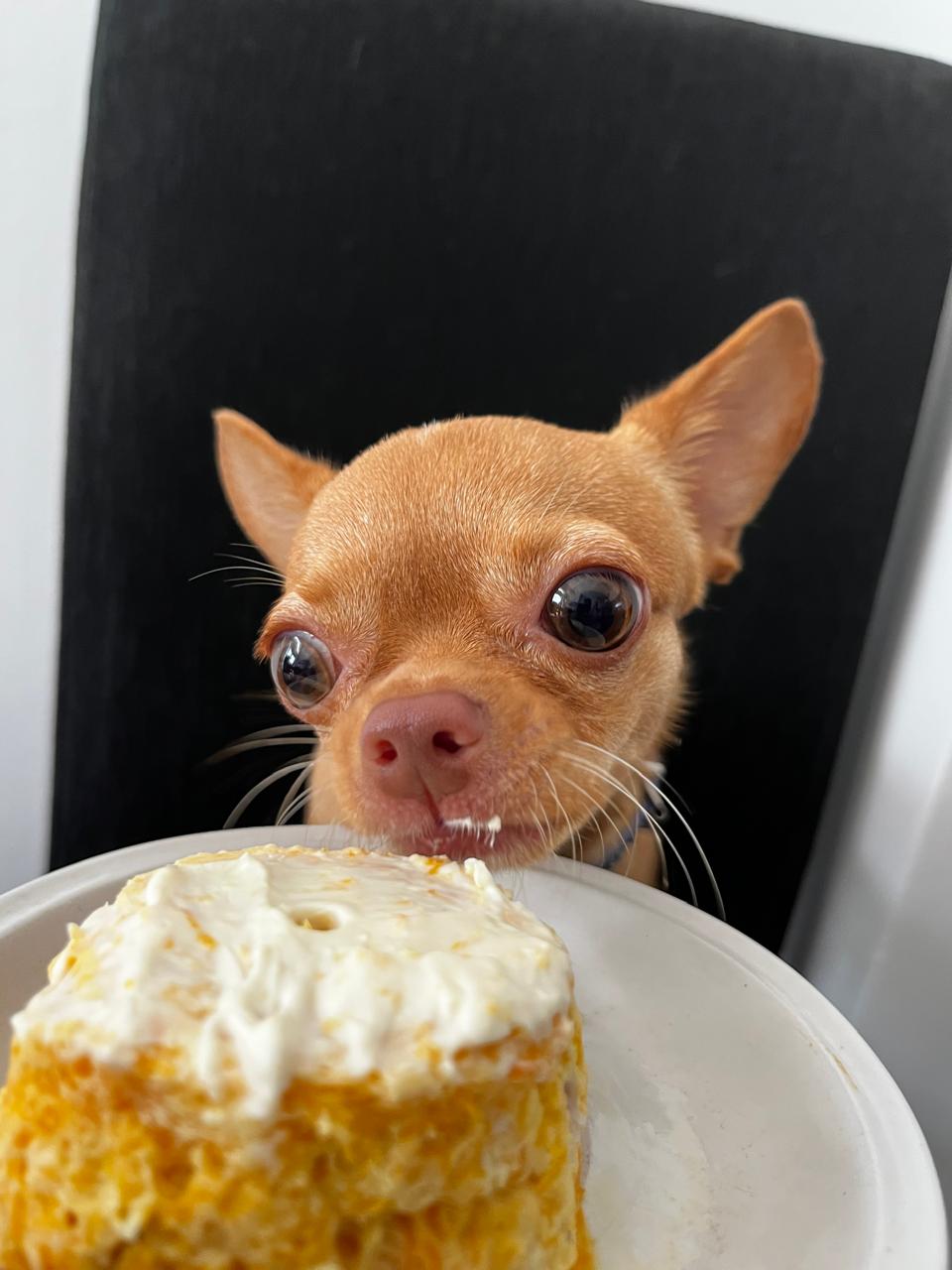
What do Chihuahuas eat, and how much? Feeding is probably the single variable that most shapes a Chihuahua’s health across its whole life. Giving the wrong thing, or the right thing in the wrong amount, gets paid back in extra weight, dental problems, hypoglycemia, pancreatitis, and, in the long run, lost years of life. Getting it right shows up as coat shine, steady energy, healthy teeth, and a visibly happy dog for 15 or 16 years.
This article covers the essentials: how much a Chihuahua eats, what it can eat, what it cannot, and which myths are worth leaving behind. Reviewed with our collaborating team of veterinary nutritionists.
First: it’s not a “small” dog, it’s a dog with a special metabolism
Many owners start with the idea that a Chihuahua “eats little, so anything goes.” It’s the other way around. Because they eat tiny amounts, the quality of every bite matters enormously. An error of 10 calories too many or 10 too few in a Chihuahua is, proportionally, like a 200-calorie error in a Labrador.
On top of that, they have a fast metabolism, a tiny stomach (the size of a walnut as a puppy, a plum as an adult), and a natural tendency toward hypoglycemia if they go many hours without eating. All of that shapes how they should be fed.
How many times a day should they eat?
| Age | Frequency | Notes |
|---|---|---|
| 2-4 months | 4 meals a day | Small, very regular |
| 4-6 months | 3 meals a day | Gentle transition |
| 6-10 months | 2-3 meals a day | Per activity and appetite |
| Adult (1-8 years) | 2 meals a day | Morning and night |
| Senior (8+ years) | 2-3 meals a day | Smaller portions |
General rule for adults: split the daily ration into two meals, one in the morning and one at night, about 8 to 12 hours apart. Never leave the bowl full all day (“free feeding”) in this breed: it encourages obesity and fussy eating.
How much should they eat (approximate grams)?
Quality foods list the ration on the bag, and that table is the most reliable reference. As a general guide:
| Chihuahua’s weight | Approximate daily ration (premium dry food) |
|---|---|
| 3.3 lb (1.5 kg) | 0.9–1.2 oz/day (25–35 g) |
| 4.4 lb (2 kg) | 1.2–1.6 oz/day (35–45 g) |
| 5.5 lb (2.5 kg) | 1.6–1.9 oz/day (45–55 g) |
| 6.6 lb (3 kg) | 1.9–2.3 oz/day (55–65 g) |
These are approximate. A very active Chihuahua may need 10-20% more; a sedentary or older one, 10-20% less. The scale and the vet have the final word.
How to tell if she’s at a healthy weight
- Ribs: you should feel them by running your hand along her sides, without having to press. If you can’t feel them, there’s excess fat; if they stick out sharply, she is underweight.
- Waist: seen from above, there should be a slight curve behind the ribs.
- Abdomen: in profile, it should tuck up toward the back (not hang down).
Types of feeding
Dry food (the most common)
These are the dry kibbles everyone knows. It’s the most practical, economical, and balanced option if you choose well.
What to look for (the WSAVA global nutrition guidelines are the reference most vets use when judging a brand, and they’re worth skimming before you commit to a bag):
- Animal protein listed as the first ingredient (“dehydrated chicken 30%,” not “dehydrated meat”).
- Low in refined grains (corn, wheat). Rice, oats, or potato are better carb sources.
- Good-quality fat (chicken fat, salmon, fish oil).
- No artificial preservatives like BHA, BHT, or ethoxyquin.
- A small kibble for toy breeds (this is key: a large kibble can choke a Chihuahua, or she simply won’t eat it).
That last point is the one that quietly settles most cases of a “picky” Chihuahua: plenty of dogs labelled fussy are simply being handed a kibble their jaw can’t manage.
Royal Canin Breed Health Nutrition Chihuahua Adult
★ 4.8 · 3,000 valoraciones
The kibble is shaped specifically for a Chihuahua's short, often crowded jaw — the one practical difference that turns a refused bowl into an eaten one. Calorie density is tuned for a dog that can only take in a tiny volume per meal, which is the constraint that defines feeding this breed.
Ojo: It's expensive per pound and the breed-specific shaping is most of what you're paying for; nutritionally a good small-breed food is close behind. Buy the smallest bag — a Chihuahua takes weeks to finish one and opened kibble loses quality.
Check Royal Canin Chihuahua on Amazon →Our full take, including five alternatives, is in the Royal Canin Chihuahua review.
Wet food (cans, pouches)
Cans and pouches meant as a complete food or a complement. Useful for Chihuahuas with advanced dental problems or who refuse dry food.
Pros: very palatable, adds water, ideal for seniors or recovering dogs. Cons: more expensive per serving, lasts 48 hours in the fridge once opened, and does not protect the teeth (on the contrary, it encourages tartar). If dental health is already a concern, our guide on Chihuahua bad breath explains why texture matters.
Recommendation: do not feed it alone long-term. Use it as an occasional boost (a spoonful mixed into the food) or to tempt eating on off days.
Raw or BARF diet
Raw meat, meaty bone, organ meat, vegetables. Increasingly popular among owners drawn to “natural.”
Pros done right: very personalized nutrition, shiny coat, less tartar. Cons done wrong: risk of salmonella, calcium/phosphorus imbalances, poisoning from large bones, high cost.
If raw appeals to you, do it only under the supervision of a veterinary nutritionist. In Chihuahuas, the margin for error is so narrow that improvising is dangerous. Never mix raw with dry food in the same meal: they digest at different speeds.
Home-cooked diet
Boiled chicken, rice, vegetables. It looks harmless but is almost never balanced without a veterinary plan (it lacks minerals, essential fats, vitamins).
It is fine for a few weeks for a recovering Chihuahua or one with gastroenteritis, but not as a regular diet unless a nutritionist builds the plan.
What they CAN eat (safe snacks)
In small amounts, as a treat or complement:
- Cooked chicken or turkey with no salt or oil.
- Boiled white rice (very gentle on delicate stomachs).
- Raw carrot (good for the teeth).
- Apple with no seeds or core.
- Pear in small pieces.
- Banana in thin slices (high in sugar: one a day max, for an adult).
- Watermelon and melon with no seeds.
- Blueberries (antioxidants).
- Boiled zucchini and pumpkin.
- Boiled green beans (great as “filler” in weight-control diets).
- Cooked boneless white fish (hake, cod).
- Plain unsweetened yogurt, an occasional teaspoon (if not lactose intolerant).
- Hard-boiled egg (one small unit, 1-2 times a week, max).
Key rule: snacks should not exceed 10% of daily calories. In a 4.4 lb (2 kg) Chihuahua, that’s about 15-20 kcal, roughly a third of an ounce of apple or a piece of chicken the size of a fingernail. Less than it sounds.
What they should NEVER eat (toxic foods)
Keep this list. Some cause mild discomfort; others can kill, and the MSD Veterinary Manual carries a clinical entry on each of these poisonings if you want the detail behind the warning.
- Chocolate: toxic in any amount for a Chihuahua. Veterinary emergency.
- Xylitol (sweetener in gum, candy, toothpaste, some sweets): extremely lethal. Causes acute hypoglycemia and liver failure.
- Grapes and raisins: can cause acute kidney failure.
- Onion, garlic, leek, chives (raw or cooked, powdered or as seasoning): they destroy red blood cells. Cause anemia.
- Avocado: contains persin, toxic to dogs.
- Alcohol: low doses cause serious poisoning.
- Coffee and tea (caffeine): toxic.
- Macadamia and other nuts: cause tremors, weakness, hyperthermia.
- Raw dough with yeast: ferments in the stomach, risk of bloat.
- Cooked bones (chicken, rabbit): they splinter and perforate intestines. Forbidden.
- Large raw beef bones without supervision: dental risk and choking.
- Whole-fat dairy (milk, cream, fatty cheese): most dogs do not digest it well.
- Very fatty meats (bacon, cold cuts, fried food): cause pancreatitis.
- Excess salt and seasonings: raise blood pressure and stress the kidneys.
If your Chihuahua has eaten something on this list
- Call the vet BEFORE doing anything, or the ASPCA Animal Poison Control Center, which runs a 24-hour emergency line. Do not induce vomiting on your own unless explicitly told to.
- Bring the label or packaging of the product.
- If it is the weekend or night, find a 24-hour clinic.
Time is the most decisive factor. Act fast.
Water
Fresh, clean water, available all day. An adult Chihuahua drinks between 2 and 5 fl oz a day under normal conditions. In summer, with exercise, or when sick, considerably more.
- Bowl material: ceramic or stainless steel. Plastic harbors bacteria and leaves a taste.
- Change it at least once a day.
- Never replace it with milk, broths, or other drinks as “variety.”
If she stops drinking for more than 24 hours, see the vet. It is a warning sign.
Supplements: only if your vet recommends them
A healthy Chihuahua on quality food does not need supplements. But in some specific cases they are recommended:
- Salmon oil (omega-3): good for skin, coat, and joints.
- Chondroprotectors (glucosamine + chondroitin): in seniors or with joint problems.
- Probiotics: after bouts of diarrhea, antibiotics, or for delicate digestion.
- Calcium and vitamin D: never without a prescription. An excess is as dangerous as a deficit.
Stay away from the “miracle” supplements you see on social media. In this breed, most of them can do more harm than good.
How to switch foods without drama
If you want to change brand or recipe, never do it all at once. Diarrhea is almost guaranteed.
7-day plan:
- Days 1-2: 75% of the current food + 25% of the new one.
- Days 3-4: 50% / 50%.
- Days 5-6: 25% / 75%.
- Day 7 onward: 100% of the new one.
If intense diarrhea or vomiting appears, step back one stage and consult the vet.
Myths worth leaving behind
- “Chihuahuas can eat the same as a human, in moderation.” No. Our food usually carries salt, oils, and unsuitable seasonings. What seems “a little bit” to us is proportionally enormous for them.
- “If she won’t eat, leave her hungry until she does.” In this breed, skipping meals is dangerous due to hypoglycemia risk. If a Chihuahua refuses food one day, check that she is well (temperature, energy, teeth). If it persists, vet. We go deeper into the causes in what to do when your Chihuahua won’t eat.
- “Bones are natural, dogs have always eaten them.” Cooked bones are dangerous, full stop. Raw butcher bones, only under supervision and at the right size.
- “Give her milk, she likes it.” Many Chihuahuas are intolerant. It causes diarrhea.
- “A thin Chihuahua is a healthy Chihuahua.” It depends. Too thin is also a problem. Aim for the middle ground your vet indicates.
In summary
- Two meals a day (adult), split morning and night.
- Quality food with identified animal protein, small kibble.
- Fresh water always, in a ceramic or steel bowl.
- Snacks as a treat, max 10% of daily calories.
- The toxic list memorized and out of reach.
- Gradual changes from one food to another.
- Weight checked every 2-3 months.
A well-fed Chihuahua is a happier Chihuahua, with fewer vet visits and many more years ahead. The investment in quality food always pays itself back.
This article is informational and does not replace veterinary advice.
With Romeo and Lorenzo we’ve kept the same routine for years: toy-specific food morning and night, clean water in ceramic, apple or carrot as a treat. Nothing magical, just consistency. And it works.
Written by Belen Salto, who shares her life with Romeo and Lorenzo, two Chihuahuas. · Ver en español