
Jack Chi: The Chihuahua Jack Russell Mix Explained
The Jack Chi mixes a Chihuahua and a Jack Russell Terrier: typical size, energy, temperament, inherited health risks, grooming and who it suits.
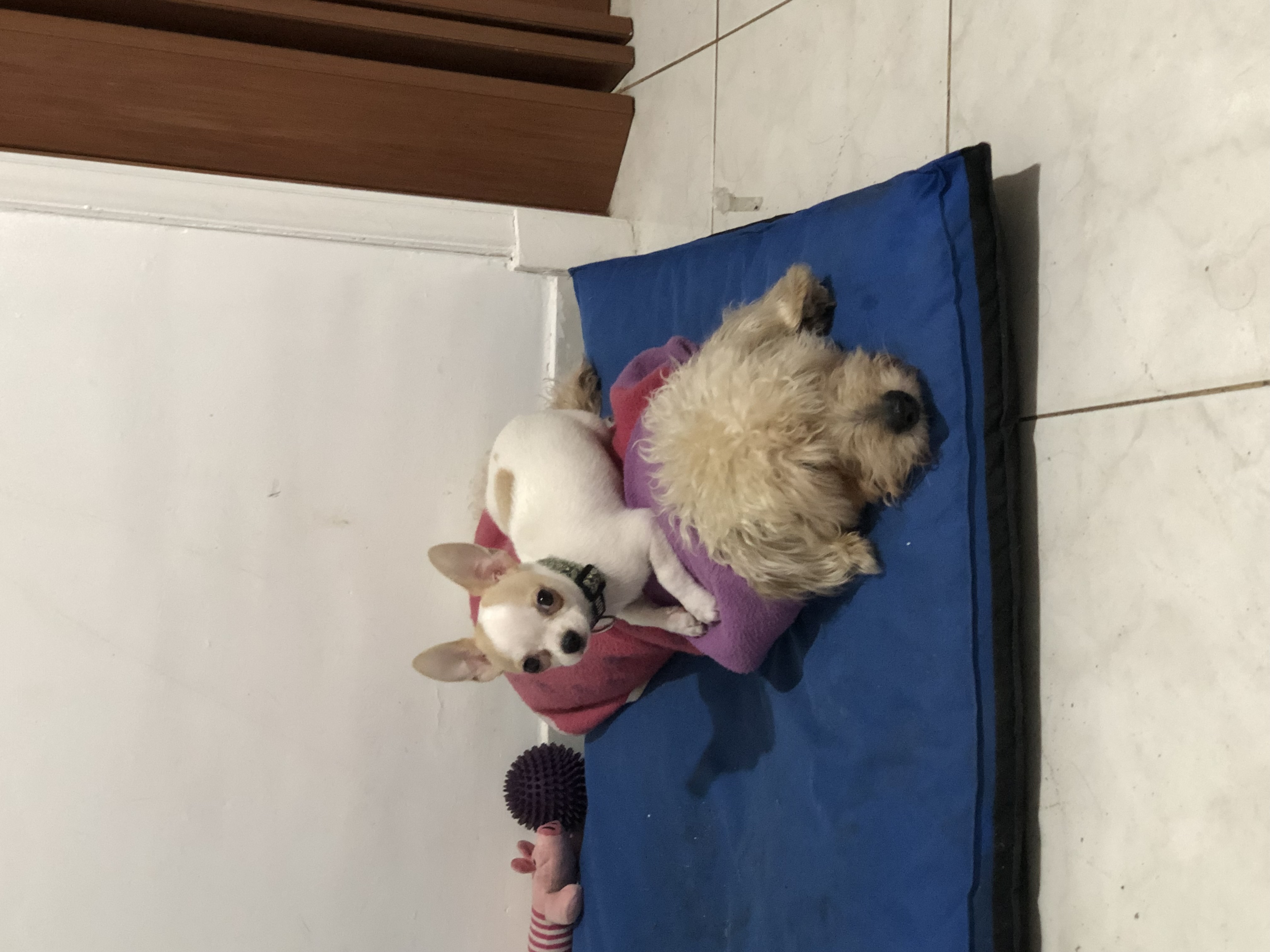
The Jack Chi is a cross between a Chihuahua and a Jack Russell Terrier, and it is one of the most energetic Chihuahua mixes you will meet. Picture a small, sturdy dog with a Chihuahua’s attachment to its people and a terrier’s engine. This Chihuahua Jack Russell mix is great fun in the right home and a handful in the wrong one, so here is what to know before you bring one home.
What exactly is a Jack Chi?
A Jack Chi is a first-generation mix, not a breed. There is no standard, no registry that defines it, and no guarantee about how any one puppy will turn out. Some look like a slightly smaller Jack Russell with big upright ears; others look like a tall, sturdy Chihuahua.
You will also see it called:
- Jackhuahua
- Jack Chihuahua or Chihuahua Jack Russell mix
A note on the “Jack Russell” name
In the US, the American Kennel Club does not list a breed under the name Jack Russell Terrier. The two closest breeds it recognizes are the Russell Terrier and the Parson Russell Terrier, and their numbers are useful as a reference:
- The AKC’s Russell Terrier profile lists 10 to 12 inches, 9 to 15 pounds and a life expectancy of 12 to 14 years, and describes an “eager, tireless working terrier.”
- The AKC’s Parson Russell Terrier profile lists 13 to 14 inches, 13 to 17 pounds and 13 to 15 years, and describes “independent problem solvers.”
In everyday life, “Jack Russell” is used loosely for small terriers of this type, registered or not, which is one more reason the Jack Chi varies so much.
How big does a Jack Chi get?
Use these as typical ranges, not a standard. The size of the terrier parent matters most.
| Trait | Chihuahua (AKC) | Jack Chi (typical) | Russell / Parson Russell (AKC) |
|---|---|---|---|
| Adult weight | Up to 6 lb | 8 - 18 lb (3.6 - 8.2 kg) | 9 - 15 lb / 13 - 17 lb |
| Height | 5 - 8 in | 9 - 14 in | 10 - 12 in / 13 - 14 in |
| Life expectancy | 14 - 16 years | 12 - 16 years | 12 - 14 / 13 - 15 years |
| Build | Fine, compact | Sturdy, athletic | Sturdy, athletic |
| Ears | Large, erect | Erect, folded, or one of each | Folded forward |
The Chihuahua figures come from the AKC’s Chihuahua profile. Notice the gap: a Jack Chi can easily weigh two or three times what a purebred Chihuahua does, so do not buy a puppy expecting a 5-pound dog.
Coat and colors
Russell-type terriers come in smooth, broken (slightly wiry) and rough coats, and the Jack Chi can inherit any of them, though a short, smooth coat is most common. Typical colors:
- White with tan markings, the classic terrier pattern
- White with black and tan (tricolor)
- Tan, fawn or cream, often from the Chihuahua side
- Black and tan
Lots of white in the coat looks charming, and it is also a reason to ask about hearing, as you will see below.
What is a Jack Chi’s temperament like?
Think of it as a Chihuahua’s heart in a terrier’s body:
- High energy, all day. The terrier side was bred to work, and it shows.
- Clever and independent. It learns fast, then tests whether the rule still applies today.
- A digger. Gardens, flower pots, sofa cushions: the instinct to dig is real.
- Strong prey drive. Small pets, squirrels and cats are hard for a Jack Chi to ignore.
- Vocal. Both parents bark to announce things. Our guide to Chihuahua barking has strategies that also work for this mix.
- Loyal and affectionate with its people, often wary with strangers.
Socialization is not optional with this cross. A confident terrier temperament plus a Chihuahua’s suspicion of strangers can turn into reactivity if the puppy never meets people, dogs and new places in a calm way. The steps in how to socialize a Chihuahua apply here too.
Health risks inherited from both parents
The AKC’s terrier group health testing list shows that the Russell Terrier’s national breed club recommends a patella evaluation, an eye exam by an ophthalmologist, BAER hearing testing and a DNA test for primary lens luxation. That list is a useful map of what can be passed on to a Jack Chi.
| Condition | Linked to | What to watch for |
|---|---|---|
| Luxating patella | Both parents | Skipping steps, holding up a back leg |
| Primary lens luxation | Terrier parent | Sudden red, painful or cloudy eye |
| Congenital deafness | Terrier parent, white coats | Not reacting to sounds or its name |
| Periodontal disease | Both, especially the Chihuahua | Bad breath, tartar, red gums |
| Legg-Calvé-Perthes disease | Small breeds | Rear-leg limp in a young dog |
| Hypoglycemia in puppies | Chihuahua | Weakness, trembling, lethargy |
Two of these deserve a closer look:
- Lens luxation is an emergency. The MSD Veterinary Manual’s section on lens disorders in dogs notes that lens displacement is common as an inherited defect in several terrier breeds, and that when the lens slips forward it causes sudden, severe signs, often with glaucoma. A suddenly red, squinting or cloudy eye means a same-day vet visit.
- Hearing. Congenital deafness in many breeds is associated with heavy white coloring. A BAER test is the only reliable way to know, and a deaf dog can live happily with hand signals and a careful owner.
Kneecaps are the common thread with every Chihuahua cross. Our guide to luxating patella in Chihuahuas explains the grades and treatment options, and the broader Chihuahua health problems guide covers the Chihuahua side of the family tree.
This article is informational and does not replace veterinary advice. If you notice any of the signs above, talk to your vet rather than waiting it out.
How long do Jack Chis live?
A healthy Jack Chi typically lives 12 to 16 years, in line with the long lifespans of both parents. The best things you can do for a long life are a lean weight, daily tooth brushing, regular exercise and yearly vet visits.
How much exercise does a Jack Chi need?
This is the section that decides whether a Jack Chi will fit your life. Plan on about an hour a day of walks and active play, more for a dog that takes after the terrier side. Good outlets include:
- Two brisk walks with time to sniff.
- Fetch or tug in a securely fenced area.
- Puzzle feeders and scent games.
- Short training sessions, including tricks.
- A sandbox or digging spot, if you have outdoor space and want to save your garden.
A bored Jack Chi does not settle down. It digs, chews and barks.
Grooming needs
Grooming is light, though not zero:
- Brushing: once or twice a week. Smooth coats shed steadily, despite their short length.
- Broken or rough coats: a little more brushing, plus an occasional tidy-up at the groomer.
- Nails: every two to three weeks.
- Teeth: daily brushing, since periodontal disease is the most common dental problem in dogs and small breeds are especially prone.
- Ears: a weekly check, especially on folded ears.
Who is a Jack Chi right for?
A good fit if you:
- Are active and want a small dog that will hike, run and play.
- Enjoy training and are patient with a clever, stubborn dog.
- Have a secure yard or reliable access to a fenced dog park.
- Live with adults or older children.
A poor fit if you:
- Want a calm lap dog.
- Have cats, rabbits or rodents and cannot manage introductions carefully.
- Are away most of the day with no one to walk the dog.
- Live where frequent barking will cause trouble.
Jack Chi price and where to find one
The Jack Chi is a popular “designer” label, so be wary of puppy mills and online sellers. Walk away from anyone who will not let you see the mother, ships puppies sight unseen, cannot show vet records or offers several trendy mixes at once.
Jack Chis turn up in shelters and rescues fairly often, frequently surrendered because nobody warned the first family about the energy. Adoption fees are usually much lower than breeder prices, and an adult dog shows you its real size, coat and activity level from day one. Terrier and Chihuahua rescues are good places to start your search.
Ryan, the dog in the photo at the top of this page, is a club member from Mar del Plata, Argentina. He is registered with us as a Chihuahua, not a Jack Chi, but his white and fawn coat is the same color pattern you see on many Jack Russells.
At home I live with two purebred apple head Chihuahuas, Romeo (11 years old, 5.3 pounds, cream) and Lorenzo (2 years old, 5.1 pounds, fawn). Neither of them is a Jack Chi, and I would not pretend to know life with a terrier mix better than its owners do. What I can say is that the Chihuahua half of this cross brings the same priorities our community talks about every week: careful knees, clean teeth and a lot of love for one special person.
If you are weighing different terrier crosses, the Chorkie is the smaller, longer-coated cousin, with less need to run but more need for a brush.
Frequently asked questions
What is a Jack Chi?
How big does a Jack Chi get?
How long do Jack Chis live?
Are Jack Chis high energy?
Are Jack Chis good with kids?
Written by Belen Salto, who shares her life with Romeo and Lorenzo, two Chihuahuas. · Ver en español