
My Chihuahua Won't Eat: 10 Real Causes & When It's Urgent
Chihuahua not eating? Here are 10 real causes, the dangerous hypoglycemia risk in this breed, and exactly when it becomes a vet emergency.
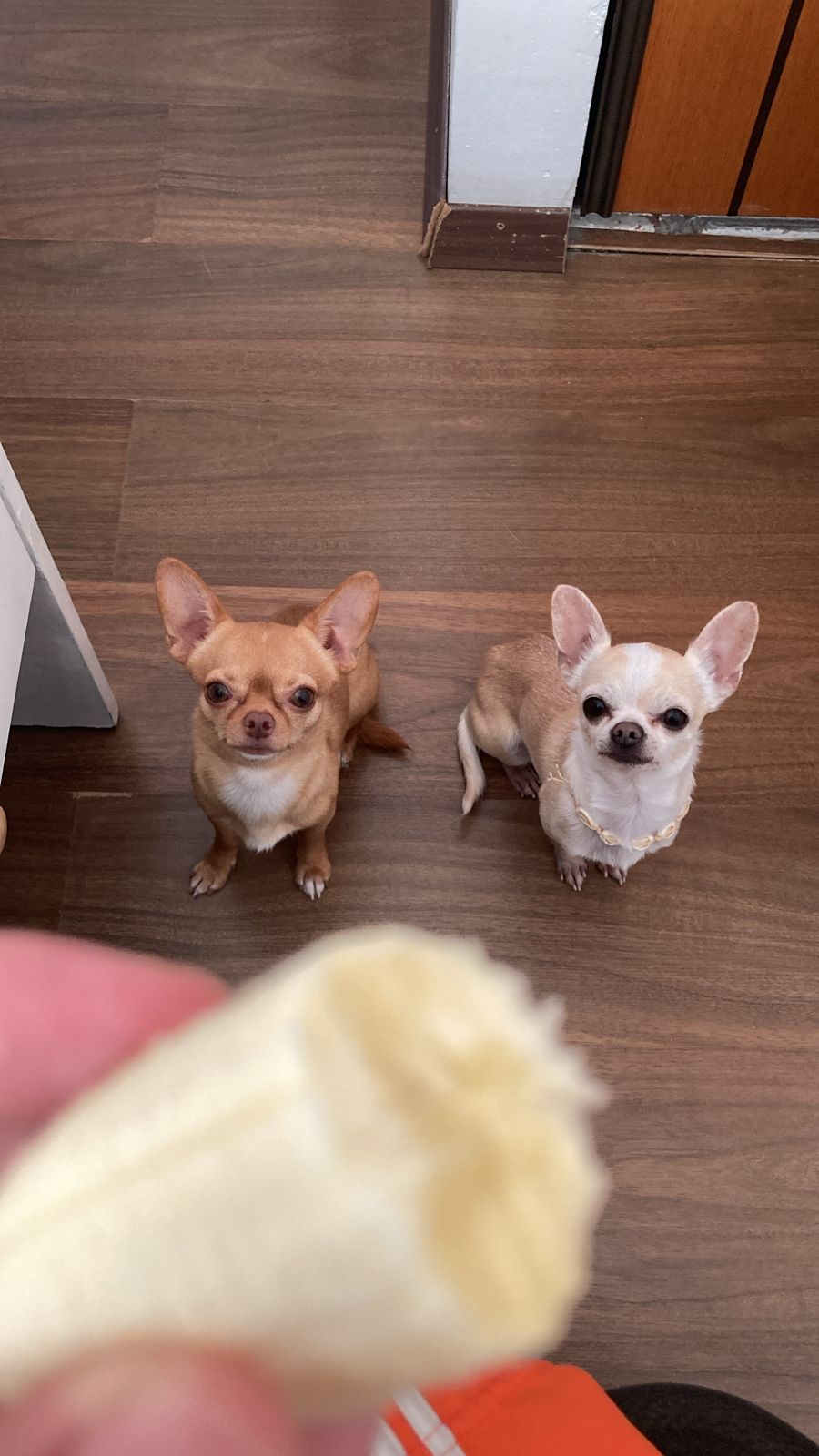
A Chihuahua not eating is one of the most frequent worries owners write to us about, and one of the most distressing. The honest answer is that it depends: sometimes it’s a one-day sulk, sometimes a dental problem that has been building for weeks, and sometimes the visible tip of a real illness. Knowing how to tell them apart is the difference between breathing easy and grabbing the car keys for the vet.
In this guide you’ll find the real reasons a Chihuahua refuses its food, how to separate a fussy mood from genuine illness, a step-by-step protocol for the first 24 hours, and a warning about fasting hypoglycemia, because in this breed, not eating has consequences far faster than in a big dog.
This article is informational and does not replace veterinary advice.
Why skipping meals is more serious in a Chihuahua than a Labrador
A healthy Labrador can go a day without a bite and be fine. A Chihuahua can’t. They have a fast metabolism, a tiny stomach, a very low body-fat percentage and limited glucose reserves. As the hours without food pile up, blood sugar starts to drop and the risk of fasting hypoglycemia appears, even more so in puppies, adults under 4.5 pounds, and seniors.
In plain words: a Chihuahua that has gone more than 24 hours without food isn’t “a fussy dog,” it’s a dog at risk. Hold on to that number: 24 hours.
Veterinary warning: a Chihuahua that does not eat for 24 hours straight is an emergency, not a whim. The real risk is hypoglycemia and dehydration, not that “it’ll be hungry later.” If apathy, trembling or wobbling is added on top, do not wait, go to the vet.
The 10 real reasons it refuses food
Let’s get to it. When a Chihuahua won’t eat, we almost always land on one of these ten situations.
- Change of brand or flavor. The most common and most underrated cause. You switch bags, recipe or even batch and your dog won’t accept it. Its nose catches nuances yours misses.
- Food fussiness. You’ve given grilled chicken for two weeks and now the kibble tastes like cardboard. This one is fixable.
- Dental problem. Tartar, gingivitis, loose teeth, a cracked fang. If chewing hurts, dry food is the first thing it rejects. Very common in the breed, and the MSD Veterinary Manual’s section on mouth disorders in dogs lists reluctance to eat among the classic signs of dental pain.
- Gastritis or digestive upset. A recent vomit, something odd eaten, too many treats, a badly done food change.
- Intestinal parasites. In puppies or undewormed adults. They cause intermittent loss of appetite, a swollen belly and odd stools.
- Emotional stress. A move, home renovations, a new family member, a separation. Chihuahuas are very sensitive and express it at the food bowl.
- Systemic illness. Kidney, liver, heart or endocrine problems. The refusal doesn’t come alone: there’s apathy, changes in thirst, urine or coat.
- Excessive heat. In summer they eat less during the hottest hours. It corrects itself as the temperature drops.
- Medications. Antibiotics, anti-inflammatories, dewormers. Some cause nausea and the dog associates eating with feeling unwell.
- Old age. Seniors change their appetite: less quantity, more frequent meals, more selective. Not a whim, just biology.
Table of causes by severity
| Cause | Severity | Signs that come with it | What to do |
|---|---|---|---|
| Food fussiness | Low | Eats treats, jumps, plays, only refuses the kibble | Remove bowl after 20 min, offer no human food, retry next meal |
| Change of brand/flavor | Low | Sniffs and walks off, eats if mixed with old food | Gradual 7-day transition |
| Heat / off day | Low | Hot environment, brief stress, eats at night | Offer in cool hours, fresh water, wait 24 h |
| Dental problem | Medium | Bad breath, drooling, rejects dry but eats wet | Veterinary dental check |
| Gastritis / parasites | Medium | Vomiting, soft stools, swollen belly | Vet in 24-48 h, short fast only if advised |
| Medications | Medium | Coincides with ongoing treatment | Ask vet about adjustments or stomach protectants |
| Emotional stress | Medium | Recent home changes, hiding, less play | Routine, patience, behavior work if it persists |
| Systemic illness | High | Apathy, weight changes, thirst, odd urine | Vet without delay |
| Fasting hypoglycemia | Urgent | Trembling, wobbling, blank stare | Honey on the gums and emergency vet |
| Poisoning | Urgent | Has eaten something suspicious, vomiting, drooling | Immediate emergency vet |
That table is your compass. If you tick a cell in the last two rows, there’s nothing to discuss: vet, now.
How do I tell it apart from a fussy mood?
This is the question I get most by private message. Four signs separate food fussiness from real illness.
- General state. A fussy Chihuahua plays, jumps, wags and gives you the “not today, thanks” face. A sick one is dim, seeks corners, doesn’t respond as usual.
- Accepts tasty treats. If it refuses kibble but lunges for cooked chicken or its usual treat, it’s fussiness or dental discomfort. If it refuses treats too, the cause is more serious.
- Other symptoms. Vomiting, diarrhea, trembling, apathy, drinking a lot or not at all, very dark or very pale urine, pale gums. Any of these changes the picture.
- Duration. One skipped meal means nothing. Two in a row is a warning. Past 24 hours without food, it is an emergency.
How long can a Chihuahua go without eating?
The prudent answer, tuned to this breed:
- Puppy under 6 months: 6 to 8 hours maximum. After that, real risk of hypoglycemia.
- Healthy adult of 4.5 to 6.5 lb: can manage 12 to 18 hours without serious consequences if all else is fine. Past 24 hours, vet.
- Adult under 4.5 lb or senior: the margin shrinks. Do not exceed 12 to 18 hours without anything.
- Sick, recovering or medicated: any skipped meal gets checked with your vet first.
Water is separate and stricter. If it stops drinking for more than 12 to 24 hours, that’s a warning sign on its own; our piece on a Chihuahua drinking too much water covers the opposite end of the same problem.
Step-by-step protocol: 24 hours without a bite
If your Chihuahua has refused a meal, before panicking, do this, in order.
- Observe its general state. Playing, walking fine, breathing normal, pink gums? Note any symptoms.
- Check the bowl and the food. Expired bag, wet food, odd smell, a cracked piece that pokes. The cause is often right there.
- Look in the mouth if it lets you. Red gums, strong bad breath, a loose tooth or a foreign object between the molars explains a lot.
- Remove the bowl after 20 minutes. Do not leave it out all morning; that reinforces fussiness.
- Offer the next meal as usual, with no added chicken or cheese or tricks. Just its regular food.
- If it refuses the second meal, moisten the kibble with warm water or a little homemade chicken broth (no salt, onion or garlic).
- Measure the time since the last solid meal. If it nears 24 hours, call the vet. Do not wait “in case it eats tonight.”
- Watch the water. If it’s not drinking either, the alert goes up a level.
- Puppies, dogs under 4.5 lb or seniors: halve all these timeframes.
- At any trembling, wobbling or blank stare, honey or syrup on the gum and the vet immediately.
What NOT to do when your Chihuahua won’t eat
- Do not force it by prying the mouth open. It increases refusal and can cause vomiting or aspiration.
- Do not just hand over human food. You teach it that refusing the dog food earns a prize, and you may give it something toxic by accident. Keep the ASPCA Animal Poison Control Center number handy before you improvise with anything off your own plate.
- Do not switch brands abruptly. You guarantee diarrhea, gastritis and confusion.
- Do not punish or shout at the bowl. It will link eating with tension.
- Do not apply “leave it hungry until it eats.” Not in a Chihuahua: the long fast is the problem itself.
- Do not medicate on your own with old prescriptions or human drugs.
When to call the vet without hesitation
- It has gone 24 hours or more without a bite.
- The not-eating is joined by vomiting, diarrhea, apathy, fever or trembling.
- It is a puppy, a very small adult, or a senior Chihuahua with repeated refusal.
- It will not drink water, or drinks far more than normal.
- You see pale, bluish or yellowish gums.
- You suspect it ate something it should not have.
- The refusal repeats several days in a row even if it eats a little each time.
Safe tricks to recover the appetite
If the vet has ruled out anything serious and it’s a passing dip, these work and do no harm:
- Moisten the food with warm water or homemade chicken broth (no salt, garlic or onion). The smell rises and it gets more appetizing.
- Offer smaller portions in more meals. In sensitive Chihuahuas, three or four meals work better.
- Warm the food a few seconds. Lukewarm releases more aroma; hot, never.
- Try wet food mixed with the kibble, a teaspoon, no more.
- Eat in a calm setting, no noise, other dogs or onlookers.
- Keep stable schedules. A Chihuahua’s stomach is a clock.
- Always make brand changes gradual, over 7 days. The WSAVA global nutrition guidelines treat a nutritional assessment as a routine part of every check-up, so bring the food change up with your vet rather than handling it alone.
- Annual dental check. A mouth problem is the most common silent cause of chronic appetite loss; our guide to Chihuahua bad breath helps you spot it early.
The story of Romeo and Lorenzo
With Romeo, cream, senior and apple head, we had a scare last winter. He started leaving half his food and eating only the chicken treat. I thought it was fussiness, but something was off: he was quieter, slept more, his breath was stronger than usual. By the third day, vet. The result: advanced gingivitis, two teeth to treat and a dental cleaning. As soon as they took away the pain, he ate like always. In a senior Chihuahua, refusing food is almost always discomfort, not stubbornness.
With Lorenzo, fawn, young and also apple head, it was a different story. I switched brands without the transition I myself recommend: I came home one Sunday with a new bag and let the rush win. Three days without touching the food and a lot of drama. I went back to the old food, did the transition properly, and within a week all was normal. Fussiness is real, but very often we humans teach it without meaning to.
To close
A Chihuahua that doesn’t want to eat is not always a crisis, but it’s never just a detail. Observe, rule out the simple things, respect the timing of its metabolism, and do not normalize 24 hours without food. Better one extra call to the vet than one too few. If you want to go further, you have the full guide on what Chihuahuas eat and the piece on why Chihuahuas shake to understand hypoglycemia.
Written by Belen Salto, who shares her life with Romeo and Lorenzo, two Chihuahuas. · Ver en español