
Chihuahua Drinking Too Much Water: Normal or Not?
Is your Chihuahua drinking too much water? Learn how much is normal by weight, the warning signs of excessive thirst and the conditions it can point to.
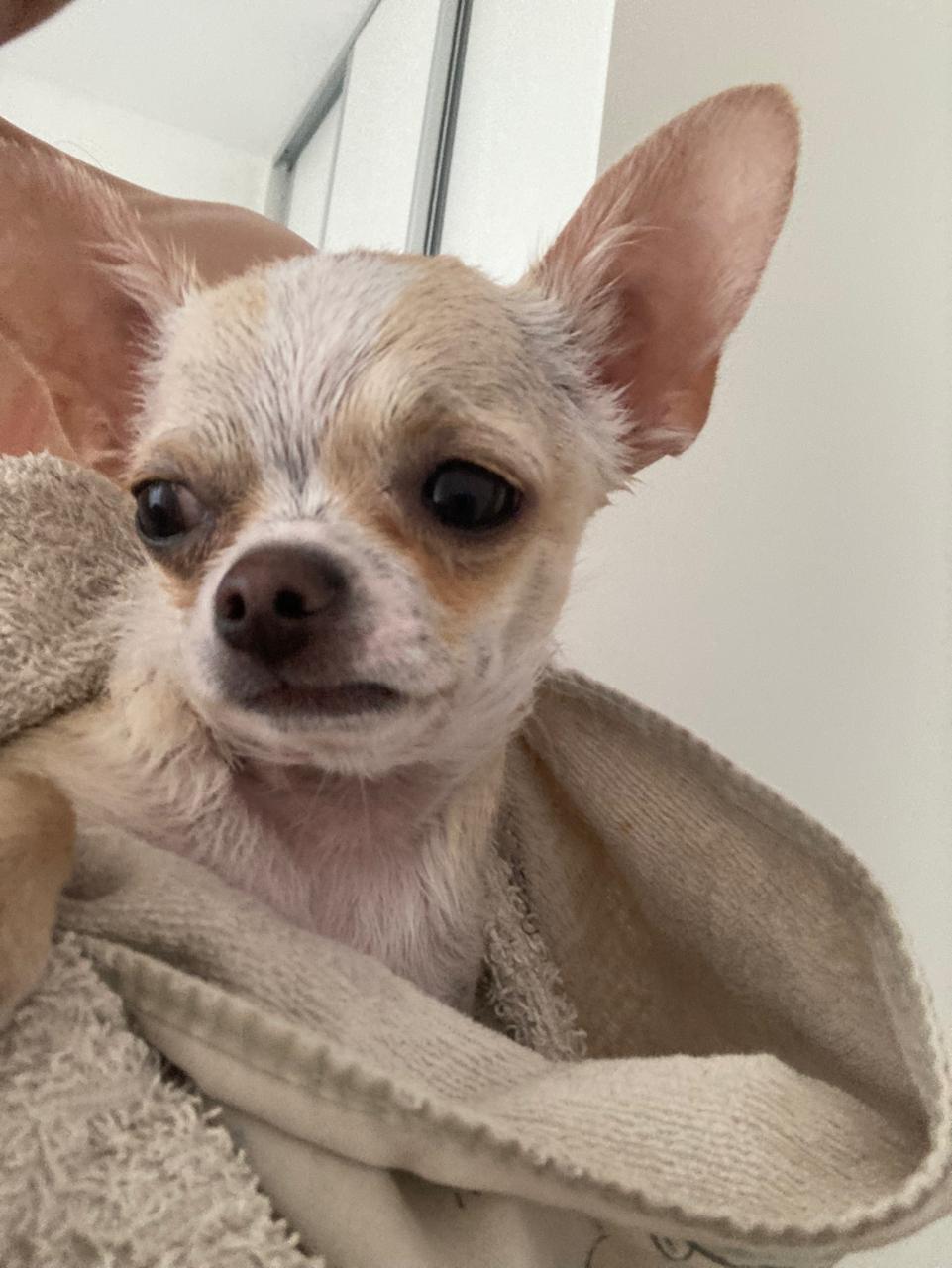
A Chihuahua drinking a lot of water and you wondering if it’s normal is one of the most common questions we get. When such a small dog empties the water bowl two or three times a day, the worry comes fast. The good news is that there’s often a simple explanation. The less good news is that sometimes it’s the first sign of something the vet should check sooner rather than later.
In this article we go over how much water they should drink by weight, which causes harmlessly raise their intake, which diseases come with canine polydipsia, and how to measure at home whether your dog drinks too much water or it only seems that way.
What “Drinking a Lot” Means in Such a Small Dog
A Chihuahua is not a Labrador or a German Shepherd. Their body weighs little, their kidneys are tiny, and their water needs are very different from a large dog’s. Before you panic, it helps to know what real excessive thirst is and what is just a hot day or a dinner with drier food than usual.
The standard veterinary reference, the kind you’ll find in clinical texts like the MSD Veterinary Manual, is between 0.75 and 1.5 fl oz per pound of body weight per day. In a healthy adult Chihuahua, that’s a small amount, easy to measure if you know how. When intake doubles for no reason over several days in a row, we enter polydipsia territory, and that’s when it pays to take notice.
How Much Water Should a Chihuahua Drink Per Day?
The question we get asked most. Let’s go straight to a guideline table for a healthy Chihuahua, at rest, at a comfortable temperature, fed quality dry food.
| Weight | Normal intake | Elevated intake | Possible polydipsia |
|---|---|---|---|
| 3.3 lb (1.5 kg) | 2.5–4.5 fl oz/day | 4.5–6 fl oz/day | More than 6 fl oz/day |
| 4.4 lb (2 kg) | 3.5–5.5 fl oz/day | 5.5–8 fl oz/day | More than 8 fl oz/day |
| 5.5 lb (2.5 kg) | 4–7 fl oz/day | 7–10 fl oz/day | More than 10 fl oz/day |
| 6.6 lb (3 kg) | 5–8.5 fl oz/day | 8.5–12 fl oz/day | More than 12 fl oz/day |
If your 2-kilo Chihuahua drinks half a liter a day consistently, it is not a quirk: it is a symptom worth a vet visit, and not for tomorrow, for this week.
Factors That Raise Intake Without Disease
Before fearing the worst, run through this list. Most of the time, the explanation is here:
- Hot weather: in summer they may drink double with nothing wrong.
- Intense exercise or play: after a long trip to the park, the extra bowl is normal.
- Dry vs wet diet: dry food holds 8-10% water; a can reaches 75-80%. Switching from wet to dry sends water intake soaring.
- Salty food or broth scraps: ham or cheese trigger thirst.
- Lactation, pregnancy, or heat: hormonal changes that raise intake.
- Medications: diuretics, corticosteroids, or anti-epileptics cause excessive thirst in a small dog as a side effect.
In these cases, the increase is temporary and disappears with the cause.
When Is Drinking a Lot a Warning Sign?
Now, the part that interests us most. Several diseases share an early symptom: the dog drinks nonstop. Most of them fall under internal medicine, the field covered by the specialists certified by the American College of Veterinary Internal Medicine, which is why a good workup usually starts with bloodwork rather than guesswork. If you recognize your Chihuahua in more than one of the scenarios below, book an appointment without overthinking.
1. Diabetes Mellitus
Canine diabetes appears more in older dogs, those overweight, or intact females of a certain age. The pancreas stops producing insulin, glucose builds up in the blood and is eliminated through urine, dragging fluids with it. The result: lots of thirst and lots of peeing. It usually comes with weight loss despite a good appetite, a dull coat, cataracts, and quick tiring.
2. Chronic Kidney Failure
This is probably the organ that fails earliest in a senior Chihuahua. When the kidneys stop filtering well, the body asks for more water to compensate. The dog drinks nonstop and pees in large volumes. It usually comes with loss of appetite, slow weight loss, uremic breath, and occasional vomiting.
3. Cushing’s Syndrome
Cushing’s is an excess of cortisol from the adrenal glands. Not rare from 8-10 years old. An easy triad to remember: lots of thirst, lots of peeing, lots of hunger. Add a sagging belly, thinning fur on the back, thin skin, and frequent panting.
4. Diabetes Insipidus
Nothing to do with mellitus. The hormone that concentrates urine fails, the dog passes liters of nearly clear pee and drinks without rest. Uncommon, but it exists.
5. Urinary Infection
It can make them drink more due to discomfort and a constant urge to pee. It usually comes with small, frequent pees, sometimes with drops of blood, and genital licking.
6. Pyometra
Exclusive to unspayed females, a few weeks after heat. An infection of the uterus with lots of thirst, a swollen abdomen, lethargy, and vaginal discharge. It is a veterinary emergency. Do not wait until the next day.
7. Other Less Frequent Causes
Some tumors, hormonal imbalances, and liver problems can also raise intake. They’re not the first suspects, but they are part of the range the vet rules out with basic bloodwork.
Symptoms You Should Never Ignore
Alongside heavy thirst, these signs mean don’t wait:
- Excessive urination (polyuria): peeing far more often, or puddles where there were none.
- Weight loss without changing the food.
- Lethargy: sleeps more, plays less.
- Vomiting repeatedly or diarrhea.
- Appetite changes: spikes or shuts off.
- Strange breath, sweetish (possible diabetes) or uremic (possible kidney problem).
- Pale, very red, or spotted gums.
- A swollen or painful abdomen when touched.
A Chihuahua may shake when they feel generally unwell, and tremors are worth interpreting correctly. Our article on why does my Chihuahua shake while sleeping explains how trembling often accompanies a larger picture.
How to Measure at Home How Much Water Your Chihuahua Drinks
Before calling the vet in a panic, here is a trick we always use at home that saves many consultations. All you need is a water bowl and a marker.
- Fill the bowl with a specific amount, always the same (for example, 10 fl oz with a measuring cup).
- Mark the level with a marker or tape on the outside of the container.
- For three days in a row, note when you refill and how much you add.
- If they live with another dog or cat, make sure each one has a separate bowl.
- At the end of the day, calculate how much the water dropped: that is the amount they drank.
With three days of logging you’ll have a far more reliable average than “I think they drink a ton.” At the clinic, that data is gold for the vet.
What About the Diet-Water Relationship?
A huge part of intake depends on what they eat. If you just switched brands, moved from cans to kibble, or they sleep near the radiator, the water they drink will rise with nothing wrong.
That’s why we insist on reviewing the diet before getting alarmed, and why the WSAVA global nutrition guidelines put a nutritional assessment into every routine check-up. In our guide to what Chihuahuas eat we explain how many ounces of food per pound of body weight are correct and how to transition without diarrhea. And if you just adopted a puppy, our Chihuahua puppy care guide will help you measure their water from day one.
How to Improve Water Access at Home
Sometimes the problem is not how much they drink, but how. A poorly placed bowl or one made of the wrong material means that when they finally use it, they gulp it down. Our basic rules:
- Material: ceramic or stainless steel. Avoid plastic.
- Size: low and stable, with no high edges forcing them to stretch their neck.
- Location: away from the food bowl and the cat’s litter box.
- Renewal: fresh water at least once a day, twice in summer.
- Multiple points: if there’s more than one floor, put a bowl per zone.
- Moving fountains: if they drink more from a fountain than a dish, go for it.
- Filtered tap water: works perfectly. Avoid mineralized water daily.
When to See the Vet Without Hesitation
Book an appointment (and an emergency one if needed) in these situations:
- More than three days in a row drinking above the normal range.
- Intake that doubles your dog’s usual amount.
- Lots of thirst + lots of peeing + weight loss.
- Lots of thirst + vomiting + lethargy.
- An unspayed female with heavy thirst after heat.
- A puppy that suddenly drinks double and seems listless.
- Strange breath, abnormal gums, or a swollen abdomen.
In such a small animal, dehydration arrives fast. Better one consultation too many than one too few.
The Story at Home: Romeo and His Water Bowl
With Romeo, our cream apple-head Chihuahua, we learned this the hard way. He is over ten and two summers ago we noticed his bowl was emptying at a strange rate. We thought it was the heat, it was July. But in September he was still drinking the same. The three-day marker trick: 9.5 fl oz a day, double what his weight called for.
Off to the vet. Bloodwork, ultrasound, and an early diagnosis of mild kidney failure, controllable with diet and check-ups every six months. Today Romeo is still calm in his bed. If we had not measured the water in time, the diagnosis would have come too late.
Lorenzo Pablito, our fawn apple-head, is the opposite: young, energetic, in summer he drinks his fair share after every game. His rhythm is nothing like Romeo’s. Two dogs, two patterns, two kinds of watchfulness. Knowing each one is half the work.
In Short
- A healthy adult drinks between 0.75 and 1.5 fl oz per pound of body weight per day.
- Intake rises with heat, exercise, lactation, and dry diet: that is normal.
- If they consistently drink more than double, we’re talking about polydipsia and it’s time to investigate.
- Causes to rule out: diabetes, kidney failure, Cushing’s, diabetes insipidus, urinary infection, pyometra.
- Measure the water for three days before consulting.
- Review food, bowl, and location.
- With accompanying symptoms, do not wait.
This article is informational and does not replace veterinary advice. A licensed vet is the only person qualified to diagnose and treat your dog. If you suspect your Chihuahua drinks too much, book an appointment without delay.
Written by Belen Salto, who shares her life with Romeo and Lorenzo, two Chihuahuas. · Ver en español