
Pimobendan for Dogs (Vetmedin): Uses, Dosage & When It's Prescribed
Pimobendan for dogs (Vetmedin): what it is, how it helps the heart, typical dosage, side effects, cost and when vets prescribe it. Vet-reviewed guide.
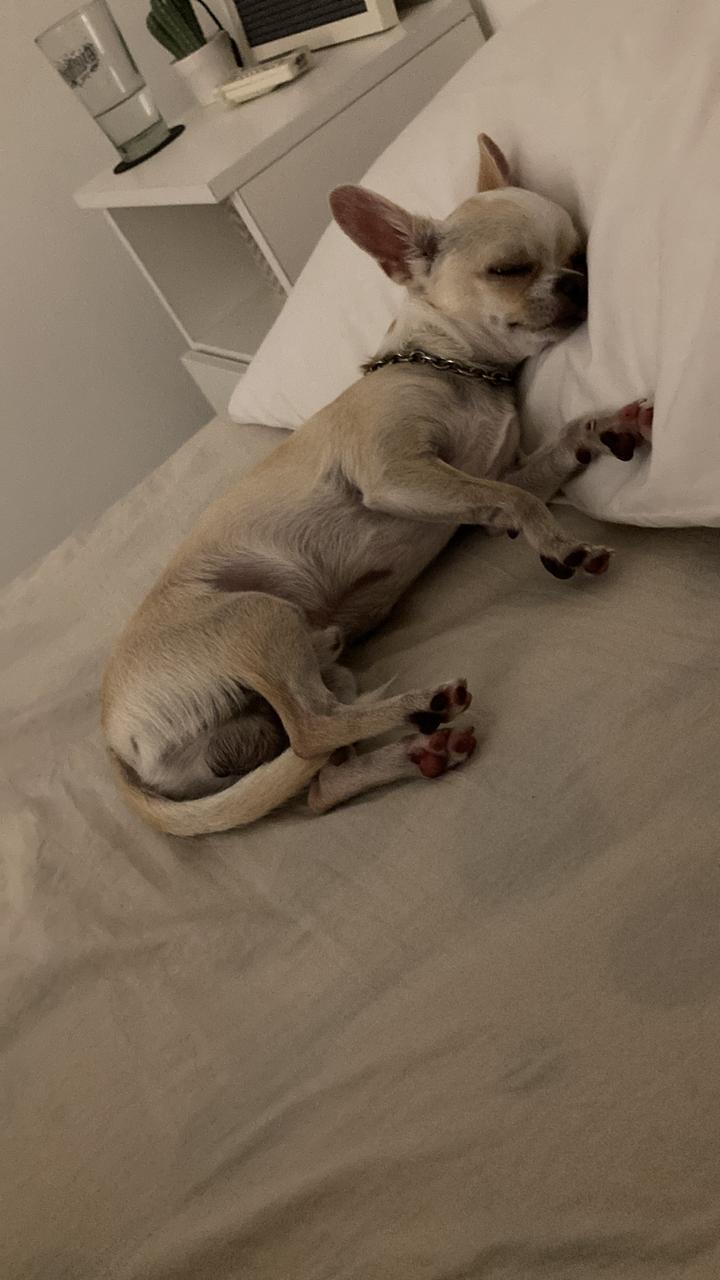
If your vet just prescribed pimobendan or Vetmedin for your dog, the most likely reason is congestive heart failure or degenerative mitral valve disease. It is the most commonly prescribed cardiac medication for small dogs, and almost always the first thing a worried owner types into Google on the drive home from the clinic.
Let’s keep this clear and complete: what pimobendan is, what it actually does, when it’s used, typical dosages, the real side effects, and what it costs. No unnecessary jargon, but everything you need to understand what your dog is being given.
This article is informational and does not replace veterinary advice. Pimobendan is never something you start, stop, or adjust on your own. A healthy dog given pimobendan can actually decompensate. Only your veterinarian decides when to begin, at what dose, and for how long.
What Exactly Is Pimobendan?
Pimobendan is a cardiac drug from the family of positive inotropes. It is used exclusively in veterinary medicine (not in people) and has been approved for dogs since the 1990s.
Its best-known brand name is Vetmedin (made by Boehringer Ingelheim), but the same active ingredient is sold under several other names:
- Cardisure (Dechra)
- Pimocard (Le Vet)
- Pimobenpet, Pimotab, Pimopet and various generics
They all contain the identical active ingredient: pimobendan.
What Does Pimobendan Do for a Dog’s Heart?
Vets prescribe pimobendan to dogs with heart disease, mainly:
- Degenerative mitral valve disease (by far the most common, especially in small breeds; the MSD Veterinary Manual’s overview of canine heart and blood vessel disorders describes chronic valve disease as the leading acquired heart problem in dogs)
- Congestive heart failure
- Dilated cardiomyopathy (more frequent in large breeds like Dobermans and Great Danes)
It does two things at once:
- Increases the force with which the heart pumps blood without speeding it up (the positive inotropic effect). The heart works better with less effort.
- Dilates the blood vessels (a vasodilator), reducing the resistance the heart has to push against.
The result: the heart tires less, and blood reaches the rest of the body more efficiently.
How Many Extra Months of Life Does Pimobendan Give a Dog?
This is the question owners ask most often after a diagnosis, and it has solid scientific backing.
The landmark EPIC study (2016), one of the most important trials in veterinary cardiology, showed that pimobendan delays the onset of congestive heart failure by roughly 9 to 18 months in dogs with stage B2 mitral valve disease (no symptoms yet, but an enlarged heart).
In dogs that are already in heart failure, pimobendan adds about 6 months to 2 years of quality life compared with treatments that don’t include it.
In plain terms: if your Chihuahua is diagnosed with heart disease at 11 and you start pimobendan in time, that dog may comfortably reach 14 or 15. Small breeds like the Chihuahua are especially prone to heart issues in old age, which is why this medication matters so much for them.
Typical Pimobendan Dosage in Dogs
This is for reference only. The exact dose is decided by your vet based on weight, severity, and other medications.
| Dog’s weight | Typical dose (every 12 hours) |
|---|---|
| 3 - 7 lb (Chihuahua) | 1.25 mg every 12 h |
| 7 - 11 lb | 2.5 mg every 12 h |
| 11 - 22 lb | 2.5 - 5 mg every 12 h |
| 22 - 44 lb | 5 - 10 mg every 12 h |
| 44 - 66 lb | 10 mg every 12 h |
How it’s given:
- By mouth, as chewable tablets or capsules
- Twice a day (morning and night, about 12 hours apart)
- On an empty stomach ideally, at least one hour before food
- Lifelong treatment once started. It is NOT stopped without consulting your vet.
The chewable tablets are meat-flavored, and most dogs take them without a fight. If your dog refuses, you can hide the tablet in a piece of low-sodium cheese, a dab of paté, or a pill pocket.
Pimobendan Alongside Other Heart Medications
It’s rarely prescribed alone. Vets usually combine it with:
- ACE inhibitors (benazepril, enalapril) to protect the heart long term
- Diuretics (furosemide, torasemide) to clear fluid when there’s congestion
- Spironolactone for kidney protection in advanced heart disease
- Sildenafil if there’s pulmonary hypertension
The typical “cocktail” for a senior Chihuahua in heart failure is pimobendan + benazepril + furosemide. With that combination, quality of life is usually very good.
Side Effects of Pimobendan
In general, pimobendan is very well tolerated, which is one reason it’s used so widely. Reported side effects are infrequent and mild:
- Temporary loss of appetite in the first few days
- Occasional vomiting or diarrhea (in roughly 5-10% of cases)
- Lethargy during the first days as the body adjusts
- Increased thirst and urination (more common when paired with diuretics)
Serious but rare effects:
- Cardiac arrhythmias (especially if there’s a misdiagnosed underlying heart condition)
- Allergic reactions (rare)
If you see frequent vomiting, extreme weakness, fainting, or breathing difficulty, stop and call your vet immediately.
How Much Does Pimobendan / Vetmedin Cost?
Price varies by brand and region. Vetmedin (the original) is the most expensive; generics like Pimocard or Pimopet are significantly cheaper with the same effectiveness.
| Vetmedin (per month) | Generic (per month) | |
|---|---|---|
| United States | $60 - $150 | $30 - $70 |
| Canada | CAD 80 - 200 | CAD 40 - 90 |
| United Kingdom | GBP 35 - 70 | GBP 15 - 30 |
Note: generics work exactly the same as brand-name Vetmedin because the active ingredient is identical. If the price of original Vetmedin is straining your budget, ask your vet to prescribe a quality generic.
Does Pimobendan Have Contraindications?
Yes. It should not be used in these cases:
- Severe aortic stenosis (it would dangerously overwork the heart)
- Hypertrophic cardiomyopathy (it would thicken the muscle further)
- Suspected heart disease without a clear diagnosis
That’s why it’s essential that before starting pimobendan, your dog has:
- A complete auscultation (listening to the heart)
- An echocardiogram confirming mitral valve disease
- An electrocardiogram if there are arrhythmias
- Bloodwork including kidney function and NT-proBNP
If your vet prescribed it based on auscultation alone, with no echo, ask for an ultrasound before starting. That’s the test that distinguishes valve disease (where pimobendan helps) from hypertrophic disease (where it doesn’t).
When Should Pimobendan Be Started?
This is the million-dollar question. Historically it was given only once symptoms appeared (congestive heart failure). But the 2016 EPIC study changed the guidelines: today vets recommend starting earlier, in stage B2, when the heart is already enlarged but the dog still has no symptoms.
The four stages of mitral valve disease (the staging system published by the American College of Veterinary Internal Medicine, or ACVIM):
- Stage A: predisposed but no disease. No treatment.
- Stage B1: audible murmur but a normal-sized heart. No treatment yet.
- Stage B2: murmur plus an enlarged heart on echo or X-ray. This is where pimobendan begins.
- Stage C: congestive heart failure with obvious symptoms. Pimobendan + diuretics + ACE inhibitors.
- Stage D: failure that no longer responds to standard treatment. Palliative care.
If your vet says “it’s not time yet,” they’re following the guidelines. If they say “let’s start pimobendan early,” that’s also guideline-based; it depends on the echo.
A Note on Romeo and Lorenzo
Romeo Carlitos and Lorenzo Pablito are still young, and neither takes pimobendan. But thinking about this now changes how we care for them: a cardiac check every six months from age 8, keeping them at a healthy weight, and avoiding excess sodium. When the day comes (and in Chihuahuas, the heart is the great unfinished business of old age), it won’t take us by surprise.
If your Chihuahua is 10 or older and the heart worries you, our full guide to senior Chihuahua care covers how to adjust their routine. And if you’re noticing other changes, our piece on why Chihuahuas shake explains when trembling is harmless and when it’s worth a vet visit.
A Chihuahua’s heart beats faster than yours, beats stronger, and lasts more years than you’d expect. Look after every one of those years.
Written by Belen Salto, who shares her life with Romeo and Lorenzo, two Chihuahuas. · Ver en español