
Are Chihuahuas From Mexico? The Name and Origin Story
Are Chihuahuas from Mexico? Yes, the breed is named after a Mexican state. Discover the origin story, the ancient Techichi link and what it all means.
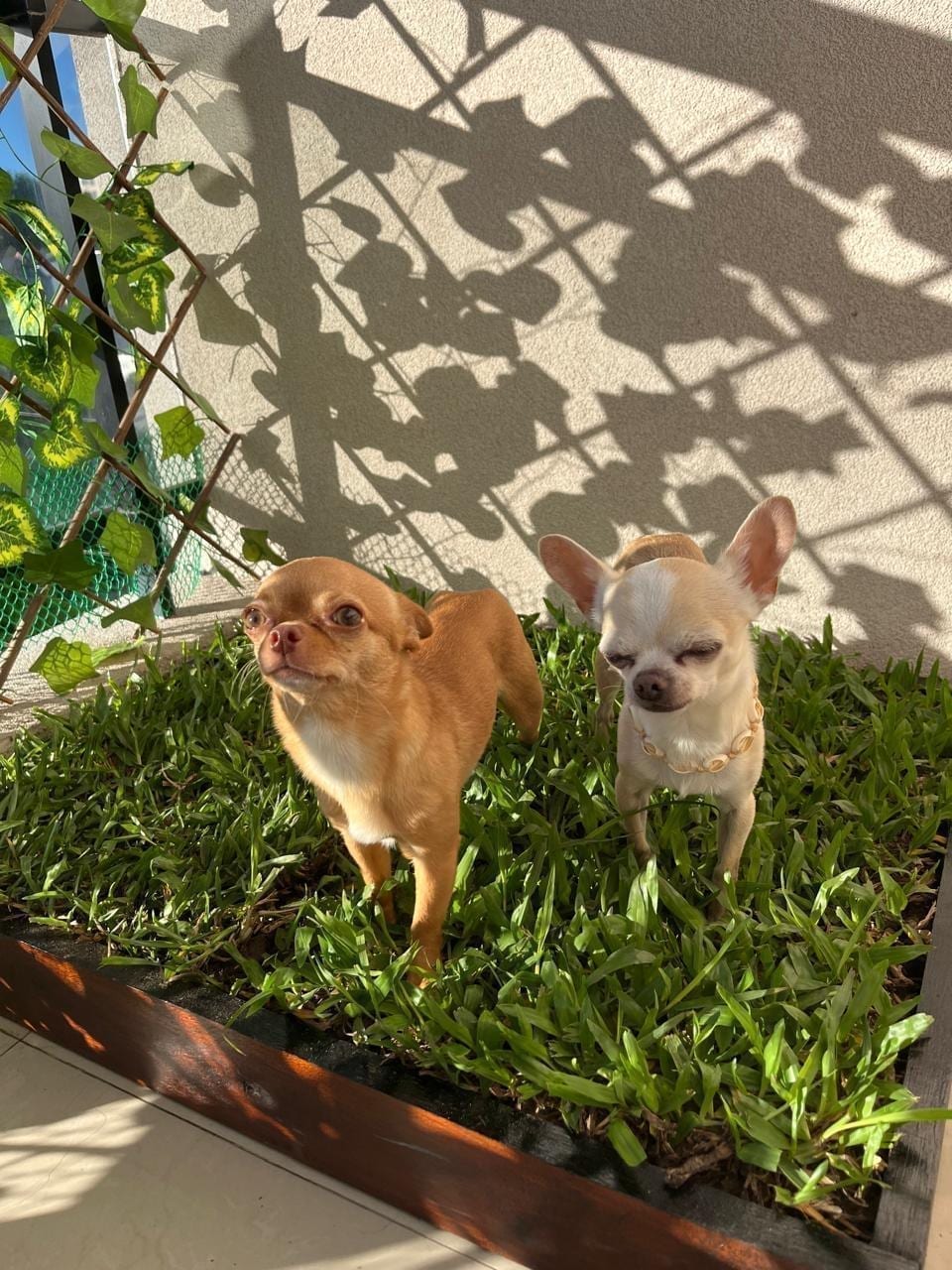
Are Chihuahuas from Mexico? Yes, and not loosely: the Chihuahua is the only dog breed truly native to Mexico, and it carries the name of a Mexican state on the northern border with the United States. The breed that conquered the entire world took with it the name of a desert region most people outside Mexico couldn’t find on a map. The full story connects a modern toy dog to a pre-Columbian animal called the Techichi, and it’s worth knowing.
If you have a Chihuahua at home, or you’re simply curious where this tiny dog with the enormous personality comes from, this article clears up the origin of the name, the link to that ancient dog, and why Mexicans have a special word for it that the rest of the world doesn’t.
Where Does the Name “Chihuahua” Come From?
The name comes directly from the state of Chihuahua, in northern Mexico. The state is the largest in the country, partly desert, with a long ranching and mining tradition. The breed became popular there during the 19th century, and the American breeders who “discovered” it in those areas named the dog after the place. That’s how the Chihuahua was born, officially, as a recognized breed.
In Mexico, where pride in the dog’s origin runs deep, the breed is sometimes affectionately called “chihuaeño,” a word that emphasizes the territorial connection: this dog is ours, it comes from here, it carries the name of one of our states. Outside Mexico, that term is essentially unknown; the dog is simply the Chihuahua.
What Is the True Origin of the Chihuahua?
The Chihuahua’s history doesn’t begin in the 19th century but much earlier. Archaeological traces and the accounts of the first Spanish conquistadors suggest that a small, compact dog lived among the pre-Columbian civilizations of Mesoamerica for at least a thousand years, possibly longer. That ancestor was called the Techichi.
The Techichi wasn’t exactly like the modern Chihuahua, but it shared key traits: small size, a rounded head, erect ears, and a ceremonial role within the cultures that raised it. The Toltecs and later the Aztecs considered it an animal of spiritual value, not just a companion.
When the Spanish conquistadors arrived in the 16th century, the Techichi was already part of the Mexican domestic landscape. Over time, this ancient breed mixed with small dogs brought from Europe and Asia, giving rise to the Chihuahua we know today. If you want the full sweep of that journey, our complete Chihuahua history walks through how each culture added something to the breed.
The Techichi: The Pre-Columbian Ancestor of the Chihuahua
The Techichi was far more than a pet to the Toltec and Aztec peoples. They raised it for several very specific purposes:
- Spiritual companionship: it was believed the dog’s soul accompanied the human soul on its journey to the underworld after death. That’s why archaeologists find Techichi remains buried alongside their owners.
- Sacred animal: in certain rituals it held a ceremonial role, associated with fire and the sun.
- Source of warmth: because of its compact size and tendency to seek physical contact, these dogs were used as living “heaters” on cold nights in the highlands.
- Ceremonial food: uncomfortable as it is to say from a modern viewpoint, in some cultures its meat was also consumed in very specific ritual contexts.
What’s clear is that the Techichi had a close relationship with humans long before the modern concepts of “breed” or “companion dog” even existed. That ancestral connection is part of what makes the Chihuahua so unique.
Why Does Only Mexico Have a Special Word for It?
The short answer: national identity. The Chihuahua is the only dog breed native to Mexico, and that creates a natural pride. Using a special term rather than just “Chihuahua” emphasizes the territorial bond.
In the rest of the world, the breed arrived as an export. The United States was the first country to register it officially with the AKC (American Kennel Club) in the late 19th century. From there it spread to Europe, South America, and Asia. In all those places, the name that traveled was “Chihuahua,” nothing more.
| Country / region | What they call it |
|---|---|
| Mexico | Chihuahua (affectionately “chihuaeño”) |
| United States | Chihuahua (sometimes spelled “Chiwawa” casually) |
| United Kingdom | Chihuahua |
| Spain | Chihuahua |
| France | Chihuahua |
| Brazil | Chihuahua |
Is There Any Difference Between a “Mexican” Chihuahua and Any Other?
No. It is exactly the same breed, with the same standards, the same physical traits, and the same behavior, no matter where it’s born. A Chihuahua can have an apple head or a deer head, a short or long coat, and come in cream, fawn, chocolate, black, or any combination. Everything that applies to a Chihuahua anywhere applies to one born in Mexico, because there’s no separate breed.
If you’d like to know which types exist and how to tell them apart, our guide to the types of Chihuahua helps you recognize the differences between apple head and deer head, and between short and long coats. And to look past the “nervous little dog” stereotype, our piece on Chihuahua temperament explains what the breed is really like.
Chihuahua Facts Few People Know
- It’s the smallest breed in the world officially recognized by the FCI (Fédération Cynologique Internationale).
- It weighs between 3 and 6 pounds as an adult, with no official smaller variant (the “teacup” label is marketing, not a real category).
- It has a soft spot on the skull called a molera, similar to the soft spot on a human baby. It’s normal in puppies and in many adults.
- It lives 14 to 18 years with proper care, one of the longest lifespans of any breed.
- It dislikes the cold: because of its small size and minimal natural insulation, it needs clothing in cold climates.
- It tends to bond with one main person: though it can get along with the whole family, it often “chooses” a favorite human.
Why Does the Origin Matter?
Knowing your Chihuahua descends from a pre-Columbian breed, raised by Mesoamerican cultures for centuries, connects you to an extraordinary lineage. It isn’t “just a little dog”: it’s the direct descendant of the Techichi, an animal that accompanied the original peoples of Mexico through daily life, ceremony, and death.
This doesn’t change how you care for your dog, but it does change how you see it. Behind every Chihuahua lie thousands of years of history, migration, cultural blending, and human affection. Not many people can say the same about their pet.
Romeo, my older Chihuahua, has no idea he’s an heir of the Toltecs. He couldn’t care less; he’d rather take long naps and steal blankets. Lorenzo, the younger one, is equally oblivious, busy chasing his own tail. But when I look at them and think of them as descendants of that little sacred dog from a thousand years ago, everything takes on a bit more poetry. If you have one too, now you know something more about it. Tell your dog, even if it doesn’t understand; they love a long story told in a soft voice.
Written by Belen Salto, who shares her life with Romeo and Lorenzo, two Chihuahuas. · Ver en español